es
es fr
fr de
de nl
nl en
en it
it pt
pt ro
ro sv
sv ru
ru hr
hr da
da si
si pl
pl no
no cs
cs fi
fi el
el sr
srBuying a hot tub is a long-term investment in comfort, well-being, and quality of life. Whether you're looking for a Jacuzzi for sale , planning to buy Jacuzzi models for your home, or comparing a Jacuzzi for sale with used alternatives, choosing between a new and a used hot tub requires careful consideration.
While buying a used hot tub might seem like an initial saving, factors such as energy efficiency, maintenance, hygiene, warranty, and long-term reliability often make buying a new one a better investment. A rigid hot tub is the smarter investment. This guide explores the pros and cons of both options to help you make an informed decision.
Advantages of buying a new hot tub
A brand-new hot tub offers peace of mind, the latest technology, and years of reliable performance.
One of the main advantages is energy efficiency. Modern hot tubs are designed with advanced insulation systems, efficient pumps, and intelligent control systems that significantly reduce operating costs compared to older models.
Aquavia Spa , a European manufacturer with over 35 years of experience , develops high-end hot tubs designed and manufactured entirely in Europe. Their products combine innovative engineering, elegant design, and sustainable manufacturing practices to deliver exceptional performance and durability.
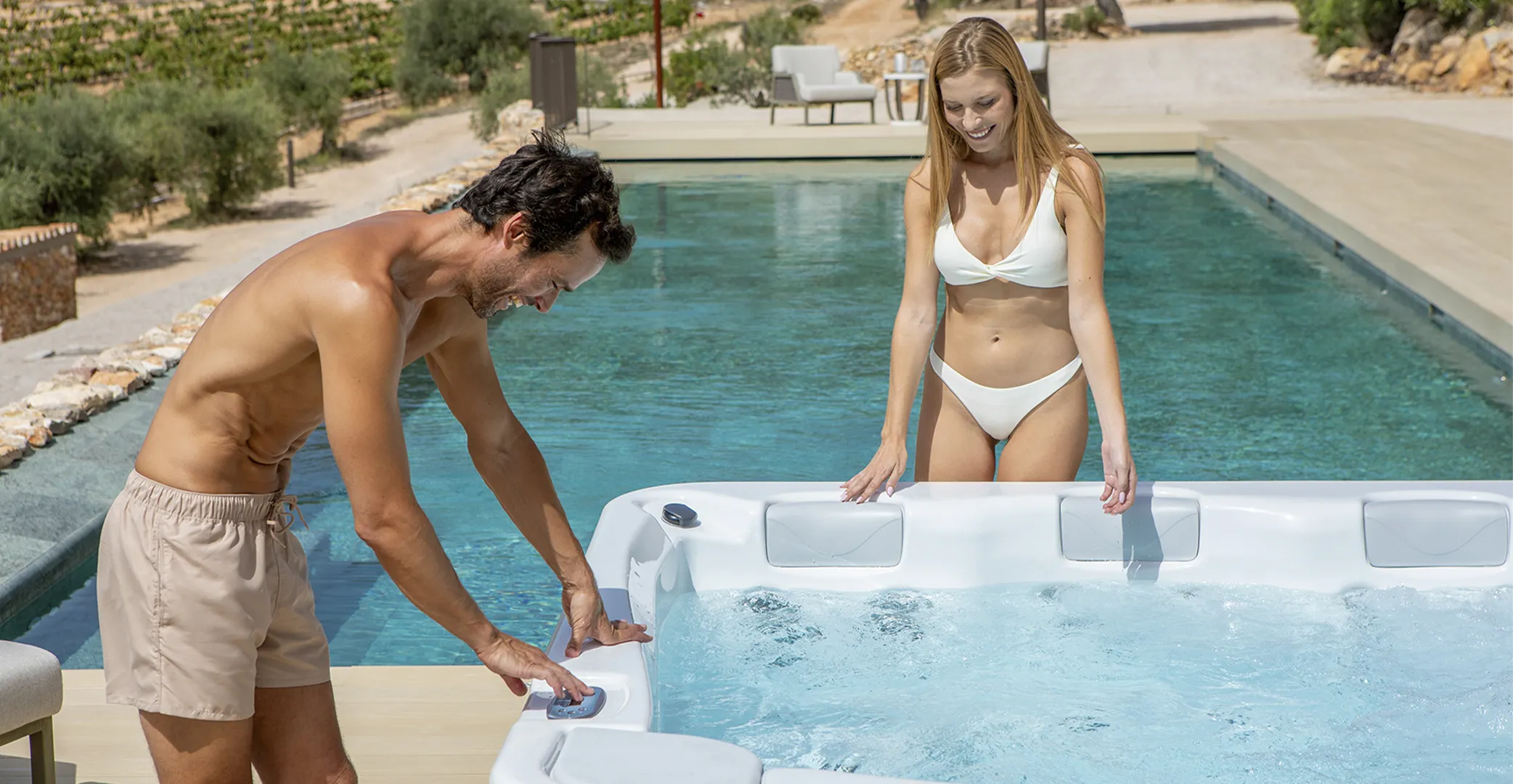
Another important benefit is customization. When you buy a jacuzzi, if you purchase models directly from an authorized dealer, you can choose:
- Size and seating capacity
- Interior and wardrobe finishes
- Massage settings
- Optional features such as Bluetooth audio systems
- Additional energy saving solutions
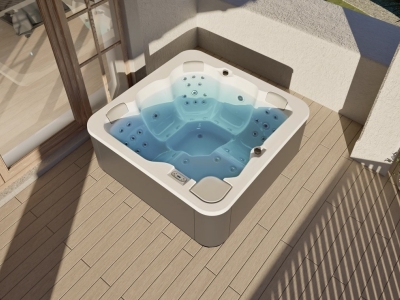
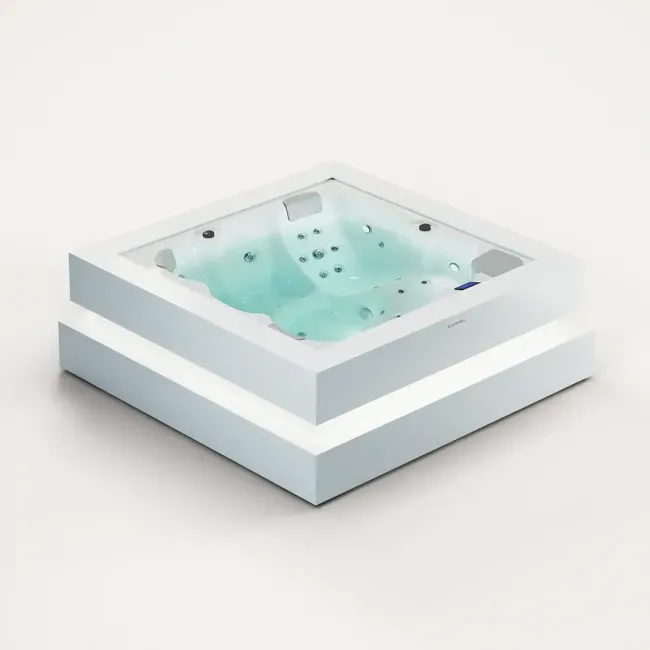
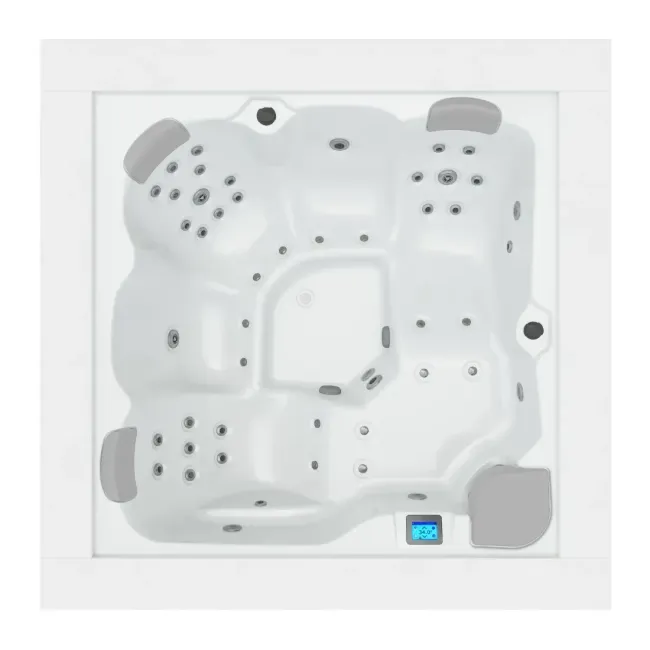
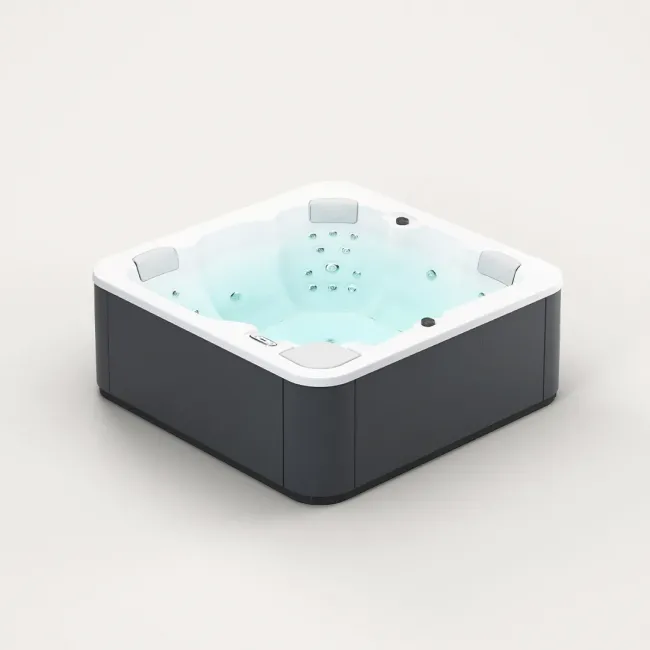
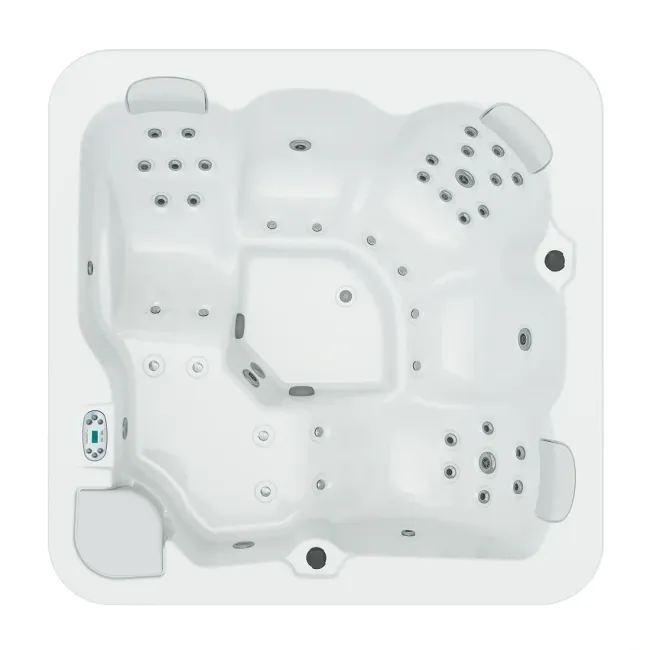
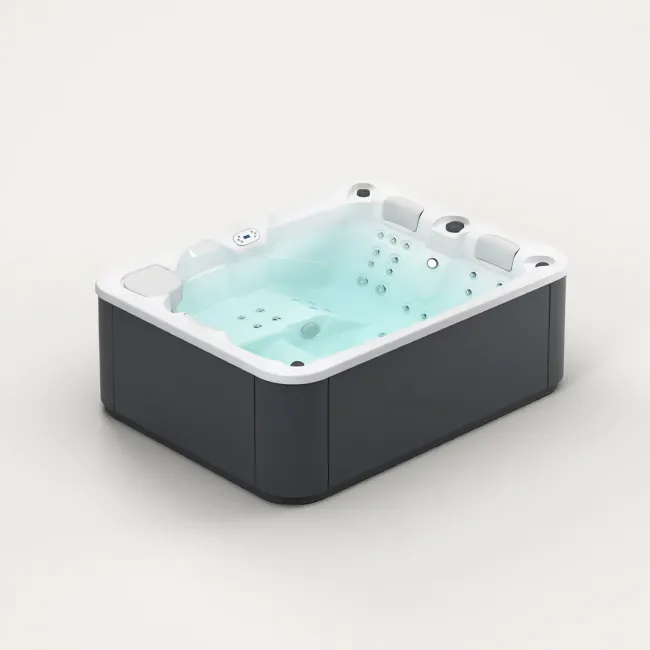
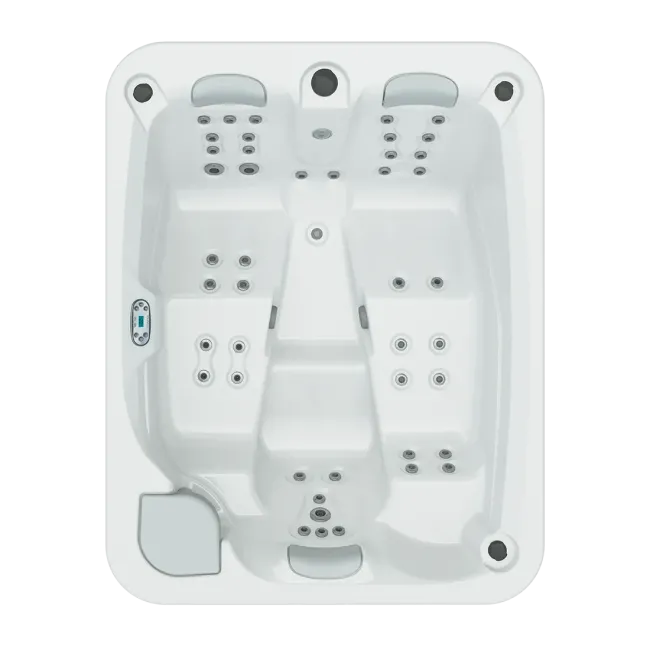
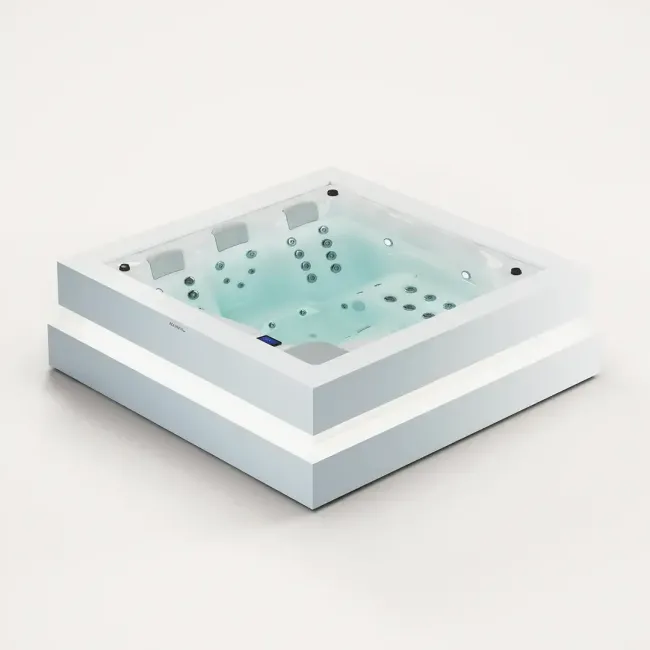
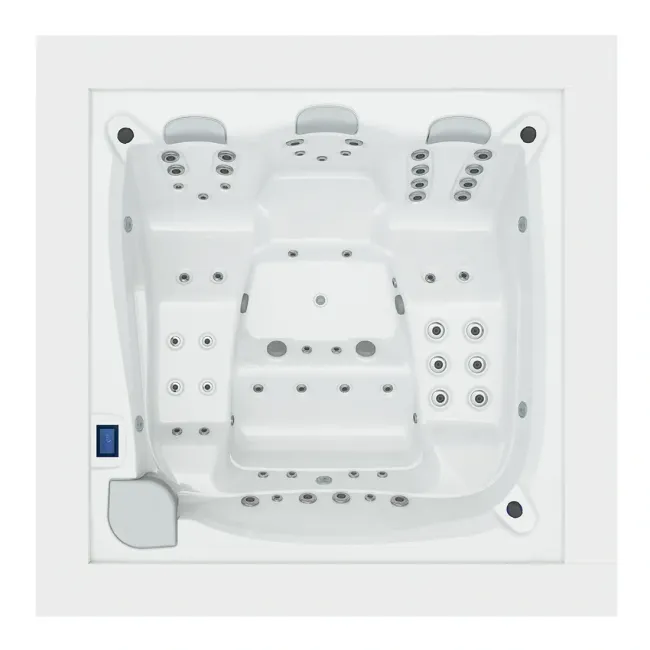
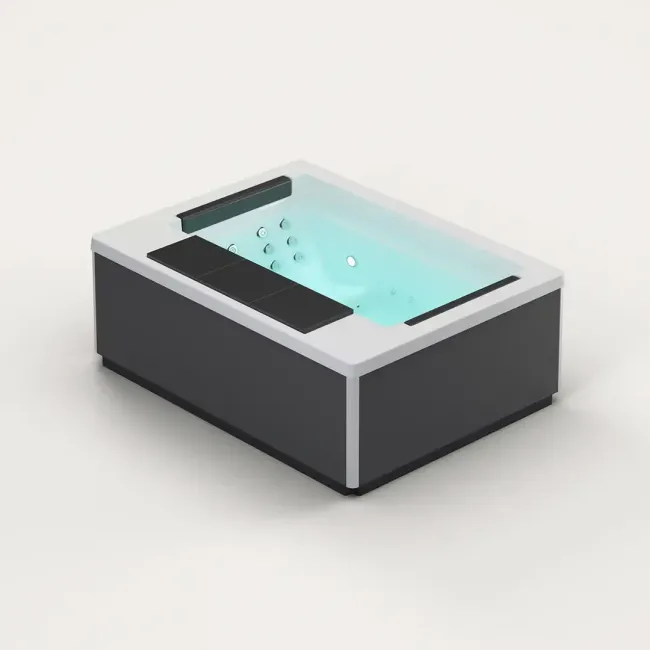
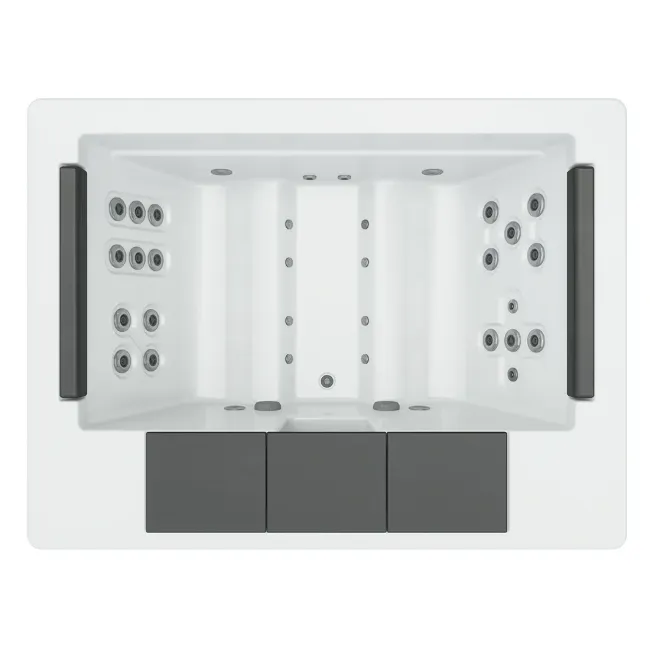
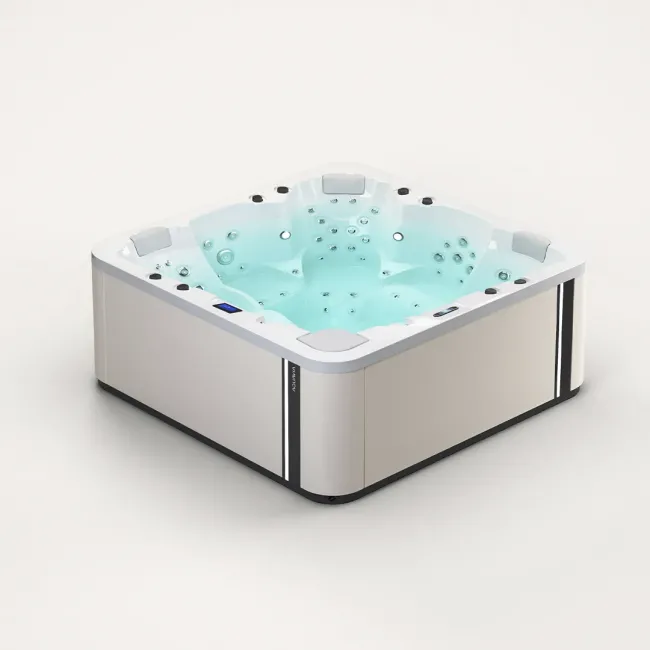
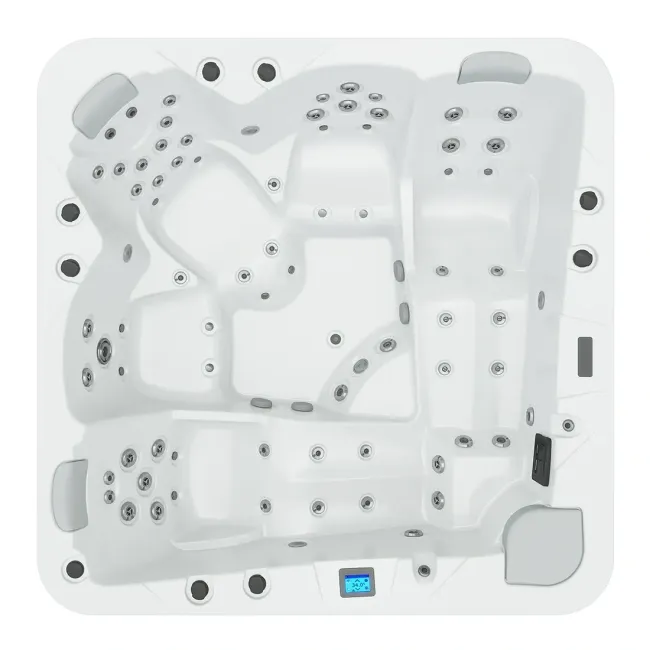
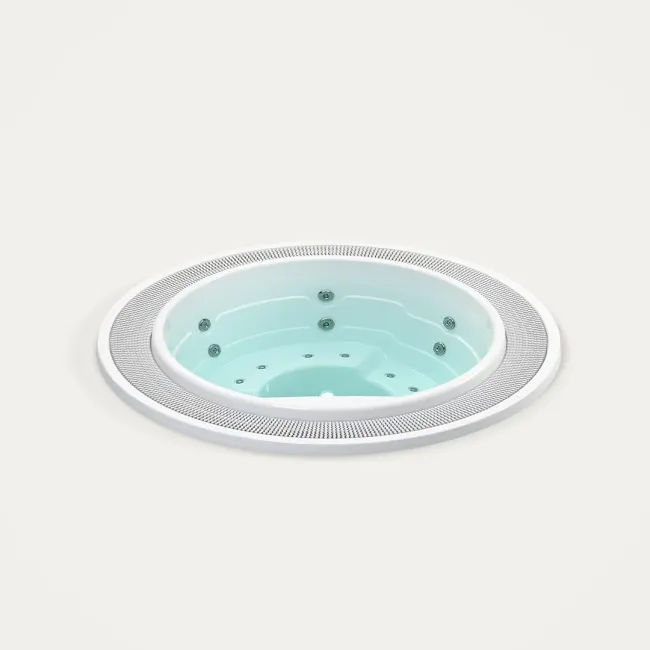
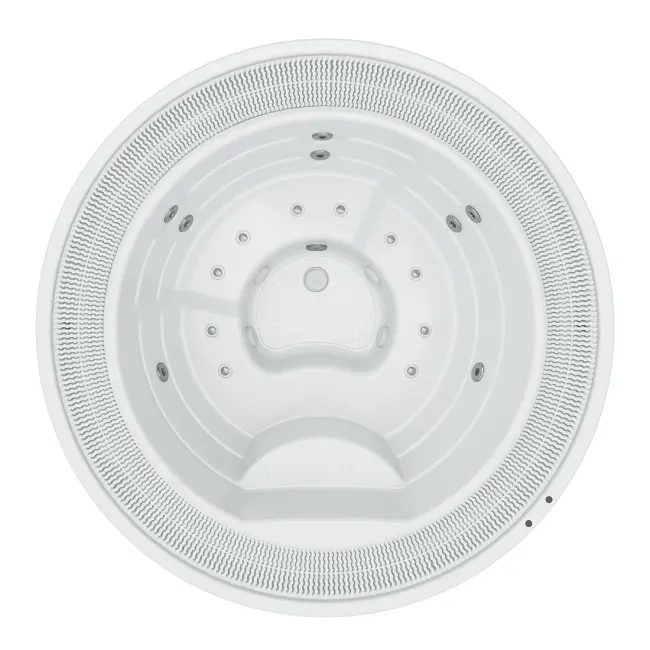
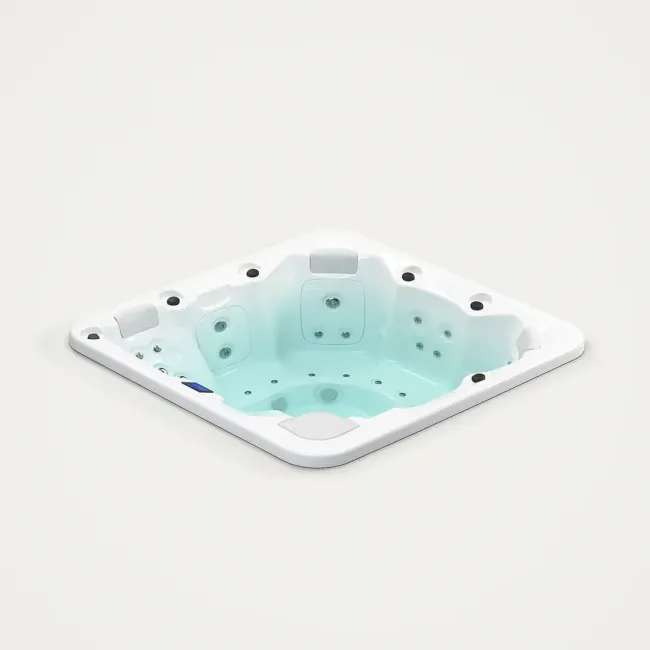
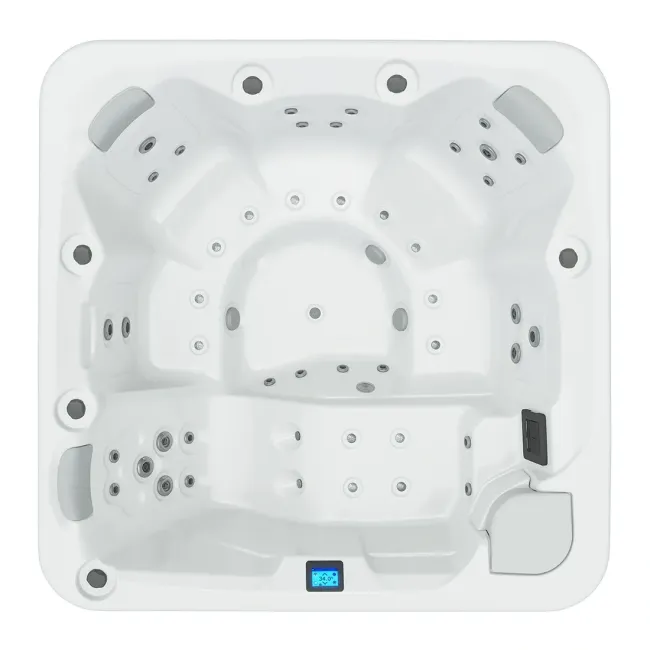
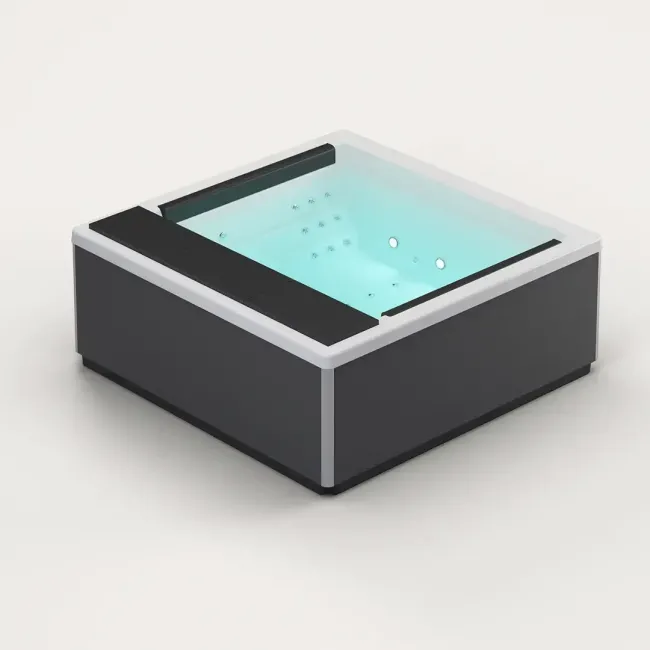
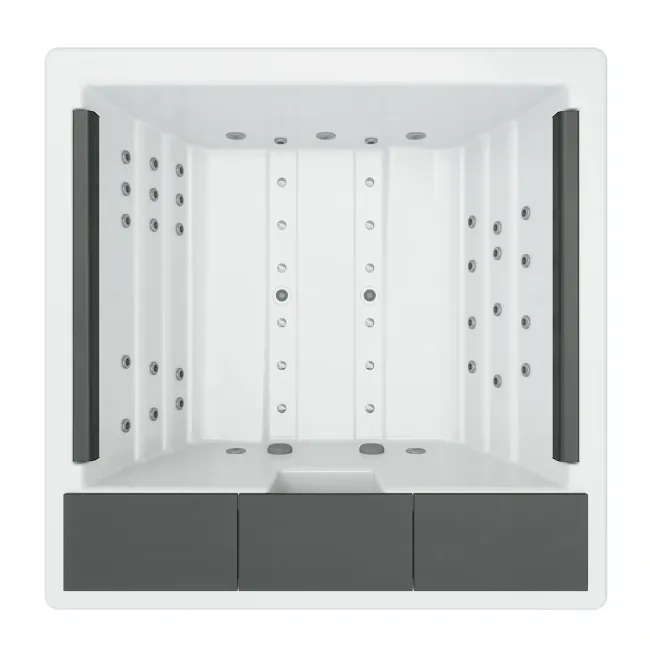
For example, the compact Home Hot Tub is ideal for smaller outdoor spaces, while still providing excellent comfort for four people. Families looking for greater capacity might prefer models like the Velvet Hot Tub , which offers multiple ergonomic massage positions and premium hydrotherapy features.
Each Aquavia Spa private hot tub also includes Ultraviolet Treatment as standard, helping to keep the water cleaner and reducing the need for chemicals.
Advantages and disadvantages of used hot tubs
A used hot tub can certainly reduce the initial purchase price, but it also introduces several uncertainties.
Advantages
- Lower initial investment
- Immediate availability
- Possible opportunity to acquire premium models at reduced prices.
Disadvantages
- Unknown maintenance history
- Hidden structural or technical defects
- Older technology with higher energy consumption.
- Limited or no warranty
- Potentially costly repairs
Many used hot tubs have already accumulated years of wear and tear on pumps, heaters, pipes, electronic controls, and insulation. Even if they appear to be in good condition, replacement parts and repairs can quickly increase the total cost of ownership.
In addition, transporting and reinstalling a used hot tub can involve extra expenses that buyers often overlook.
Price comparison: new vs. used
At first glance, buying a used hot tub seems considerably cheaper. However, a true comparison should include the total cost of ownership.
A new hot tub typically offers:
- Lower electricity consumption
- Reduced maintenance costs
- Longer equipment lifespan
- Manufacturer support
Older hot tubs tend to consume much more electricity due to outdated insulation and less efficient components.
Aquavia Spa addresses this through technologies like EcoSpa insulation , which minimizes heat loss and improves overall efficiency. In colder climates, the optional Nordic Insulation System provides additional thermal protection, helping to reduce energy consumption year-round.
Although the purchase price of a new Jacuzzi for sale is higher, many owners recover some of that difference thanks to the reduction in operating expenses during the hot tub 's lifespan.
Warranty and maintenance considerations
Warranty coverage is one of the strongest arguments in favor of buying a new hot tub . Buying directly from an official Aquavia Spa distributor means benefiting from comprehensive manufacturer warranties that cover key structural and technical components, providing peace of mind for years after installation.
Equally important is professionalism and after-sales support . Authorized distributors can provide:
- Installation assistance
- Technical service
- Genuine spare parts
- Maintenance tips
- Professional repairs when needed
This level of assistance is rarely available when buying a used hot tub from private sellers.

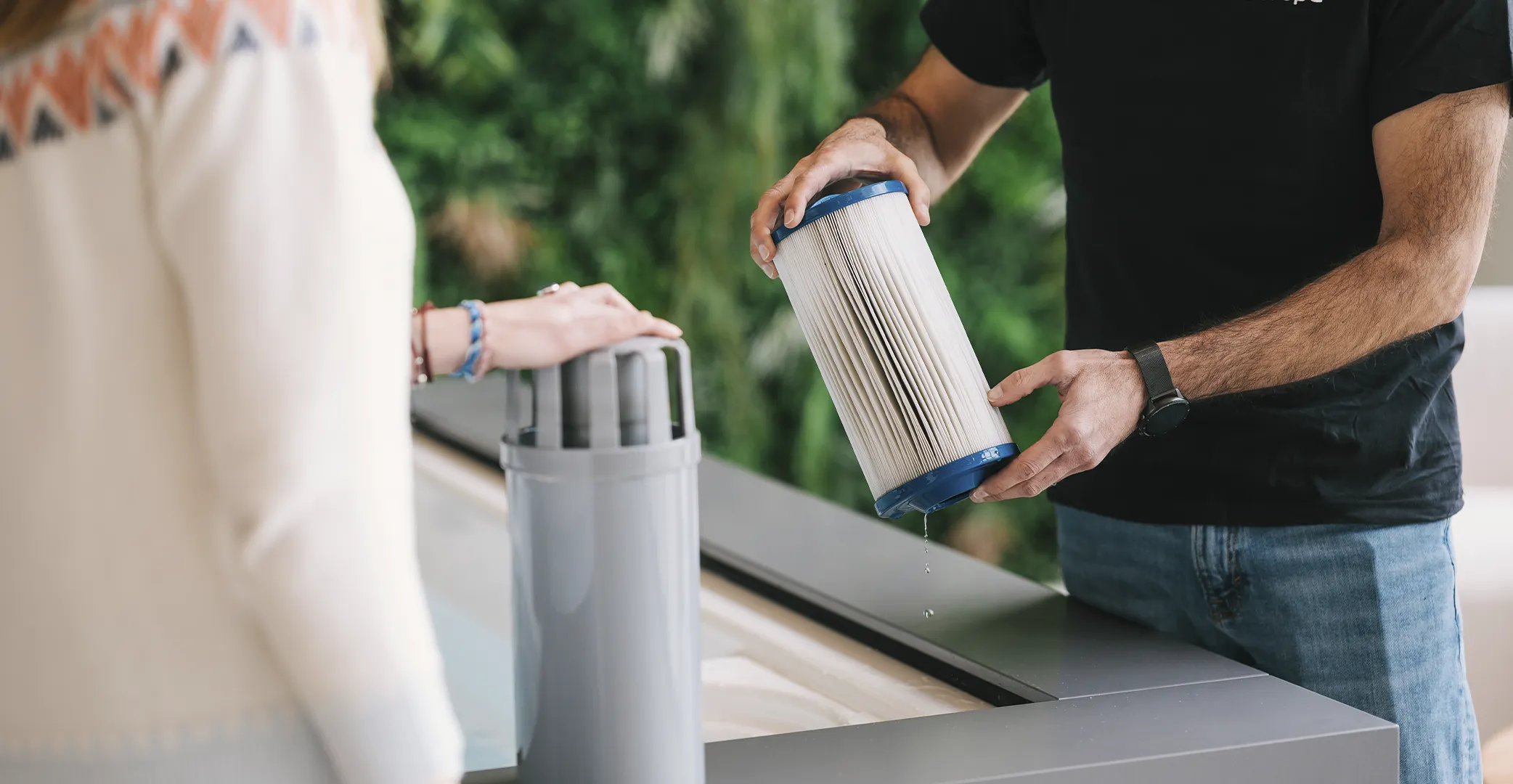
Routine maintenance is also easier with the latest equipment. Advanced filtration systems, automated water treatment technologies, and intuitive control panels simplify daily operation while helping to maintain optimal water quality.
Safety and hygiene factors
Safety and hygiene should never be underestimated when buying a hot tub.
- A second-hand hot tub may have:
- Obsolete plumbing systems
- Biofilm inside pipes
- Worn seals
- Damaged electrical components
- Water treatment history unknown
Even after thorough cleaning, hidden contaminants in internal pipes can be difficult to remove.
New Aquavia Spa models are manufactured using premium acrylic surfaces that are durable, easy to clean, and designed for long-term use. Combined with standard Ultraviolet Treatment , these systems help improve water hygiene and simplify maintenance.
Electrical safety is another important consideration. Modern hot tubs comply with current European manufacturing standards and incorporate the latest electrical protection systems.
Where to buy new and used jacuzzis
If you decide to buy a new hot tub , purchasing it through an official distributor is the safest option. Aquavia Spa's international network of distributors offers expert advice before, during, and after your purchase.
Used hot tubs are usually found through:
- Online marketplaces
- Classified ads
- Local private sellers
- Specialists in renovated hot tubs
While these options may offer attractive prices, buyers should carefully check the condition and ownership history before completing the purchase.
Tips for inspecting a used hot tub
If you're considering buying a used hot tub , inspect it thoroughly before making a decision. Key points include:
Examine the shell.
Pay close attention to the following:
- Cracks
- Repairs
- Blisters on the surface
- Acrylic discoloration
Structural damage can be costly to repair.
Try all the features.
Whenever possible, inspect the hot tub while it is fully filled and in operation.
Verify:
- Reactor performance
- How the heater works
- Pump noise
- Control panel functionality
- Lighting systems
Inspect the cabinet.
Exterior damage may indicate moisture problems or poor maintenance.
Check for leaks.
Inspect the underside of the hot tub for signs of water leaks around the plumbing connections.
Request maintenance records.
A well-maintained hot tub should include documentation on maintenance, repairs, and water treatments.
Check the availability of spare parts.
Manufacturers may no longer offer support for older models, making future repairs more difficult or expensive.
Choose the right option for your needs
Ultimately, the choice between a new and a used hot tub depends on your priorities.
If your goal is to get the lowest possible purchase price and you're willing to take on greater maintenance risks, a carefully inspected second-hand hot tub might be suitable.
However, for most homeowners seeking long-term value, buying a new home with a rigid hot tub is often the best investment. Modern technology, lower energy consumption, manufacturer warranties, improved hygiene systems, and professional after-sales service offer significant advantages that far outweigh the initial purchase price.
Ready to invest in lasting well-being?
Explore Aquavia Spa's complete collection of hot tubs and receive expert advice to find the perfect model for your home. Contact our team today. Request a personalized quote and discover the advantages of owning a high-quality European hot tub designed for years of comfort, efficiency, and relaxation.