es
es fr
fr de
de nl
nl en
en it
it pt
pt ro
ro sv
sv ru
ru hr
hr da
da si
si pl
pl no
no cs
cs fi
fi el
el sr
srWhether you're a professional athlete, a fitness enthusiast, or just someone who enjoys an active lifestyle, muscle recovery is key to maintaining performance and avoiding injury. As recovery trends evolve, two options have risen in popularity: the hot tub for muscle recovery and the ice bath after workout. But how do you know which is right for you?
Let’s explore the science and benefits behind both methods, from the soothing warmth of a hot jacuzzi to the revitalising chill of a cold tub, and help you make the best choice for your recovery routine.
Benefits of a hot tub for muscle recovery
There’s a reason athletes and physiotherapists continue to trust warm water therapy. The advantages of a hot tub go far beyond simple comfort. When immersed in warm water (typically between 37–40°C), your body responds in ways that actively support recovery:
- Improved blood circulation: Warm water helps dilate blood vessels, increasing blood flow to sore muscles, accelerating the delivery of oxygen and nutrients.
- Muscle relaxation: The heat relaxes tight or stiff muscles, reducing tension and improving mobility.
- Pain relief: Warmth can dull nerve sensitivity, offering natural pain relief for overworked muscles or chronic injuries.
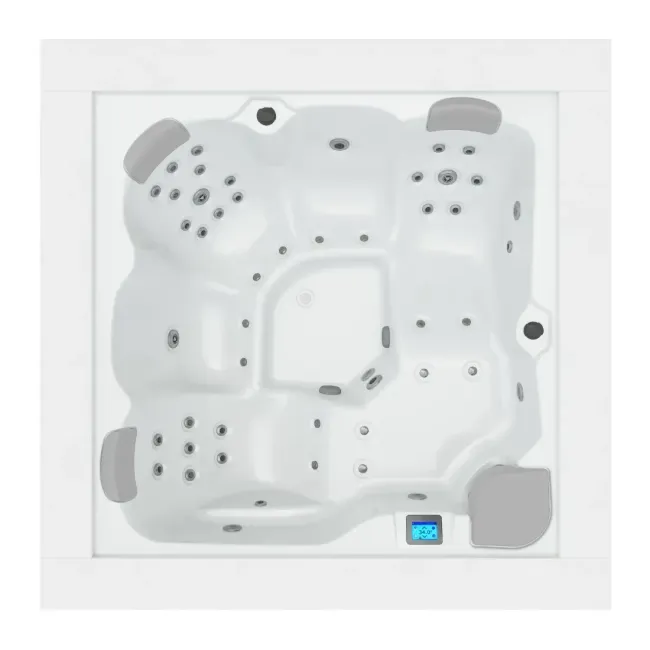
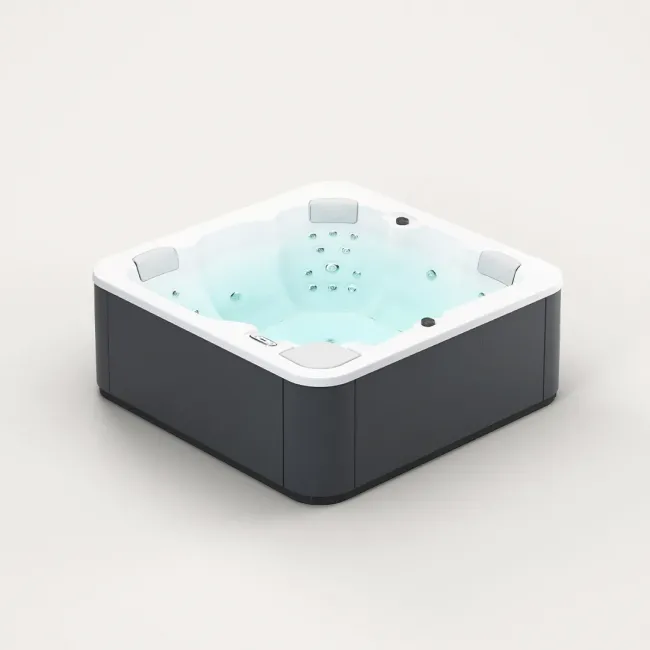
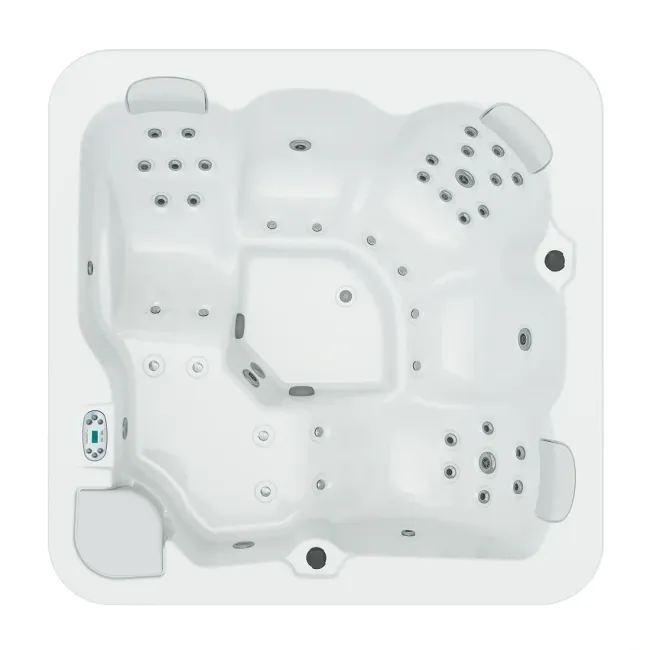
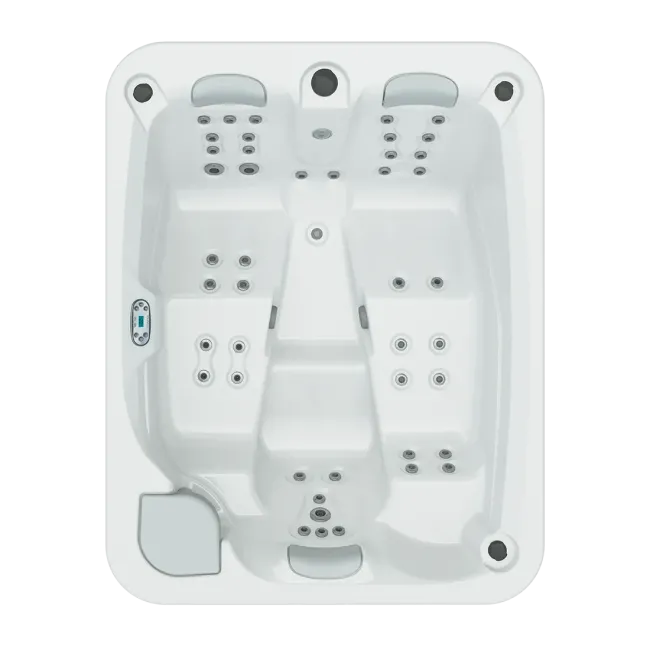
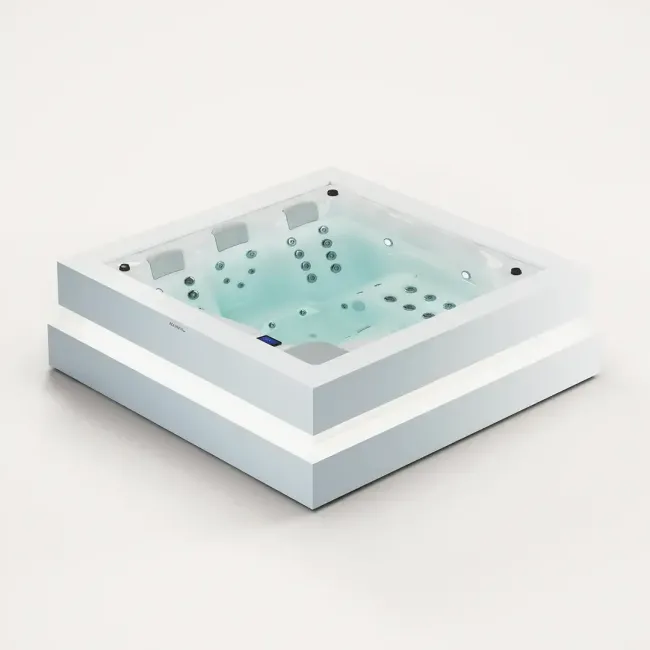
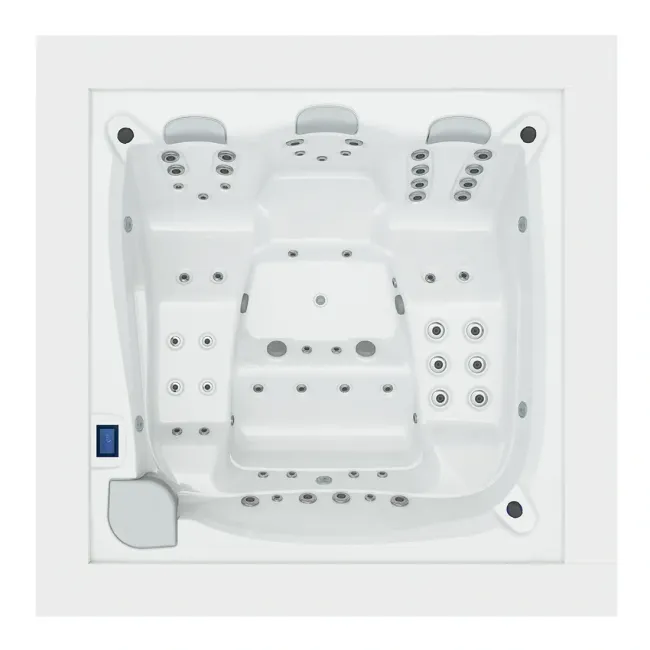
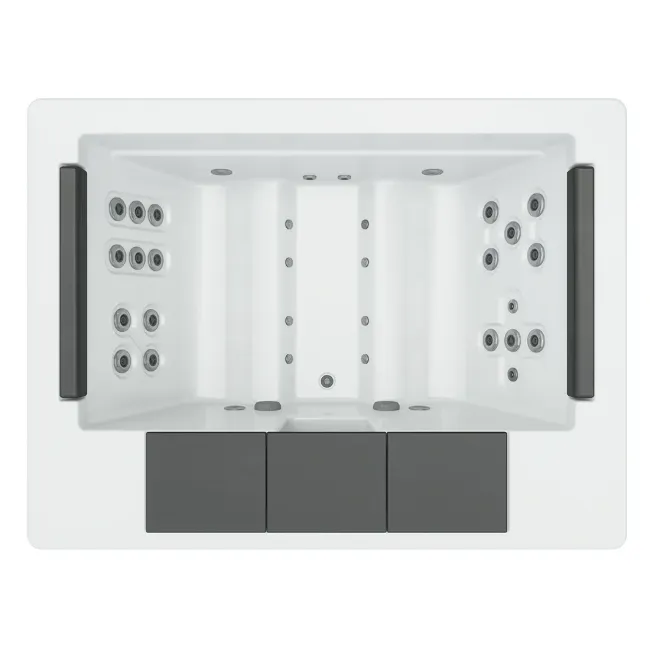
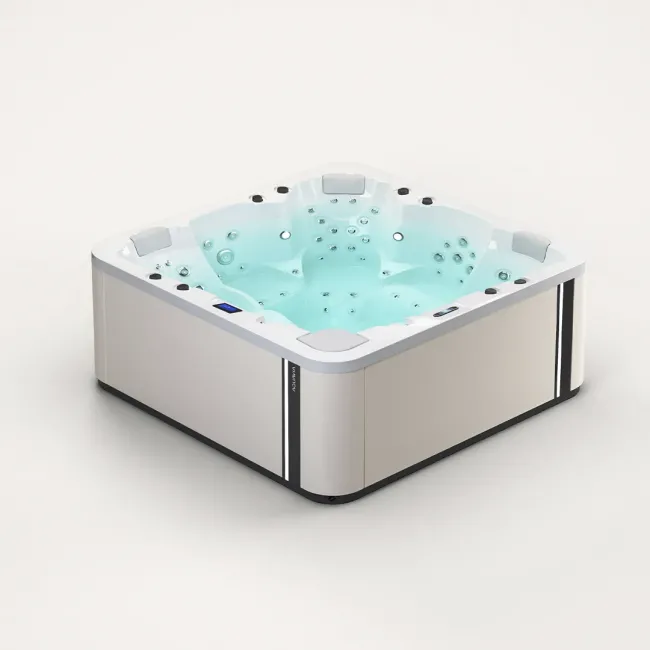
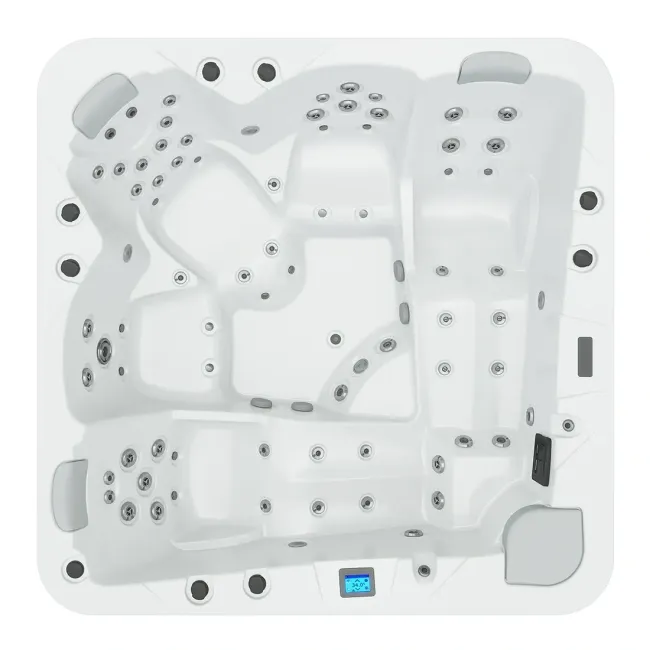
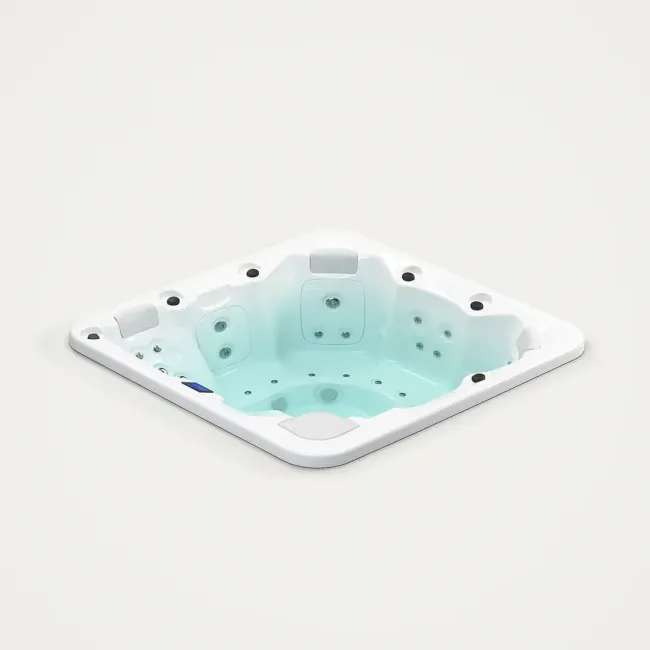
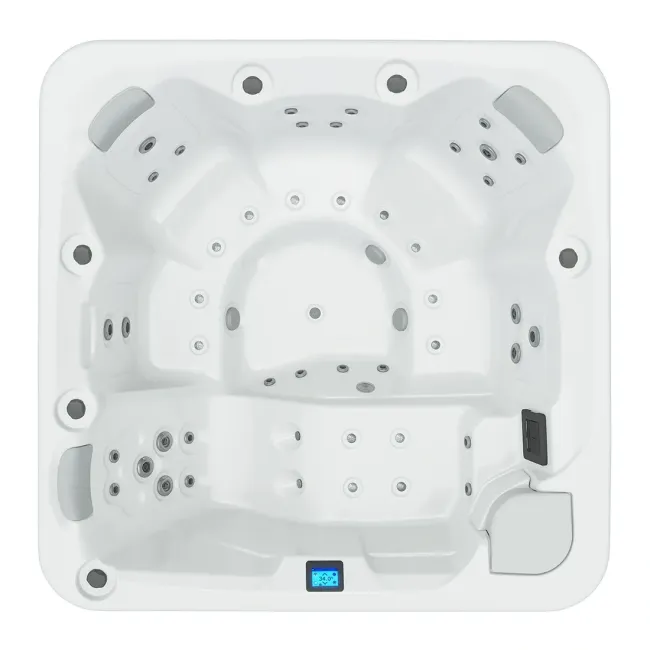
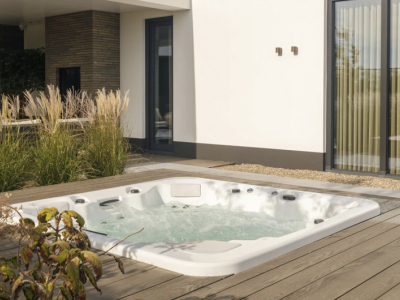
At Aquavia Spa, we offer a wide range of models designed for both comfort and performance. For example, the Spa Velvet is a premium 5-seater spa with 56 strategically placed jets for full-body hydromassage — perfect for athletes or families looking for a luxurious wellness experience. Meanwhile, the Spa Home is ideal for couples or smaller spaces, with 20 powerful jets and an ergonomic design focused on muscle recovery and relaxation.
Using a hot tub for muscle recovery after strength training or endurance exercise can help reduce muscle soreness and improve flexibility, preparing your body for the next session.
Advantages of an ice bath after workout
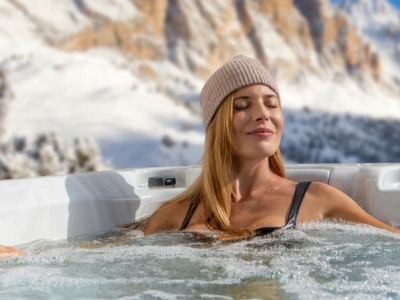
On the opposite end of the temperature spectrum, the ice bath after workout (also called cryotherapy or cold water immersion) offers a different set of benefits, especially after high-intensity or impact-heavy workouts:
- Reduces inflammation: Cold exposure causes blood vessels to constrict, helping to limit swelling and inflammation in muscle tissue.
- Prevents muscle damage: Cooling down muscles immediately after intense training can slow the breakdown of muscle fibres.
- Speeds up recovery time: Athletes often report feeling less sore the day after using an ice bath, allowing them to train more frequently with less discomfort.
While it might be uncomfortable at first, the ice tub benefits are scientifically backed — making it a powerful tool for post-workout care.
.webp)
What is a cold tub and its benefits?
A cold tub, or chill tub, is essentially a specialised tub designed to maintain low water temperatures (generally between 10–15°C) for cold water immersion therapy. Unlike DIY ice baths, a cold tub offers consistent, regulated temperatures and added hygiene — making it a more practical and sustainable solution.
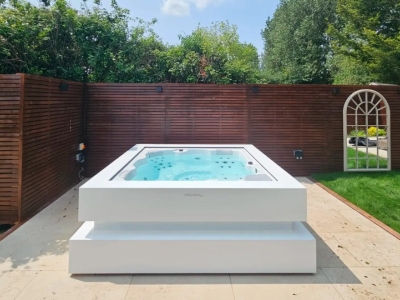
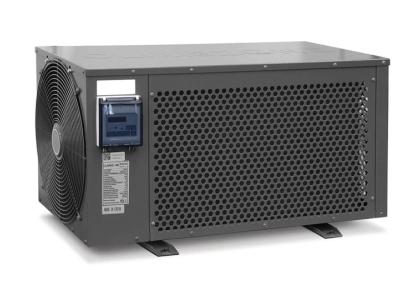
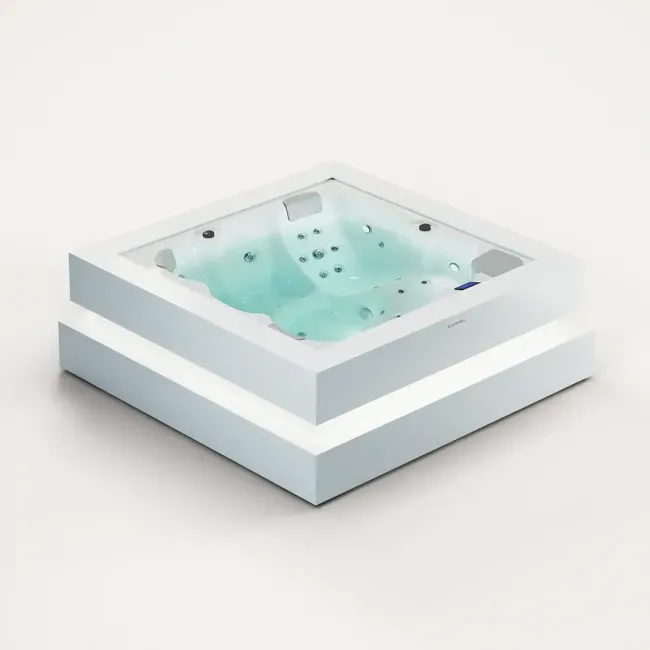
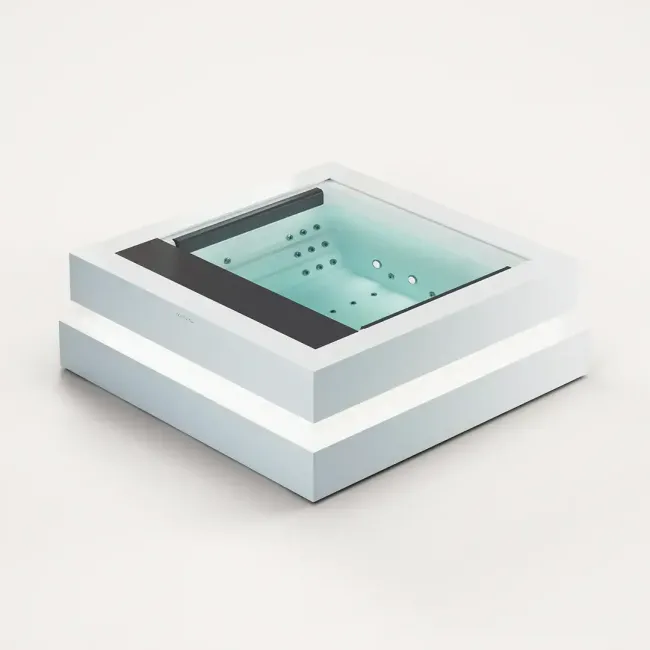
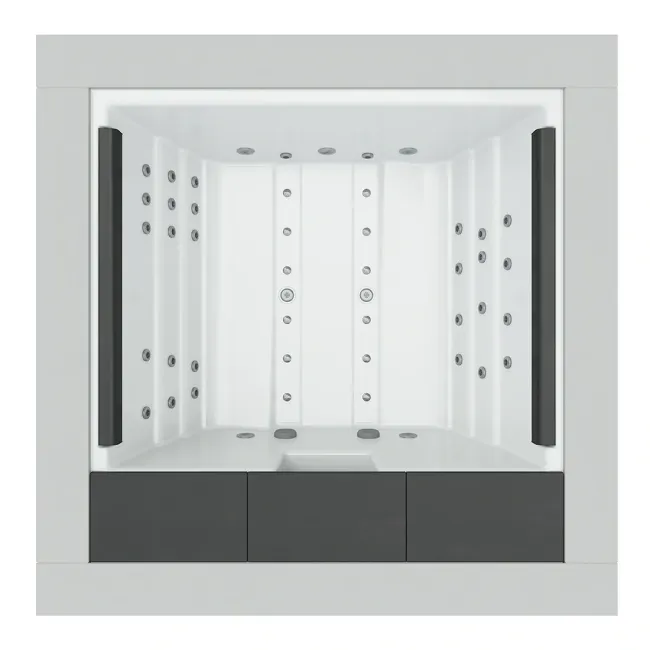
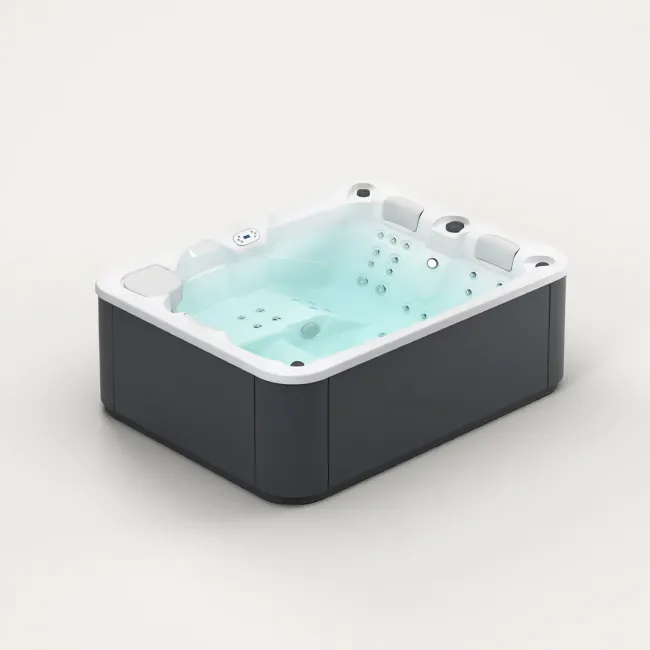
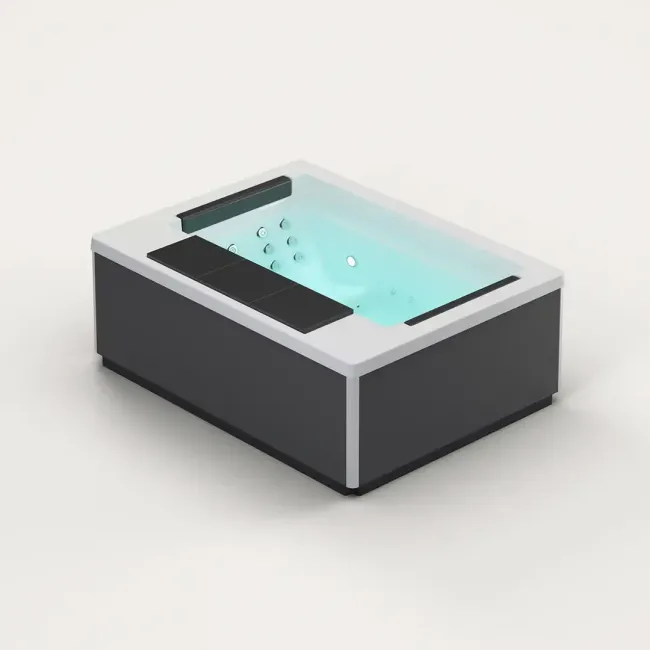
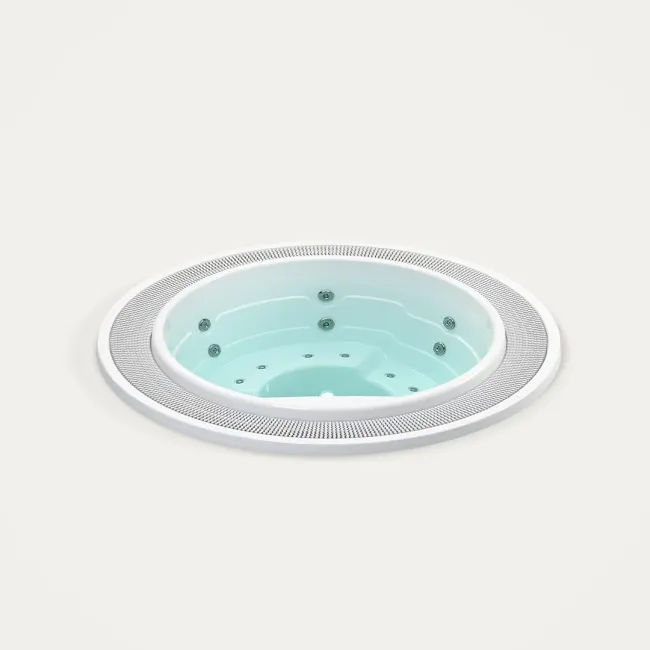
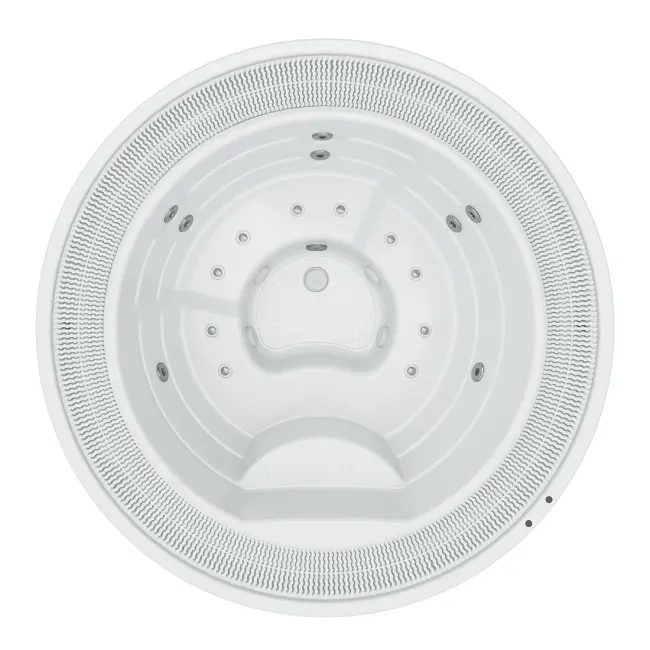
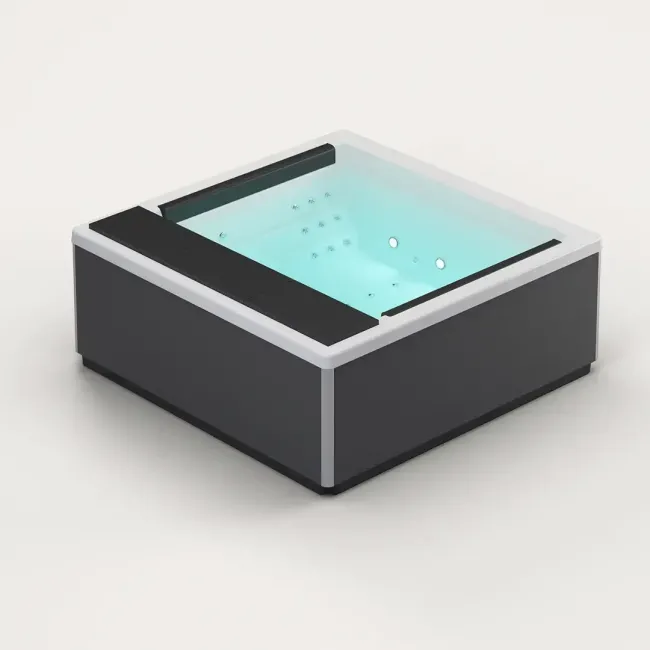
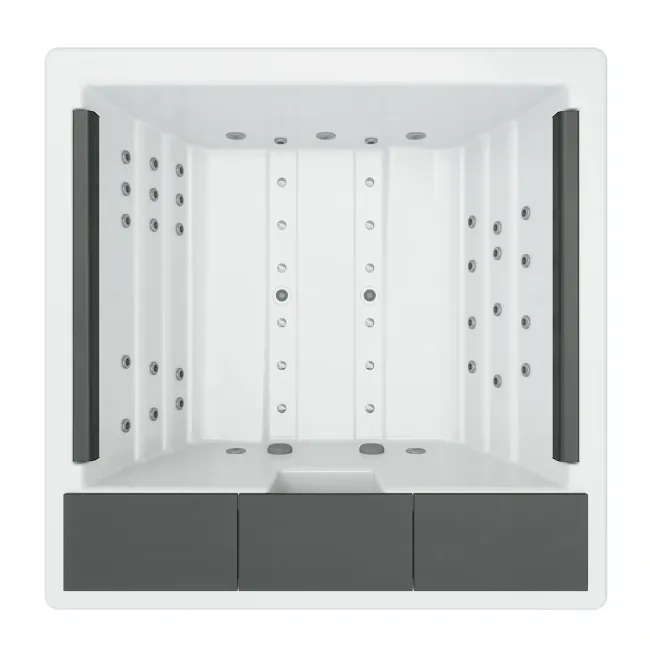
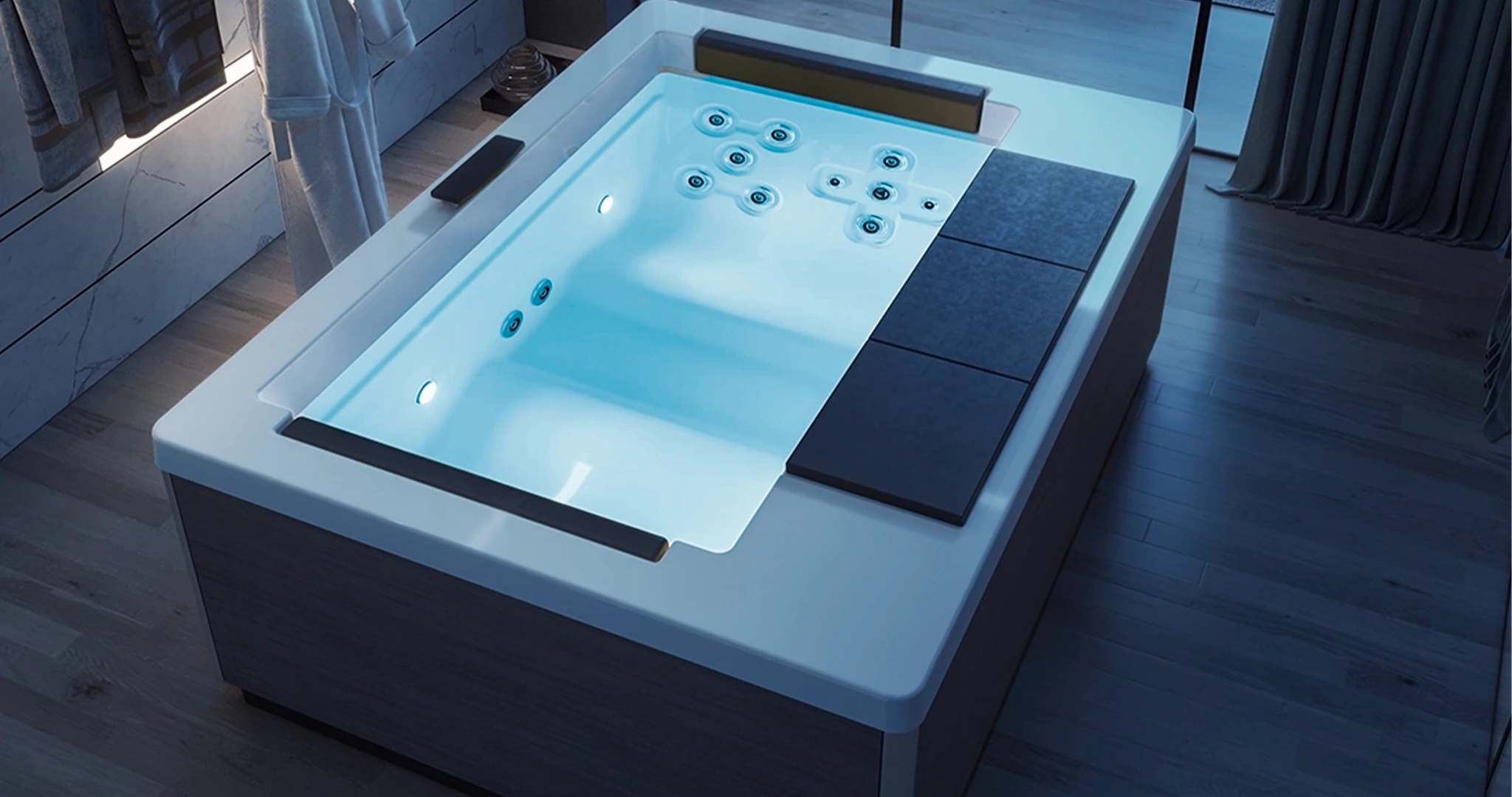
At Aquavia Spa, we’ve taken this concept further with our newest innovation: the Chill Tub . This exclusive product offers the best of both worlds, integrating hydrotherapy (hot water) and cryotherapy (cold water) into a single spa unit. Thanks to our reversible heat pump technology, users can switch between warm and cold water with total precision — all controlled via the Touch Panel 3.
The cold tub benefits include:
- Convenience and precision: No need for ice bags or buckets — the system chills water to exact settings.
- Faster cooldown: Immediate immersion in a regulated cold tub speeds up the recovery window.
- Mental resilience: Regular cold exposure has also been linked to improved mood and mental toughness, helping you build both physical and psychological endurance.
The Chill Tub redefines recovery for active users, offering a complete solution for muscle relief, energy renewal, and daily wellbeing — all in one device.
Hot jacuzzi benefits: more than just relaxation
When people think of a hot jacuzzi, they often imagine a luxurious soak — but the reality is, it’s also a smart choice for recovery. The hot jacuzzi benefits combine hydrotherapy with ergonomic comfort, often enhanced by features like water jets, LED lighting, and smart temperature controls.
Here’s what makes a hot jacuzzi an excellent recovery companion:
- Hydromassage jets: Target specific muscle groups with adjustable water pressure to relieve tension and knots.
- Stress reduction: Physical recovery isn’t only about muscles. Heat and hydrotherapy calm the nervous system, reducing cortisol and improving sleep quality.
- Injury prevention: Using a hot jacuzzi regularly can support joint flexibility and muscular elasticity, helping you stay limber and agile.
So yes, a jacuzzi is indulgent — but it’s also a high-performance recovery system hidden in plain sight.
How to choose between a hot tub and cold tub for your needs
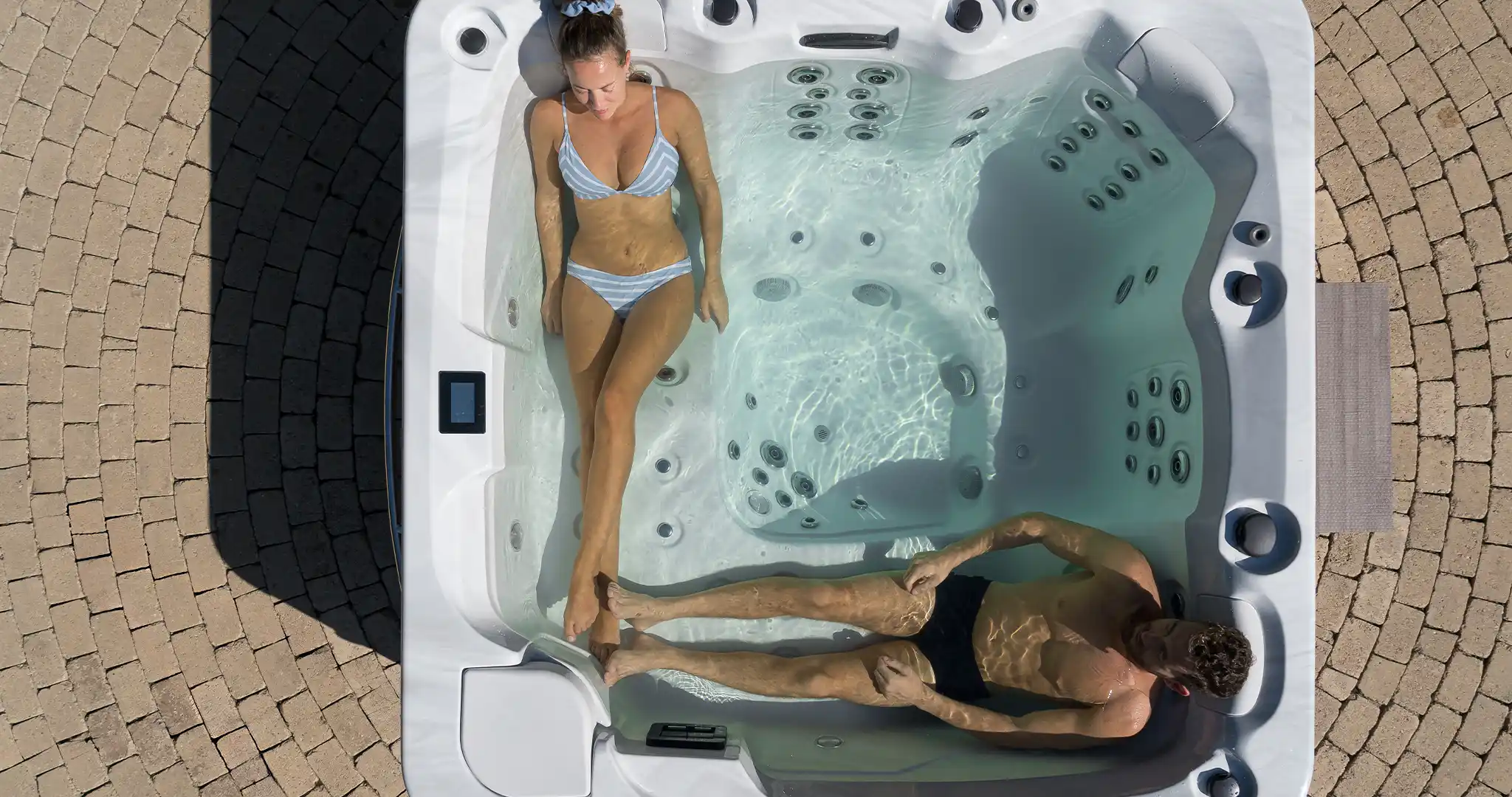
Deciding between a hot tub for muscle recovery and a cold tub depends largely on your training style, physical needs, and preferences.
Choose a hot tub if you...
- Struggle with chronic muscle tension or joint stiffness
- Prefer comfort and relaxation during recovery
- Want a versatile spa for both recovery and leisure
- Train in colder climates where warmth is welcome
Choose a cold tub if you...
- Engage in high-intensity or impact sports (running, HIIT, CrossFit)
- Experience frequent inflammation or acute soreness
- Want to improve mental resilience with cold exposure
- Already use cold therapy and want a more hygienic, convenient solution
Or choose both with the Chill Tub, you no longer have to compromise. Alternate between heat and cold as part of your recovery strategy, all in one sleek, European-designed unit.
Tips for using hot tubs and cold tubs safely
Regardless of which recovery method you choose, safe usage is essential:
Hot tub safety tips:
- Limit sessions to 15–20 minutes to avoid overheating.
- Stay hydrated before and after soaking.
- Avoid use immediately after intense cardio, as it may strain your heart.
- Don’t use alcohol before entering a hot tub — it increases dehydration and risk.
Cold tub safety tips:
- Start with shorter sessions (2–5 minutes) and gradually build up to 10–15 minutes.
- Always listen to your body — extreme discomfort, numbness, or dizziness are signs to exit.
- Never use cold tubs if you have cardiovascular issues without consulting a doctor.
- Warm up after cold therapy to restore circulation and comfort.
Always consult a health professional if you have existing conditions or are unsure how your body will respond to temperature therapy.
Boost your muscle recovery today!
Choose the perfect hot tub or cold tub for you and enhance your post-workout results. Check out our models and exclusive offers.