es
es fr
fr de
de nl
nl en
en it
it pt
pt ro
ro sv
sv ru
ru hr
hr da
da si
si pl
pl no
no cs
cs fi
fi el
el sr
srWhy does the body need to recover after exertion?
The effects of intense exercise on muscles
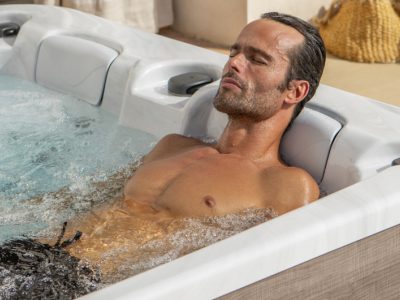
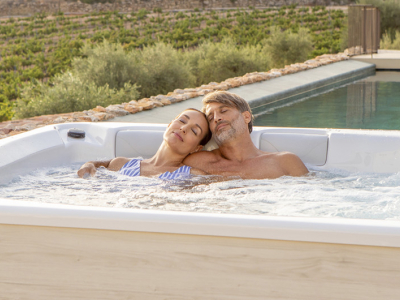
After physical exertion, the body enters an essential repair phase. Muscle fibers undergo micro-tears, accompanied by a buildup of lactic acid and localized inflammation. In this context, using a spa after exercise helps optimize this regeneration phase by providing warmth, buoyancy, and circulatory stimulation.
Active recovery vs passive recovery: what's the difference?
Active recovery involves maintaining gentle activity (stretching, mobility exercises), while passive recovery relies on complete rest. Using a hot tub after exercise offers a hybrid approach: the body is at rest, but the water jets stimulate the muscles and circulation. This synergy significantly enhances the benefits of a sports spa, notably by reducing tension and accelerating recovery.
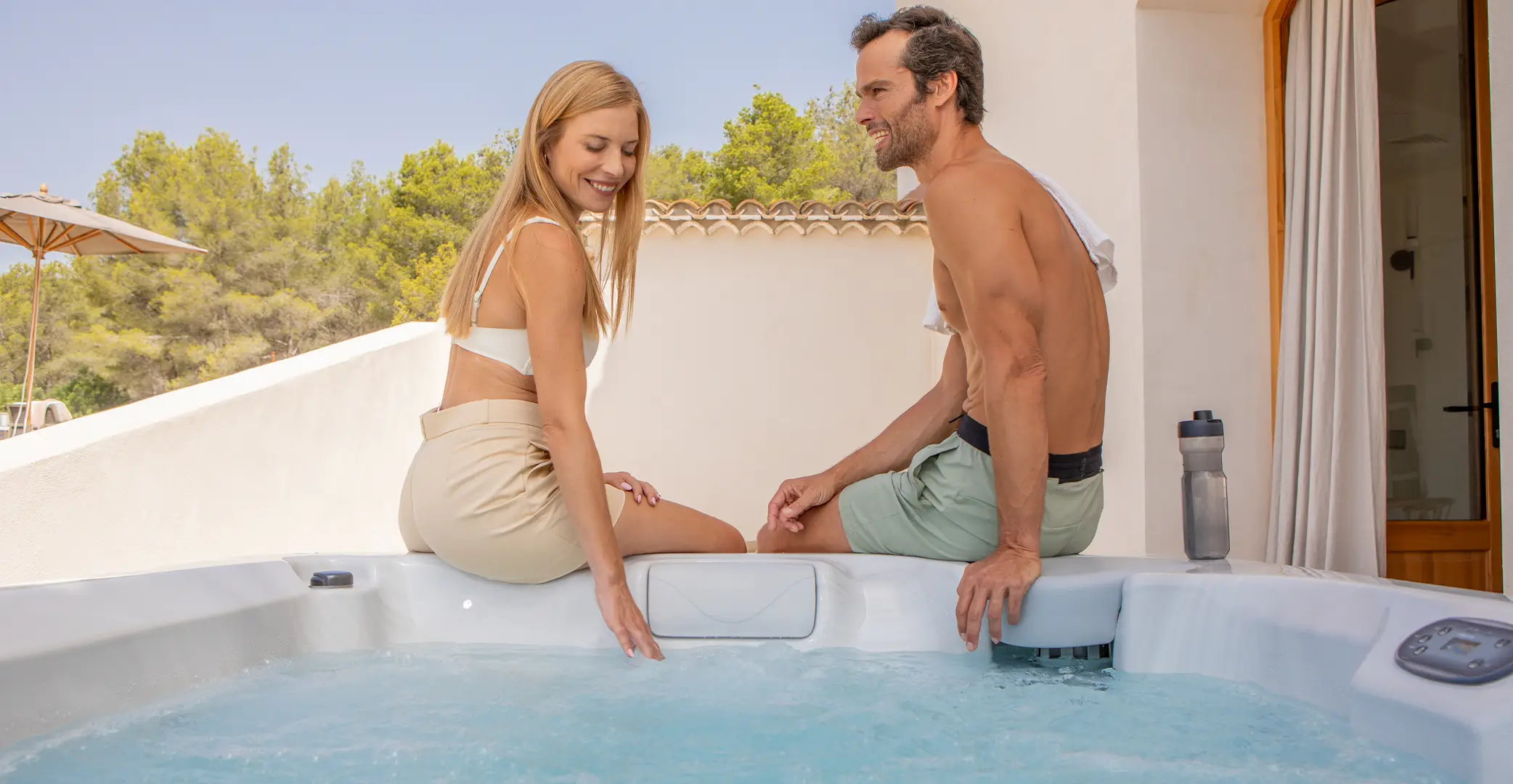
The warmth of the water: a natural ally for your muscles
Vasodilation and blood circulation: how it works
The warmth of the water causes blood vessels to dilate, increasing blood flow to the affected areas. This mechanism promotes tissue oxygenation and toxin elimination. In a post-exercise recovery jacuzzi , this action is enhanced by hydromassage, improving overall recovery.
Reducing muscle soreness through thermotherapy
Contrary to popular belief, heat is particularly effective in relieving muscle pain. Hydrotherapy for muscle recovery helps relax contracted muscle fibers and reduce inflammation. The result: a noticeable reduction in soreness and an immediate feeling of lightness.
The ideal spa temperature for recovering after sports
To maximize the effects, a temperature between 36°C and 38°C is recommended. This temperature range allows for an optimal balance between muscle relaxation and circulatory stimulation, a characteristic of a home sports spa designed for performance and well-being.
Aquavia massage jets: much more than just a bath
Targeted jets for the back, legs and shoulders
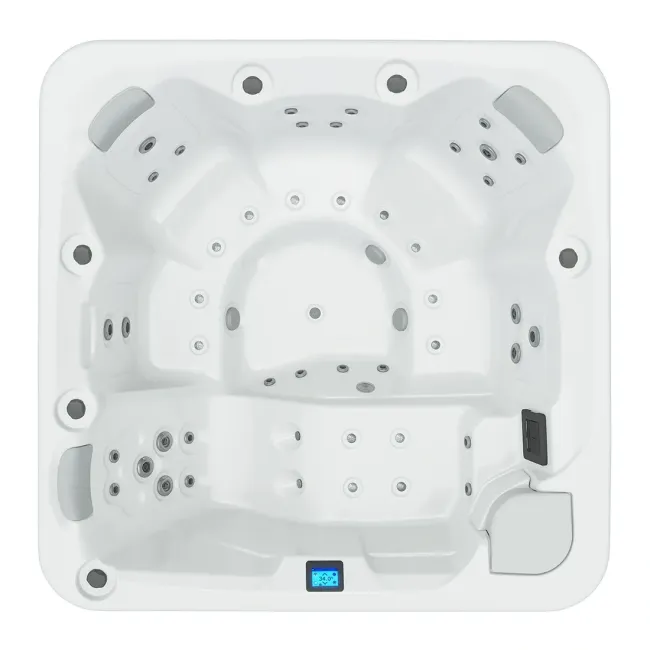
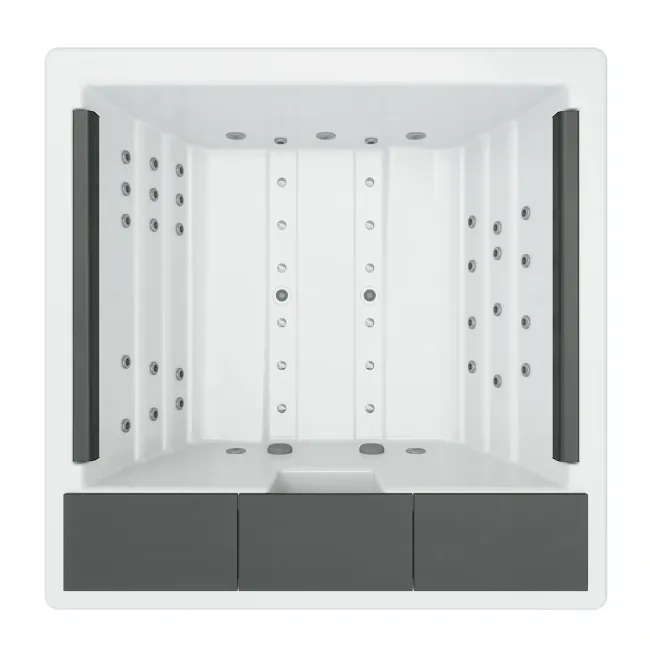
Aquavia spas are designed to provide a precise massage of the areas most stressed by sports. The sports massage jets in the spa effectively target the back, quadriceps, calves, and shoulders, providing immediate relief.
Pulsed hydrotherapy: simulating a professional massage
Thanks to advanced technologies, the jets replicate the movements of a manual massage. This approach transforms the sports performance wellness spa into a true therapeutic tool, ideal for rapid and effective recovery.
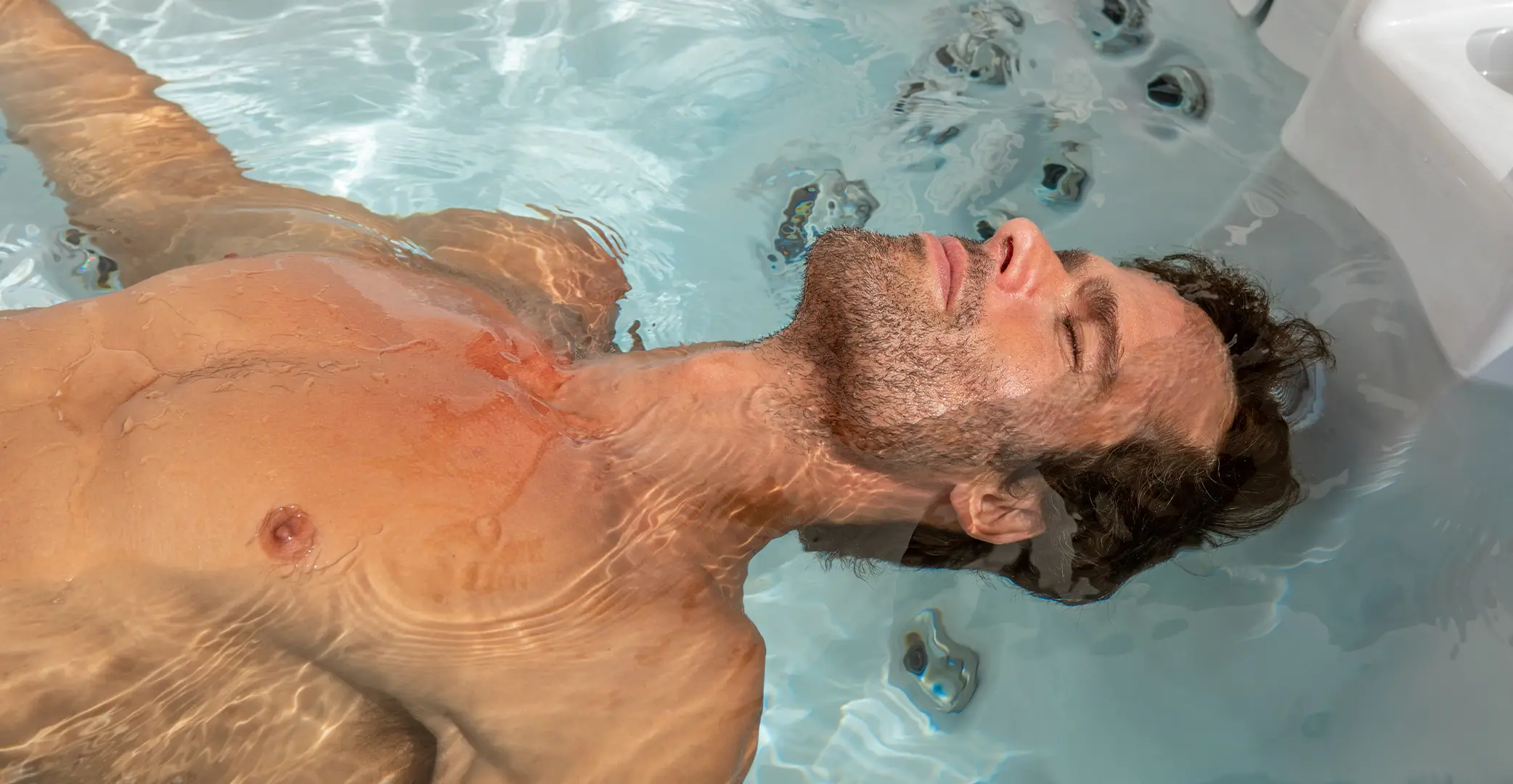
Customize the intensity according to your needs
Each user can adjust the power and direction of the jets. This customization allows the experience to be adapted according to the intensity of the effort or the areas to be treated, enhancing the effectiveness of the session.
Aquavia Swimspa: training and recovery in a single device
Swim, train, recover: the all-in-one concept
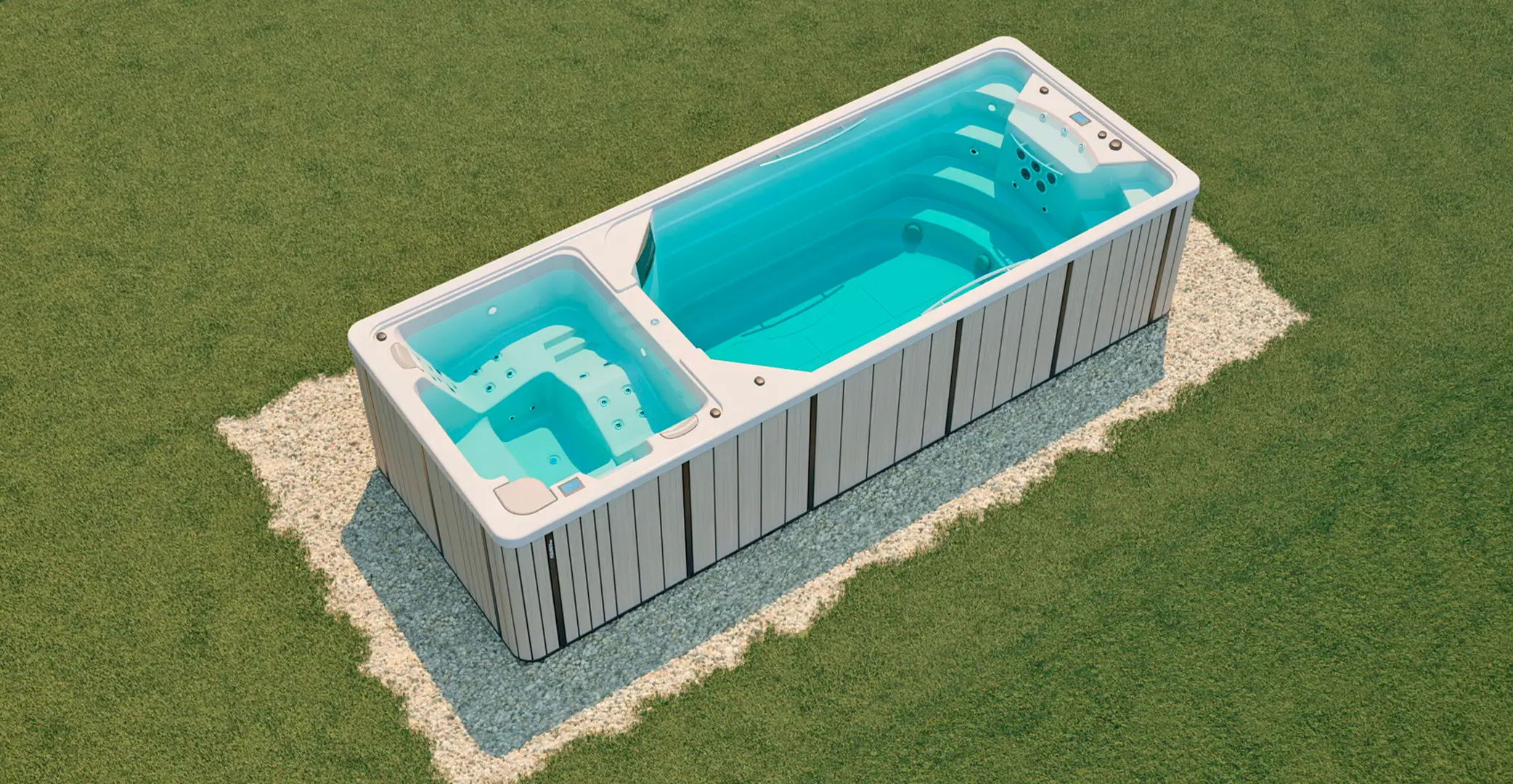
The swimspa sport recovery combines a counter-current swimming area and a relaxation space. It allows you to combine training and recovery in the same environment.
Ideal for athletes who are short on time
For discerning users, having a complete home spa setup is a strategic advantage. The swimspa optimizes time while guaranteeing a high level of performance.
How long should I stay in the spa after exercising to feel the benefits?
The recommended protocol: duration and frequency
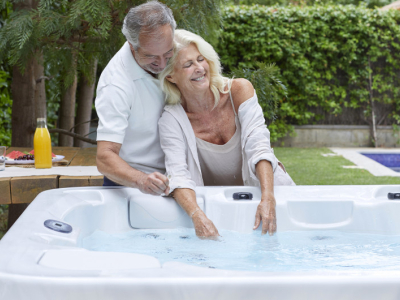
A 15- to 20-minute session, 2 to 4 times a week, is enough to feel the positive effects. Regular use of an outdoor or indoor jacuzzi improves muscle recovery in the long term.
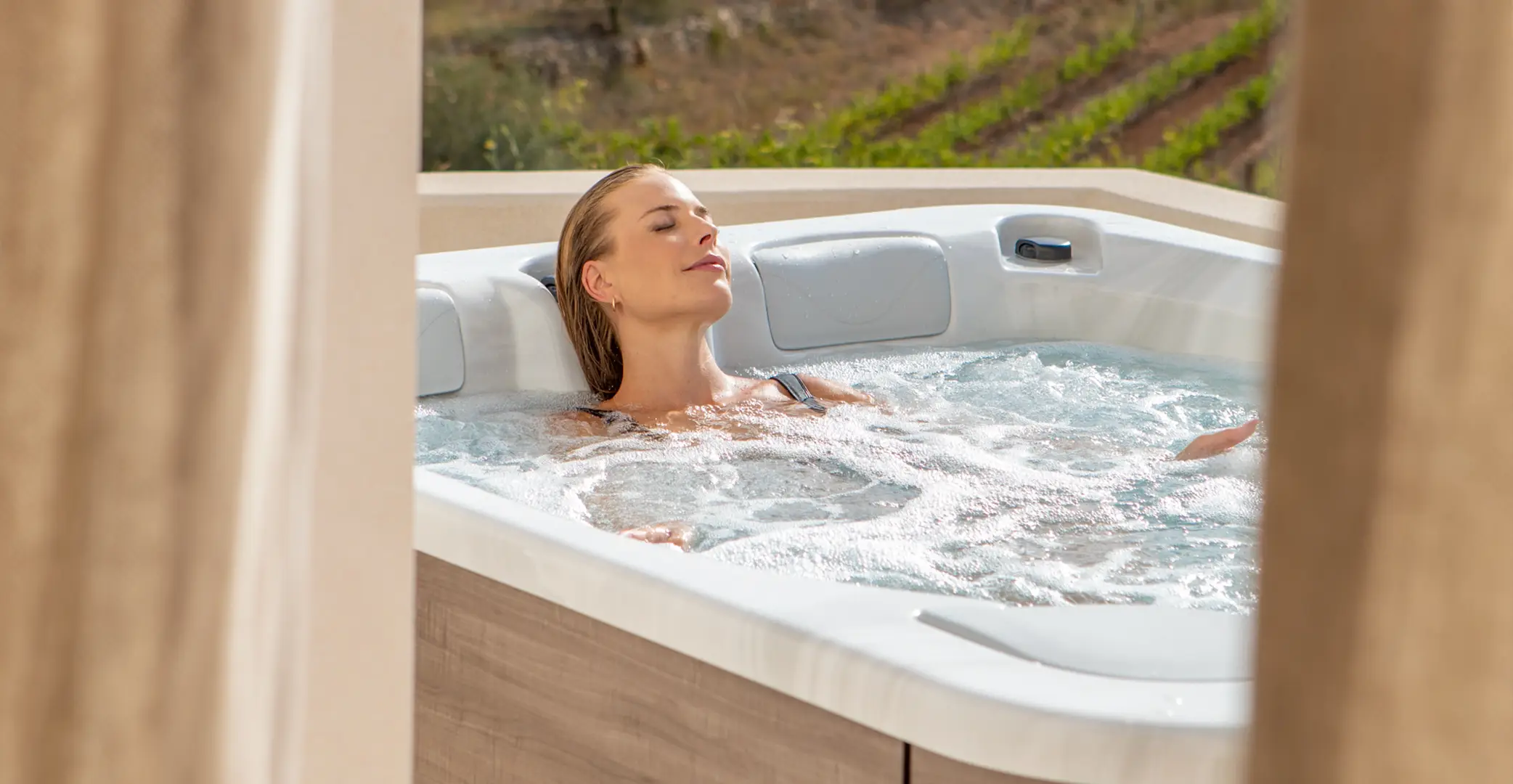
Before or after sports: when to use your spa?
It is best to use your spa after exercise. The body then fully benefits from the effects of the heat and hydromassage, enhancing the benefits of a sports spa.
Which Aquavia model should you choose based on your sporting activity?
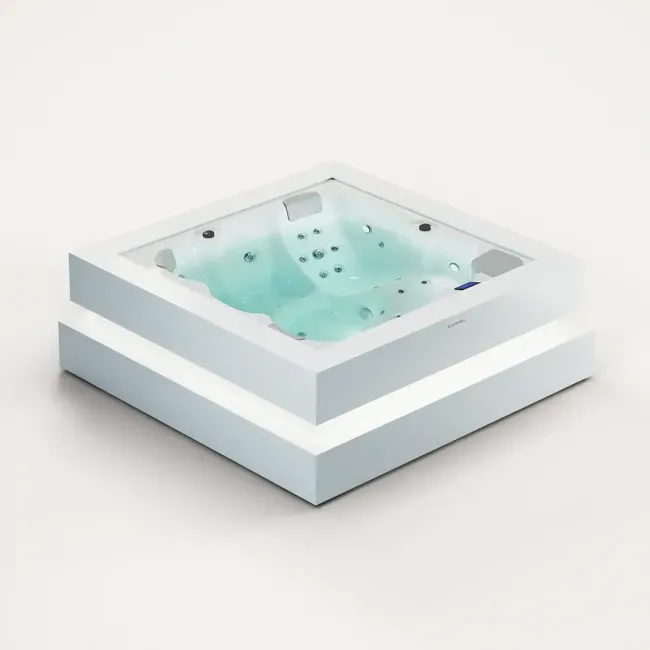
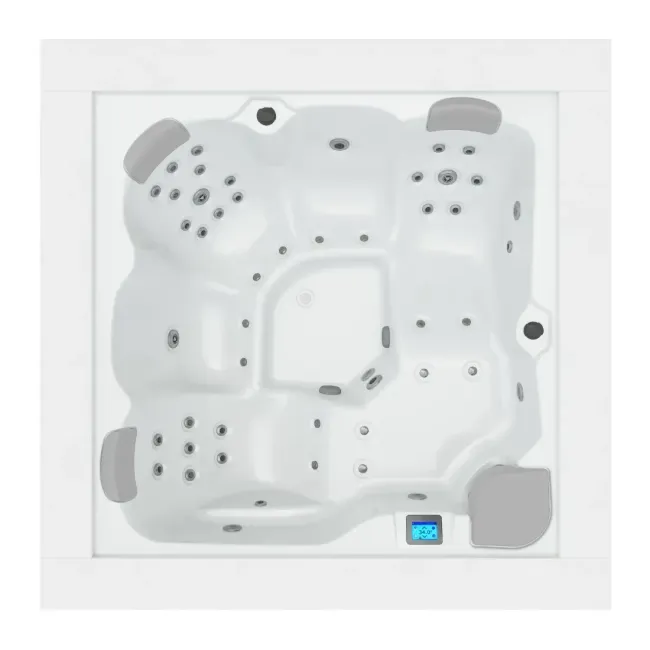
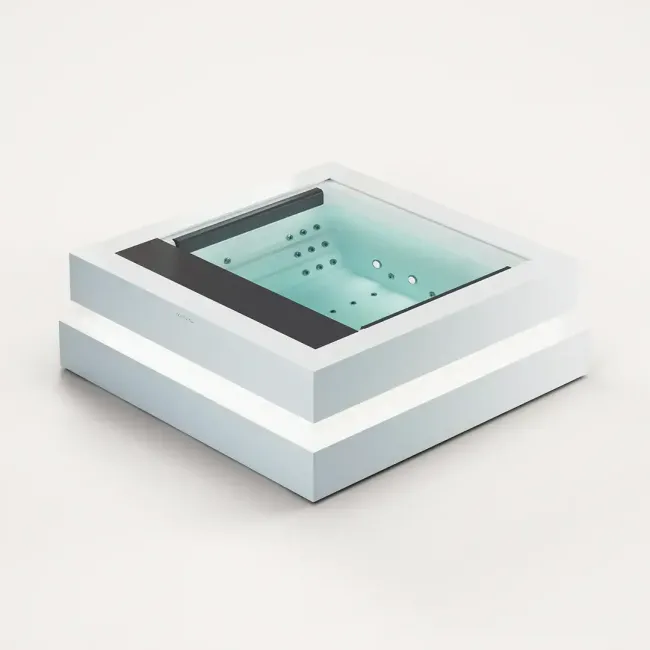
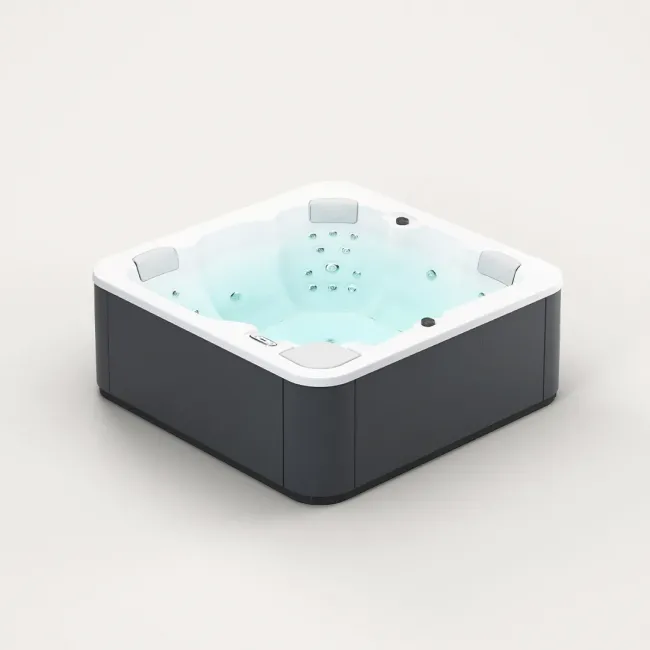
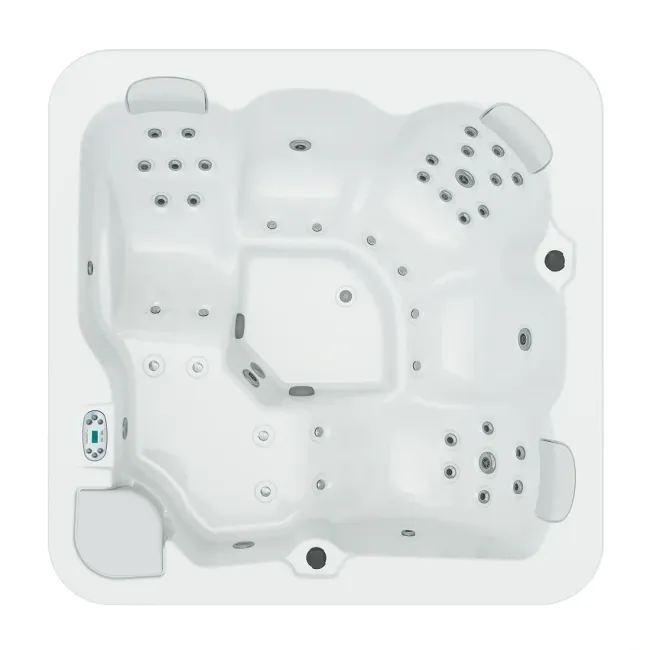
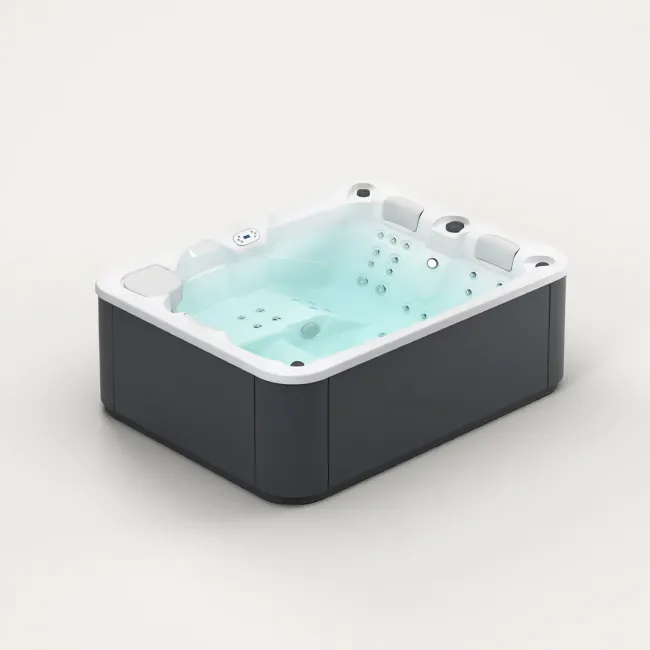
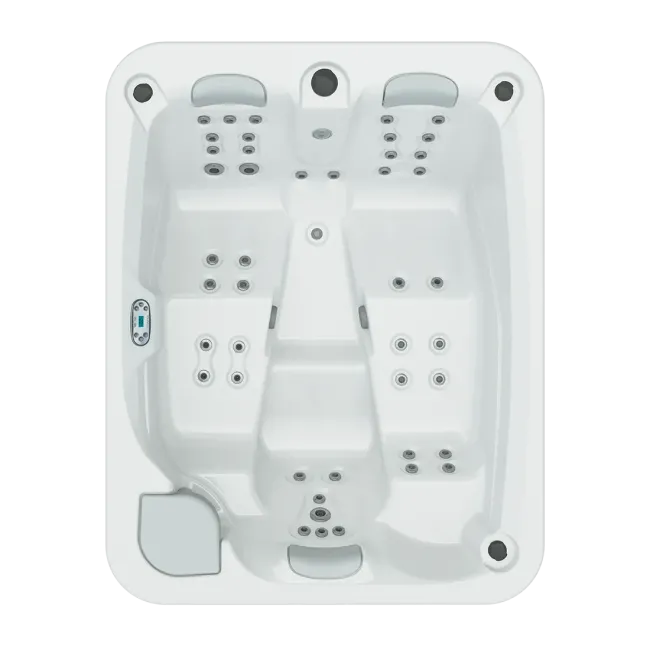
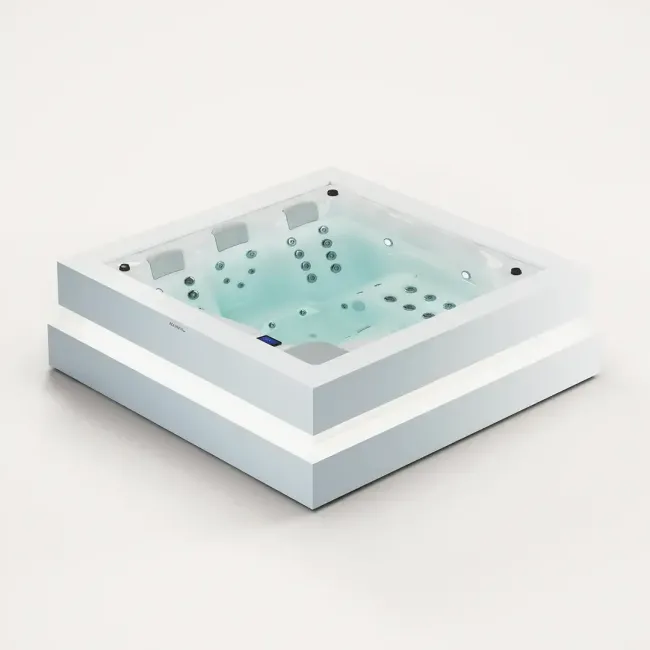
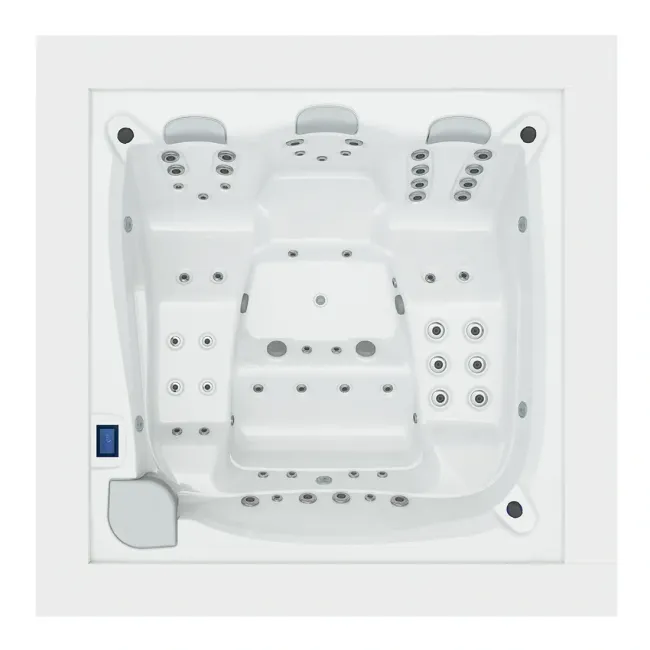
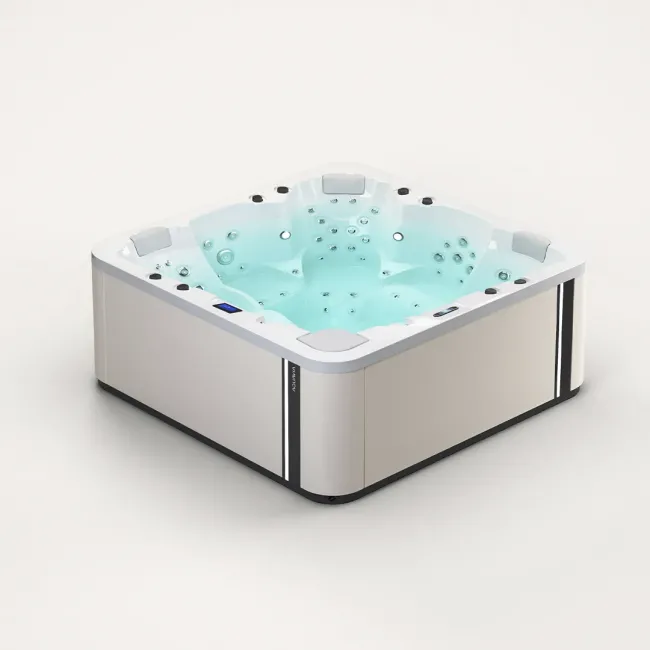
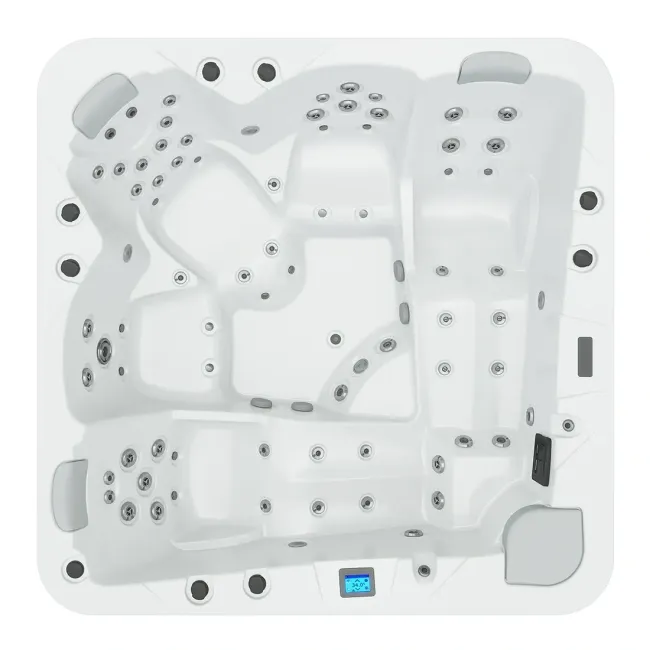
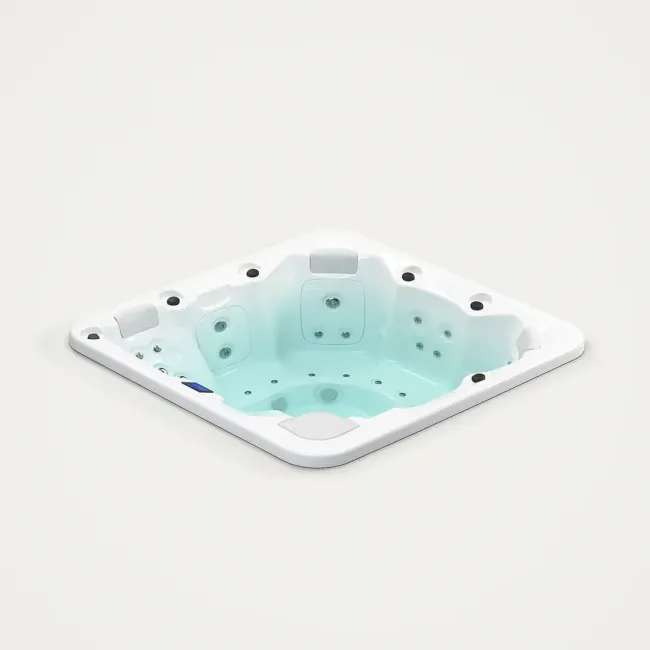
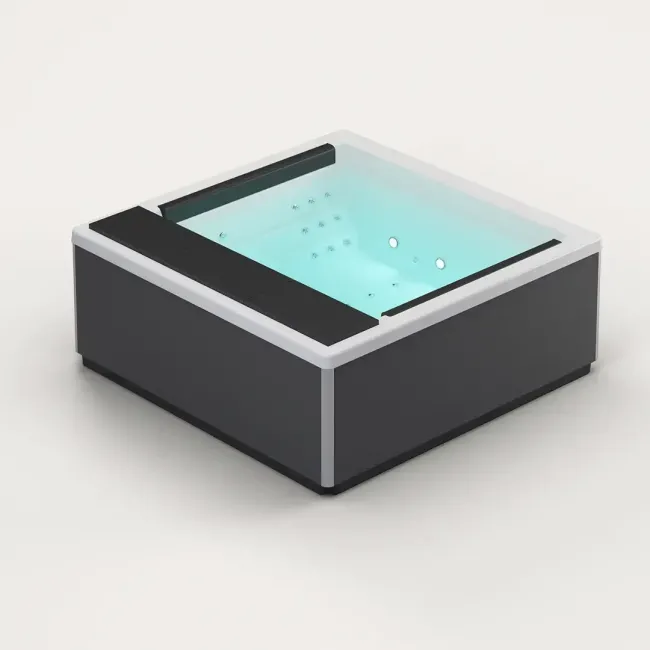
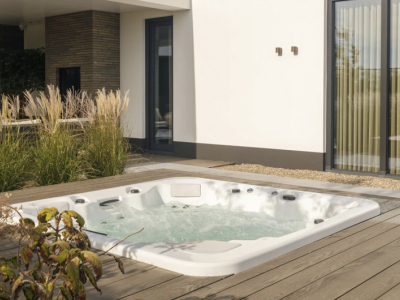
For occasional use, models like the Spa Pulse or the Cube Ergo offer a comfortable experience with enveloping jets, ideal for a post-workout spa focused on relaxation and overall unwinding. Their ergonomic design and ease of use make them an excellent entry point into the world of home spas for athletes, while also aligning with a wellness-oriented jacuzzi sales strategy.
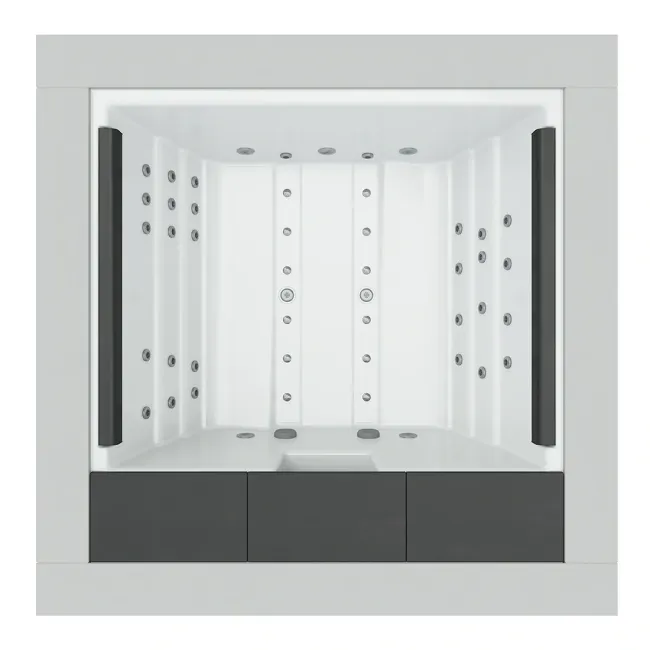
For regular athletes, more technical models like the Quantum Spa or the Sundown Spa incorporate more powerful and targeted sports massage jet configurations. These spas allow you to precisely work the areas you're using (back, legs, shoulders), thus optimizing hydrotherapy for muscle recovery and enhancing the benefits of a sports spa after each session.
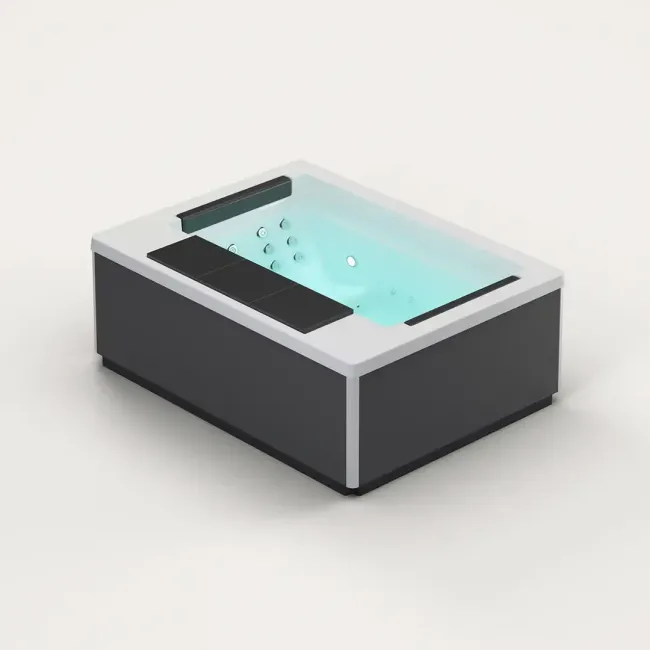
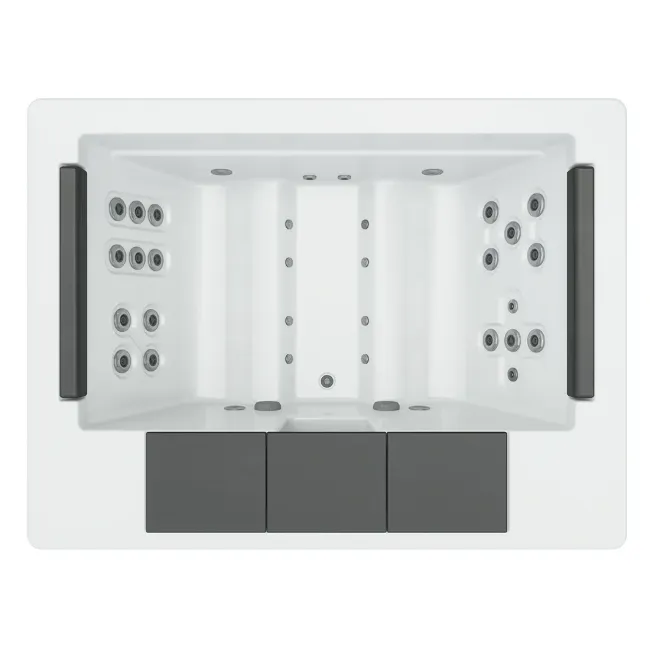
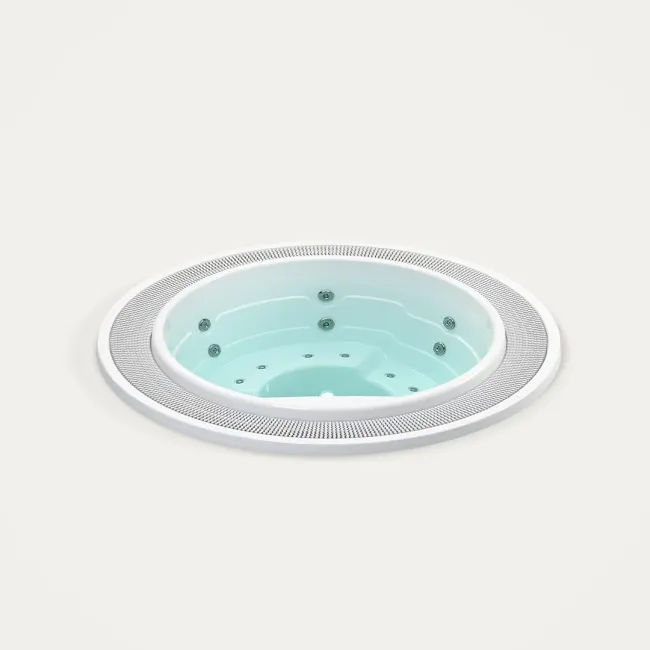
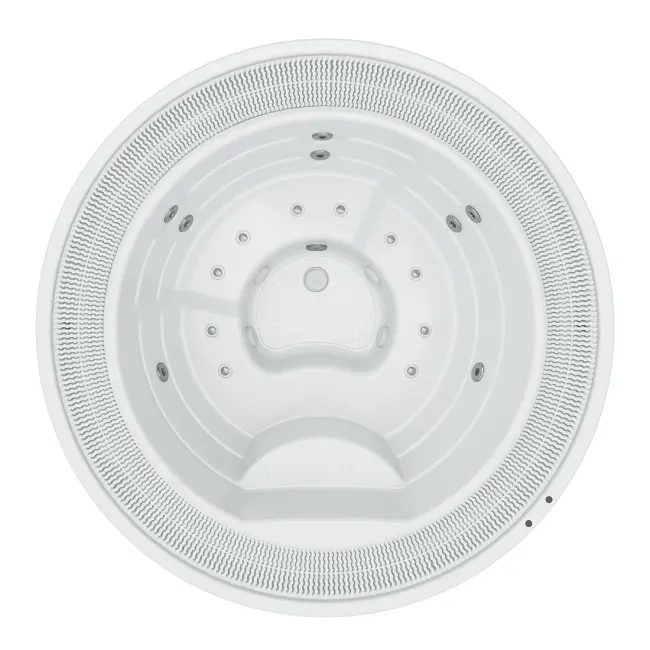
Athletes and discerning users will find a complete solution in Aquavia swim spas, such as the Swimspa Amazon or the Swimspa Duo . These systems combine counter-current swimming with a relaxation area, perfectly meeting the needs of sports swim spa recovery . They allow for seamless transitions between intensive training and post-exercise jacuzzi relaxation in the same environment, with a high level of customization.
Finally, to complete an advanced recovery routine, the Aquavia Cold Plunge is a strategic addition. Alternating between cold water and a warm outdoor jacuzzi stimulates blood circulation, reduces inflammation, and accelerates muscle regeneration. This approach, increasingly used in elite sports, positions Aquavia as a key player in the sports performance wellness spa market, capable of offering a complete experience from performance to recovery.
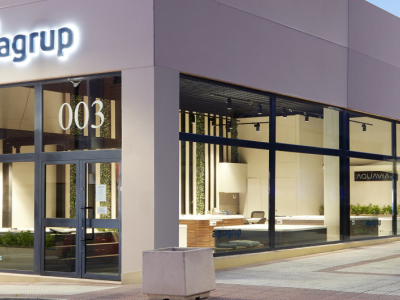
Want to try before you buy? Visit an Aquavia showroom near you and experience it for yourself.