es
 fr
 de
 nl
 en
 it
 pt
 ro
 sv
 ru
 hr
 da
 si
 pl
 no
 cs
 fi
 el
 sr
 sk
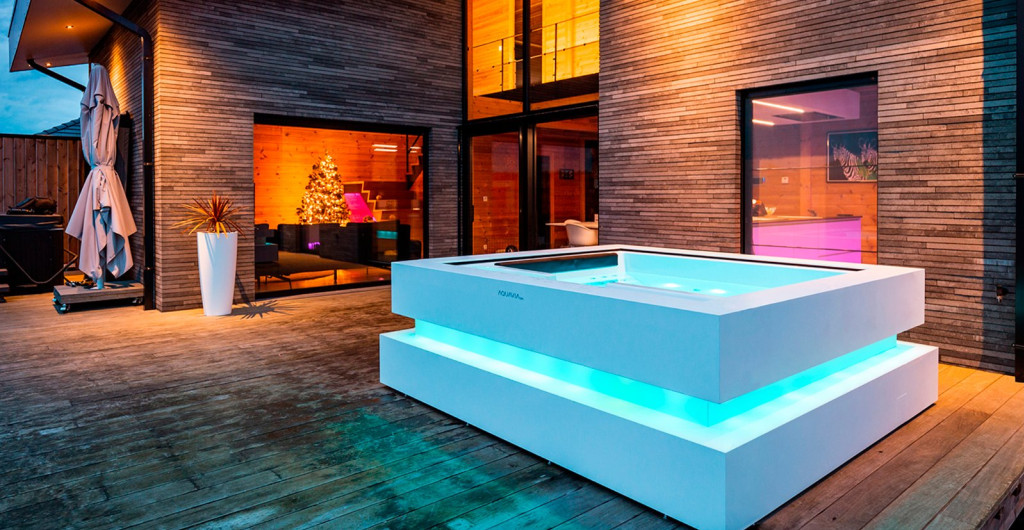
What is a rigid hot tub and its key features
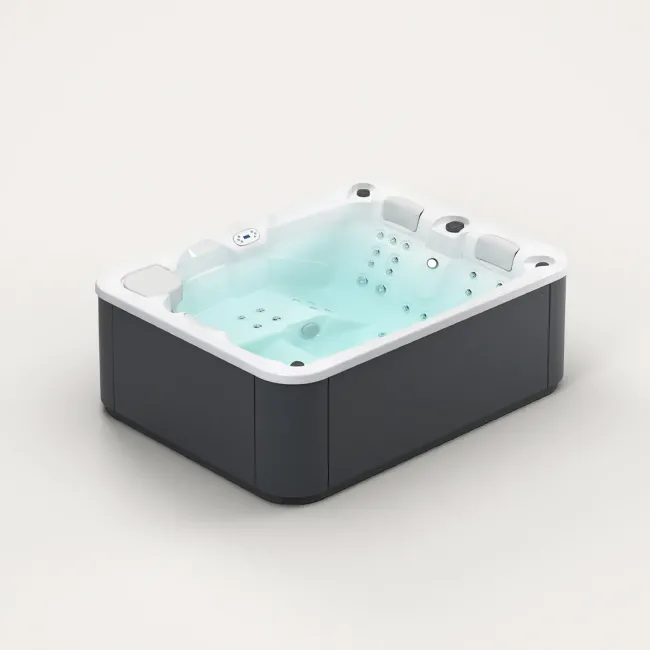
A rigid hot tub is a permanent or semi-permanent spa built around a solid acrylic shell supported by a structural frame. Unlike a portable inflatable tub, it is conceived as a lasting installation, with integrated seating, filtration, heating and dedicated hydrotherapy jets.
For anyone planning to buy a hot tub for regular home use, the main advantages are seating ergonomics, massage performance and the range of sizes and layouts. A rigid shell can accommodate shaped loungers, footwells and several massage zones, with the equipment housed in a cabinet or integrated into an architectural surround.
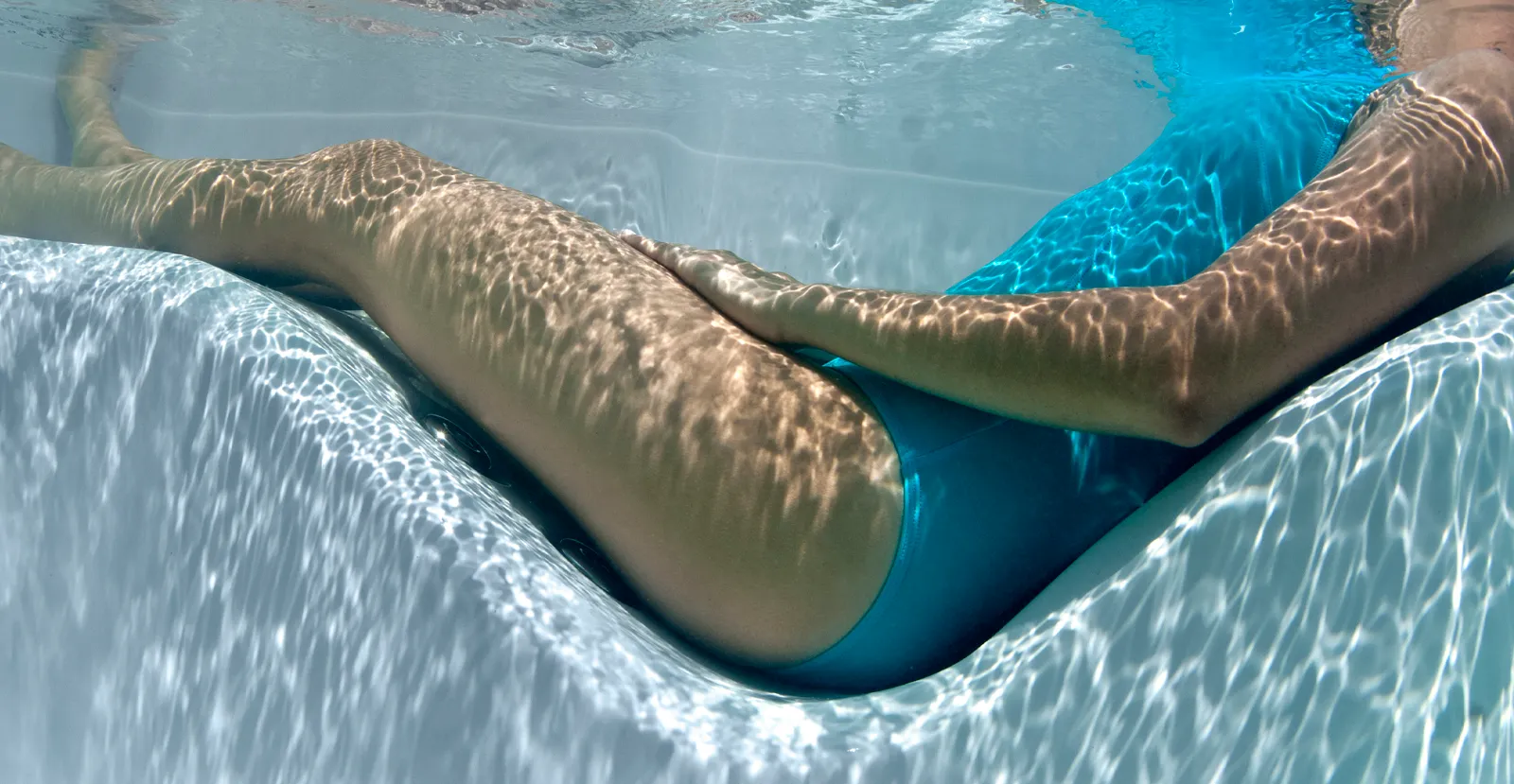
Inflatable hot tubs explained: pros and cons
Inflatable hot tubs use a flexible, air-supported body and are usually supplied as a package with an external pump and heater. Their main appeal is a lower initial outlay and a relatively simple setup, provided there is a level, load-bearing surface and a suitable electrical supply.
They can work as an entry point for occasional warm-water soaking, for instance to test how much you would use a hot tub before committing to a larger purchase. Some units can be packed away, although cleaning, drying and storing them properly still takes effort.
Their limitations are worth weighing for regular use. Inflatable walls offer less structured seating and fewer specialised massage positions, and many models create a general bubble effect rather than the targeted water massage of dedicated hydrotherapy jets. The material is also more exposed to puncture and wear, and heating and insulation performance varies considerably between products.
Do not assume that a lightweight empty inflatable spa is suitable for every balcony or terrace. Once filled, the water and bathers add a substantial load, and safe electrical connections, drainage and local installation requirements still need attention.
Rigid hot tub vs inflatable: main differences
When you compare rigid and inflatable hot tubs, look beyond shape and advertised capacity. An inflatable model prioritises a low barrier to entry and easy removal; a rigid spa is designed as a long-term feature of the home, with the comfort, performance and finish that regular use demands.
Massage and comfort. A rigid spa offers moulded seats and loungers with jets directed at different muscle groups, so each position delivers a purposeful massage. Inflatable models generally provide a more general bubble experience.
Insulation and running costs. Energy use depends on climate, water volume, heater efficiency, target temperature, use and local tariffs, but insulation is the factor that can be designed in from the start. Rigid spas can incorporate dedicated thermal systems such as EcoSpa insulation and a thermal insulation cover, which help retain heat and keep running costs under control over time. Compare the technical data of each model with your expected usage.
Durability and repairs. Both categories require maintenance. A rigid spa combines an acrylic shell with a reinforced structure and accessible, replaceable components, which supports a long service life and straightforward servicing, whereas an inflatable spa depends more on material quality and conditions of use. Check the warranty and spare-parts policy of any model you consider.
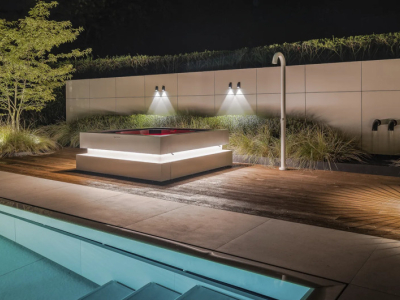
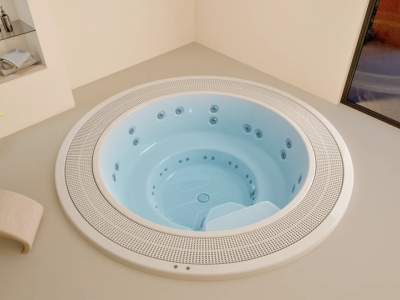
Appearance and personalisation. Aquavia Spa rigid hot tubs can be tailored to their setting: a choice of acrylic shell colours, cabinets in different finishes such as Woodermax, and optional extras such as Colour Sense chromotherapy lighting and Bluetooth audio. They can be installed freestanding or built-in to decking and patios, and used outdoors or indoors. Inflatable products are practical, but their design options are more limited. Whichever you choose, leave access for servicing.
Choosing the right size: 2-person hot tub and larger models
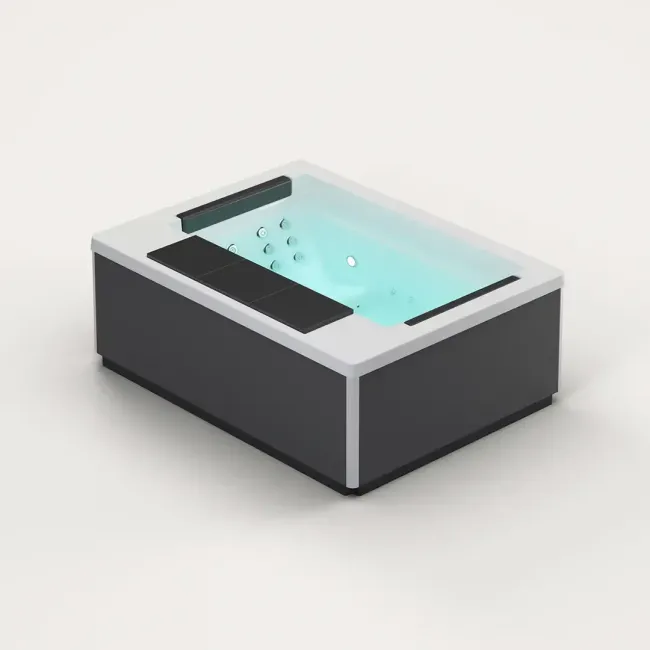
A 2-person hot tub is an excellent solution for couples, but examine the real seating arrangement rather than relying on a general capacity label. Two loungers create a different bathing experience from two upright seats, and the dimensions of the cabinet matter as much as the number of places. The Aquavia Spa Touch offers two loungers and one additional seat. Its compact footprint suits spaces where floor area is valuable, although enough room must remain for installation, access and maintenance.
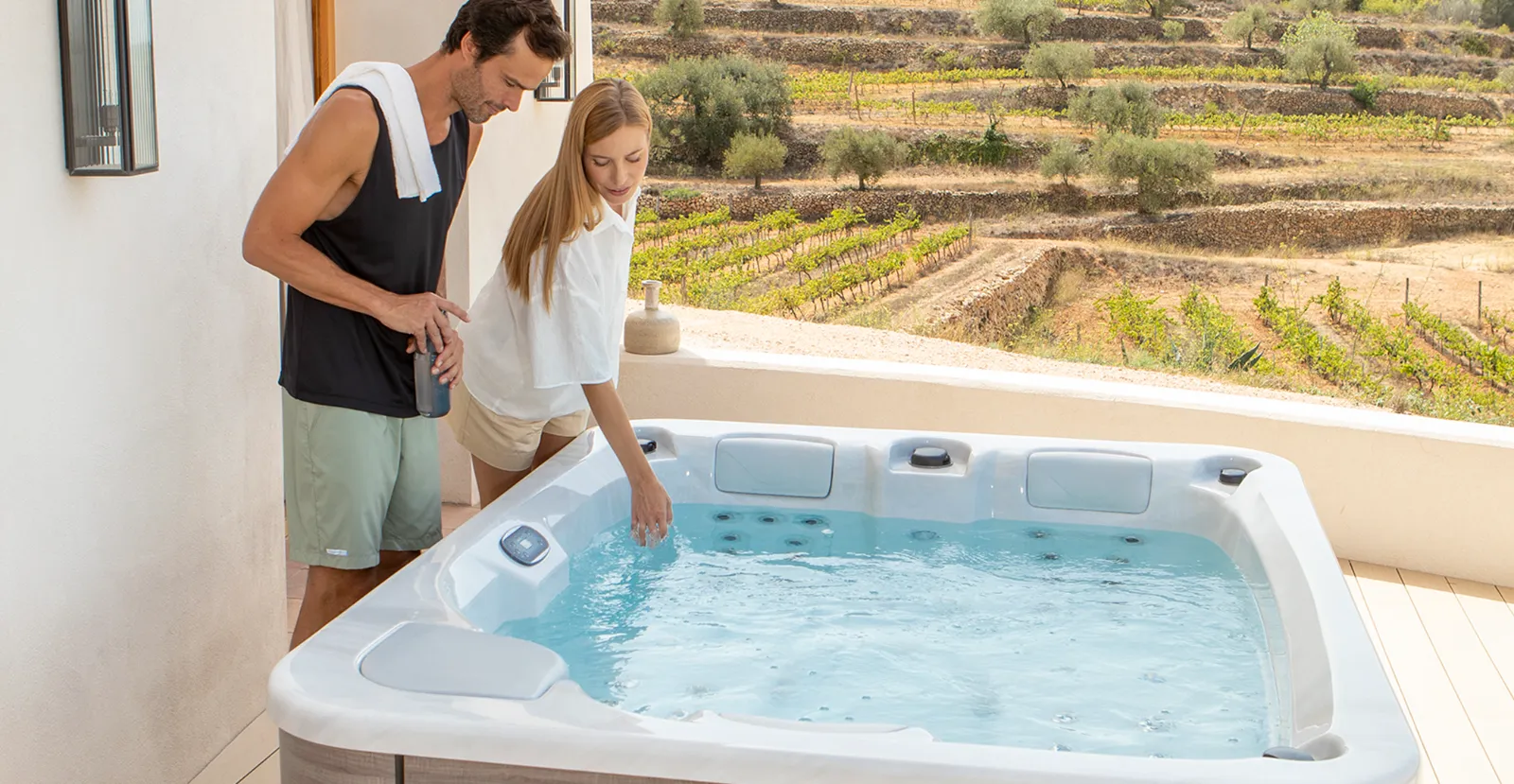
Buyers can compare it with other Aquavia Spa designs to decide whether a larger family layout is preferable. If several people will use the tub at the same time, consider the available sitting positions, footwell space and whether the massage circuit delivers the experience each user wants. More seats do not always mean more personal space, so check the internal layout and, where possible, try the model before buying.
Finally, make sure the intended base can support the complete filled weight. For decking, balconies and raised terraces, obtain a structural assessment rather than estimating the load from the empty unit alone.
Jacuzzi for sale vs hot tub for sale: price and quality comparison
Searches for jacuzzi for sale and hot tub for sale frequently produce overlapping results, but the terms are not strictly identical. Jacuzzi is also a registered brand name, whereas hot tub is the broader product category. A listing should therefore be evaluated on the actual manufacturer, model and specification, not on the wording of the search result.
An inflatable tub will often cost less upfront, while a rigid spa is a larger but longer-term investment. Purchase value also includes installation, electrical work, accessories, delivery, maintenance materials, service availability and component replacement, so request an itemised quotation when comparing options.
Quality is not measured by price alone. Compare construction, comfort, massage performance, thermal design, cover quality, controls, warranty terms and after-sales support. Check whether features are standard or optional: for example, some energy-saving systems and connectivity features depend on the model and configuration.
A well-chosen rigid spa makes sense for those who expect to use it for years and value regular massage, comfort and design. An inflatable spa can be a reasonable choice for occasional use on a tighter budget. Rather than relying on generic lifetime-cost claims, ask for comparable, model-specific figures.
Maintenance and installation tips for rigid and inflatable hot tubs
Every hot tub requires water hygiene. Follow the manufacturer's instructions for filtration, disinfectant levels, pH monitoring and cleaning. Water that looks clear is not necessarily correctly balanced, so test it regularly and act on the measured values rather than adding chemicals by guesswork.
For either product, choose a flat, stable location that supports its full operating weight. Check access around the tub, safe drainage and a compliant electrical connection. Never use unsuitable extension leads or improvise electrical work near water; a qualified installer should confirm the requirements for your specific model.
With a rigid spa, leave access to pumps, controls and service panels, use the thermal cover correctly and clean the filter according to the maintenance schedule. The Aquavia Spa range offers different equipment choices, so always follow the instructions for the exact configuration purchased.
For frequent, year-round use, a rigid hot tub is the natural choice for those who value massage quality, comfort and design. An inflatable product can be enough for temporary or occasional use. The key is to choose the one that fits how you will really use it.
Request a quote for your rigid hot tub

If you are planning a longer-term home wellness space, explore Aquavia Spa hot tubs and request a quote for a model matched to your space, preferred seating layout and frequency of use. Include your installation location and available dimensions so the recommendation can address both comfort and technical feasibility.