es
 fr
 de
 nl
 en
 it
 pt
 ro
 sv
 ru
 hr
 da
 si
 pl
 no
 cs
 fi
 el
 sr
 sk
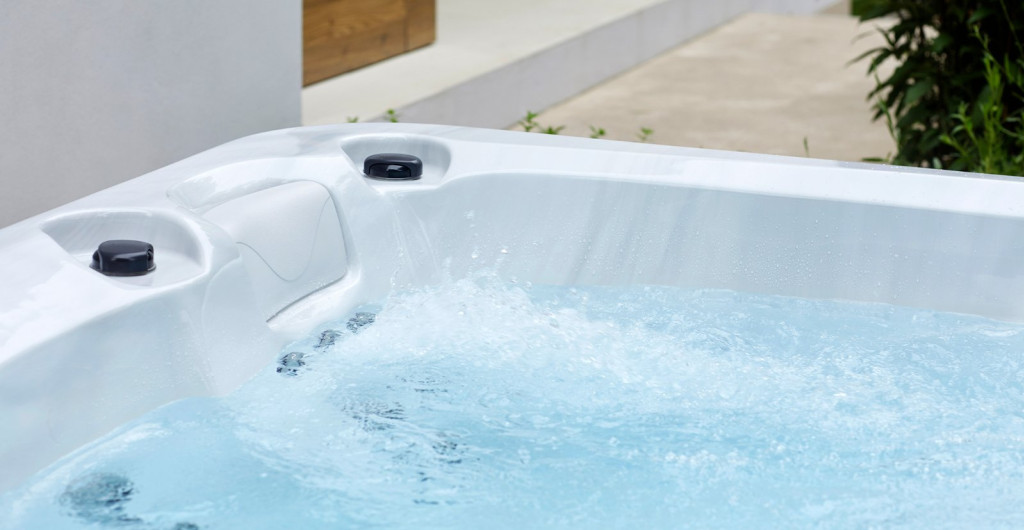
If a layer of foam appears and won't go away when you switch on the jets of your hot tub, the water is telling you that something isn't right. In this guide we explain why foam forms and how to get rid of it step by step, from diagnosis to prevention.
Step 1: Identify the cause of the foam
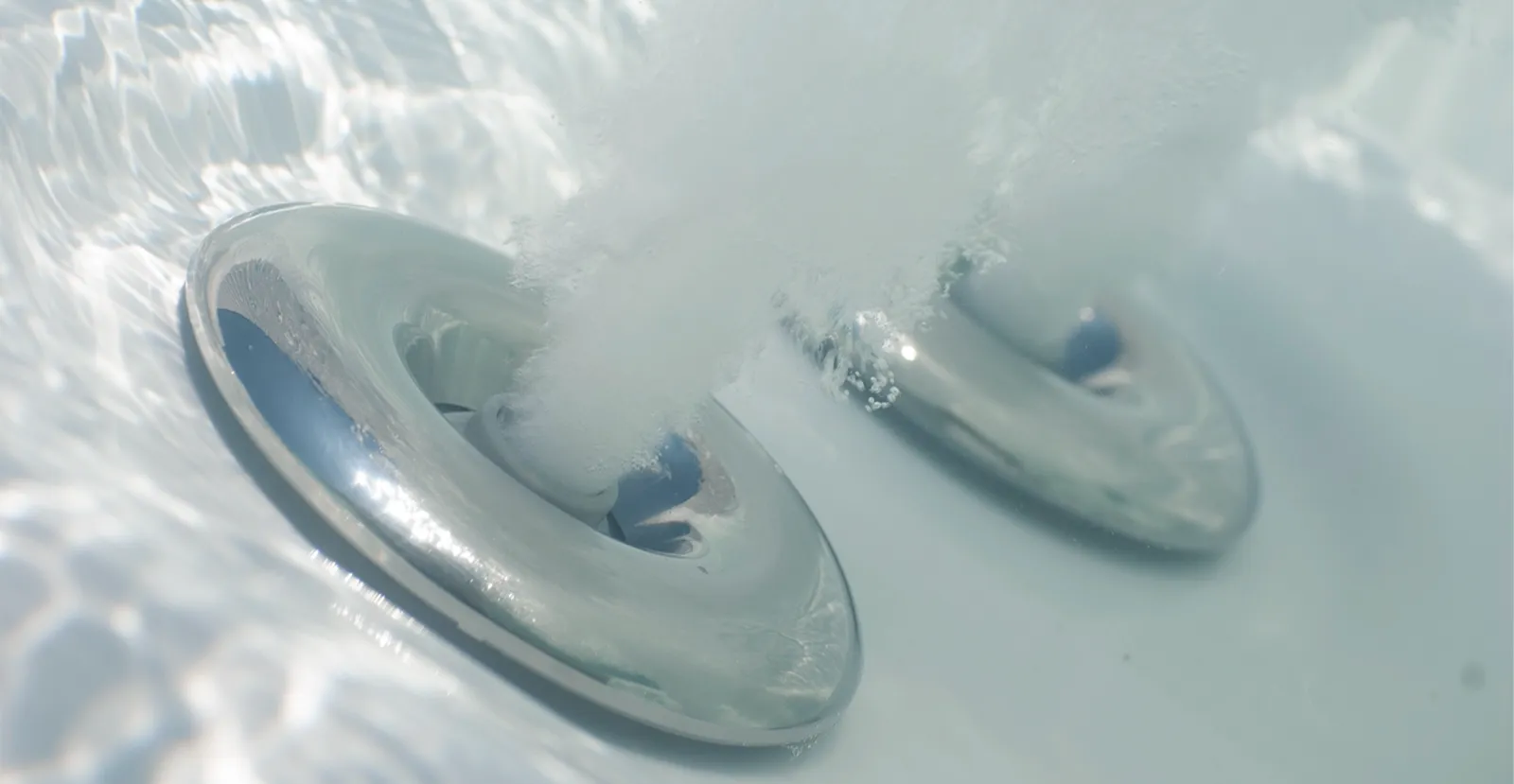
Foam in the hot tub usually appears when substances in the water build up at the surface and the agitation of the jets creates persistent bubbles. It should not be confused with the normal bubbles of the hydromassage, which disappear within a few seconds when you switch off the jets.
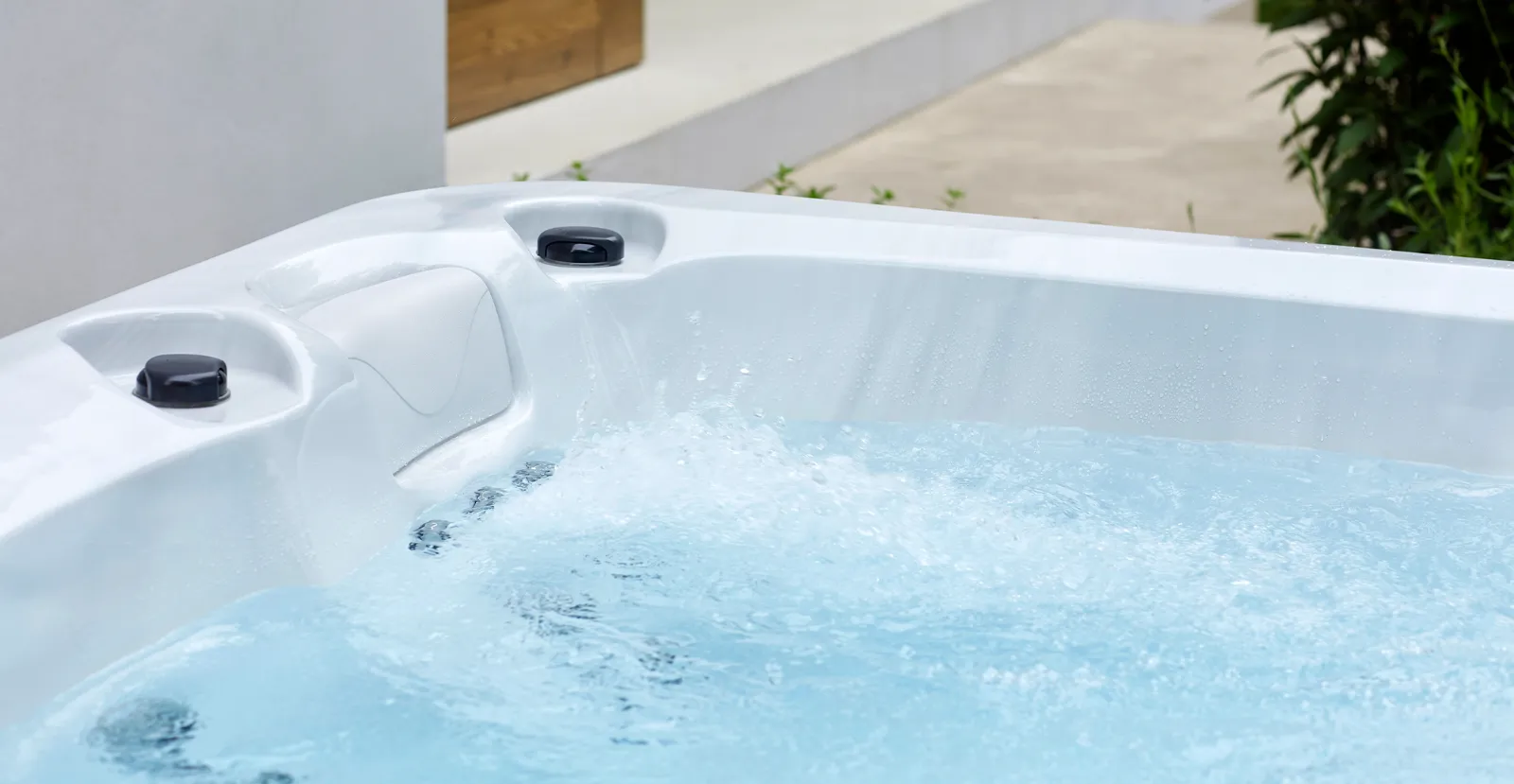
Common causes include residues of sun cream, cosmetics, body oils, sweat and detergent from swimwear. Insufficient sanitisation, a chemical imbalance, dirty filters or water that has built up too many dissolved residues after weeks of use can also play a part.
If you are wondering why your hot tub is foaming, notice when it happens: after several bathers have been in, when the pumps are switched on or even without recent use. Foam accompanied by an unpleasant smell, a slimy feel or cloudy hot tub water calls for a more thorough check of the water treatment and filtration.
A simple test: switch off the jets and let the water settle for a few minutes. Without agitation, the foam tends to break down on its own. If it reappears straight away when you switch the pumps back on, the substances causing it are still in the water and you will need to correct it with the following steps.
Step 2: Test the water with test strips
Before adding any products, measure the pH, total alkalinity and the level of the sanitiser you use. Use suitable test strips or a reliable testing device, follow their instructions and compare the results with the guidance from the manufacturers of the products and of the hot tub.
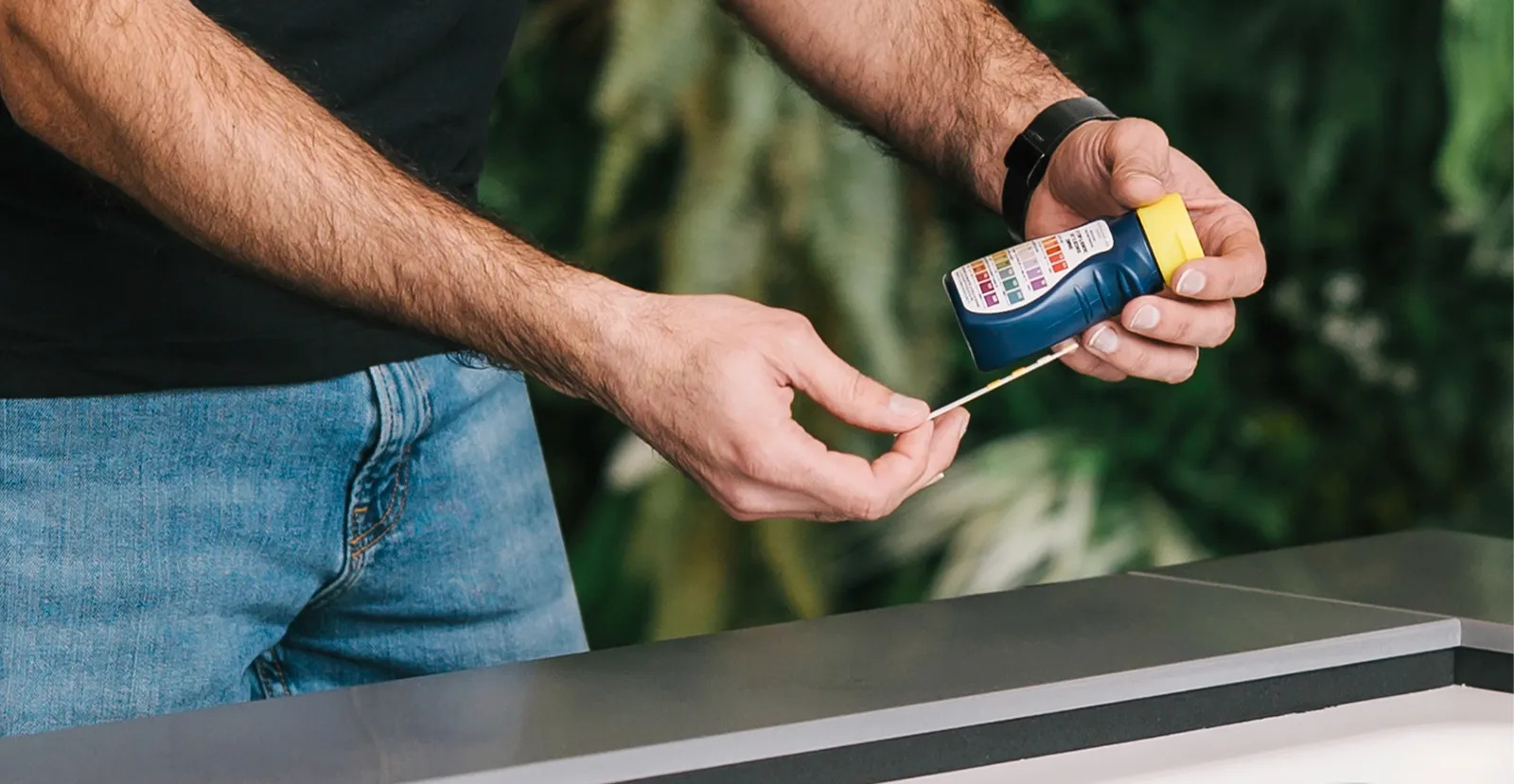
To carry out this process correctly, you can watch our video on how to test your hot tub water with test strips, where you will find a visual guide to help you check the water.
As a general reference, many treatment systems work with a pH of around 7.2–7.6, but the ranges specified for your equipment and sanitiser should always take priority. Alkalinity helps to stabilise the pH. A sanitiser level outside the range can reduce the hygienic quality of the water even if it looks acceptable.
Note down the readings before and after any correction and do not use the hot tub until the parameters are back within the recommended range.
Step 3: Correct the alkalinity and pH and, if necessary, shock the water
If the readings show an imbalance, correct the total alkalinity first and then the pH: with alkalinity in range, the pH is more stable and easier to adjust. Do it gradually, using products suitable for the installed treatment system and without guessing the dose. Follow each manufacturer's instructions, test again and let the water circulate for the recommended time between corrections.
When there is a high organic load (for example, after heavy use with many bathers), a shock treatment compatible with your usual sanitiser may be needed. Not all products and technologies combine in the same way. Stick to the stated dose, leave the cover open for as long as the product recommends so it can ventilate and wait the specified time before bathing.
Never mix chlorine, bromine, pH adjusters or other concentrated chemicals directly. If you are unsure about compatibility or the right concentration, ask a maintenance professional.
Step 4: Clean or replace the filters
The filter traps particles and some of the residues circulating through the system. When it is clogged, filtration becomes less effective and the water can start to look worse. Remove the cartridge following your hot tub's procedure, rinse it and use a dedicated filter cleaner where appropriate.
Do not use household detergent or soap to wash the filter: their residues can become a new source of foam. Replace the cartridge if it is deformed, damaged or no longer works properly after cleaning.
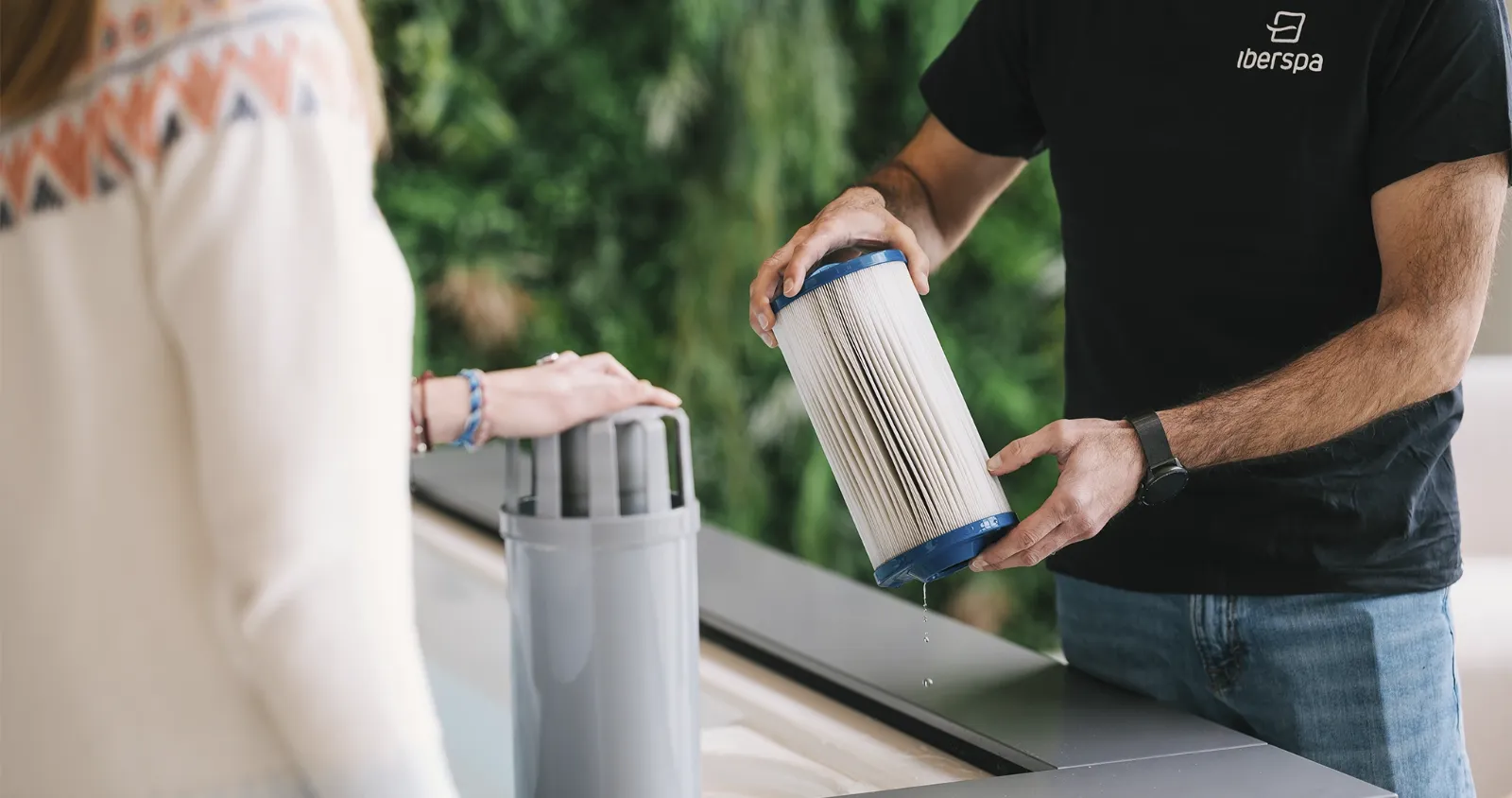
Also check that the filtration cycles are suited to how often the hot tub is used. A hot tub used daily or by many people usually needs more attention than one used occasionally.
Step 5: Remove surface debris and use anti-foam only if needed
With the jets switched off, use a net to remove leaves, hair, insects or other floating particles. The net won't remove the foam, but it does stop that debris ending up in the filter. For cream and oil residues, place an absorbent hot tub sponge on the surface or in the skimmer: it is designed to pick up the greasy film that helps foam to form.
If you still need to reduce visible foam immediately, for example before using the hot tub, a compatible hot tub anti-foam can help temporarily. Only use it if it is intended for hot tubs and follow the manufacturer's dosage. It is no substitute for sanitising, cleaning the filters or changing the water.
Overdosing leaves residues in the water and can make the problem worse. If you find yourself needing anti-foam frequently, it is better to investigate the cause rather than keep dosing: the lasting solution is to reduce contaminants and restore the water balance.
Step 6: Drain and refill the water if the foam persists
If you have corrected the parameters, cleaned the filter and reduced contaminants but the foam keeps coming back, the water may have built up too many dissolved substances. In this case, a partial or complete water change, depending on the condition of the water and the manufacturer's guidance, may be the most effective measure.
Before draining it, disconnect the hot tub from the power supply and follow the manufacturer's draining procedure. Take the opportunity to clean the surfaces with products suitable for hot tubs and, if your equipment requires it, carry out the specific cleaning of the plumbing. Rinse thoroughly so as not to leave any cleaner residue, which can also cause foam.
After refilling, restart the filtration, balance the parameters and check the sanitiser before using the hot tub. How often you should change the water depends on the volume of the hot tub, the number of bathers and the test results; your equipment manual will give you a starting point.
Step 7: Stop it coming back: shower first, filtration, ozone and UV
The best strategy to avoid hot tub foam is to stop contaminants getting in. Shower before bathing, rinse swimwear with water only, without detergent or fabric softener, and limit the use of creams and oils just before getting in. Keep the cover clean and closed when the hot tub is not in use.
Check the pH and sanitiser regularly, clean the filters and adapt the filtration cycles to actual use. Complementary treatment systems, such as ultraviolet light, can help maintain the water when they are installed, but they do not replace monitoring the residual sanitiser required by the system.
Ozone, where it is part of the equipment, is also a complementary technology: it should not be assumed that every model has it. Check your hot tub's specifications and its specific maintenance programme before changing your routine.
For more practical information, see our hot tub maintenance tips. A simple, consistent routine is usually more effective than resorting to emergency fixes every time foam appears.
Frequently asked questions about hot tub foam
Does foam always mean the water is contaminated?
Not necessarily: it can be caused by residues of cosmetics or detergents. However, if it keeps appearing, you need to check the sanitisation and the general condition of the water.
Can I get in after adding anti-foam?
Follow the product instructions and, above all, check that the pH and sanitiser are within the bathing range. Anti-foam on its own does not guarantee that the water is safe.
How do I get rid of hot tub foam without draining it?
First identify the cause, test the water and correct its parameters, clean the filter, remove surface debris and use a compatible anti-foam only if necessary. If the problem persists, consider changing the water.
Why does foam appear as soon as I switch on the jets?
The agitation draws in air and makes the surfactants in the water visible (residues of soap, shampoo or detergent). If the bubbles disperse quickly when you switch off the massage, it may simply be normal operation.
Need advice?
If the foam persists or you need guidance on water treatment, contact Aquavia Spa or your dealer for advice tailored to your equipment.