es
es fr
fr de
de nl
nl en
en it
it pt
pt ro
ro sv
sv ru
ru hr
hr da
da si
si pl
pl no
no cs
cs fi
fi el
el sr
srWhen you buy a spa , you're naturally concerned about the cost of the spa itself and its impact on your energy bill. However, several factors can be considered when purchasing a spa to minimize these costs. These include insulation, such as Ecospa or Nordic Insulation systems, the cover (which is already included in all standard Aquavia spa models), pump power consumption (the more pumps, the higher the electricity consumption), and, of course, the energy consumption of the spa's heating system. In this article, we'll focus on this last point and see how a heat pump can affect your spa 's energy consumption , as well as how you can take advantage of this new technology in spas to maximize their energy efficiency.
Advantages of a heat pump for your spa
It's great that you want to install a heat pump in your spa. Here are some of the benefits you can expect:
- Constant temperature: With a heat pump, you can maintain a constant water temperature in your spa, regardless of changes in air temperature. This allows you to enjoy your spa at any time, in complete peace of mind.
- Energy savings: Heat pumps are very energy-efficient compared to other spa heating systems. This efficiency can help you significantly reduce your energy bill in the long run, as they consume less electricity to maintain the desired temperature.
- Convenience: Thanks to the rapid heating capacity of heat pumps, you won't have to wait long to enjoy your spa. You can enjoy a pleasant and relaxing experience without having to wait hours for the water to reach the right temperature.
- Durability: Heat pumps are designed for durability and to withstand various weather conditions. They can withstand frequent use and maintain optimal performance for many years, making it a long-term investment in your spa.
- Low maintenance: In general, heat pumps require little maintenance. This means you can enjoy your spa without constantly worrying about the operation and upkeep of the heat pump.
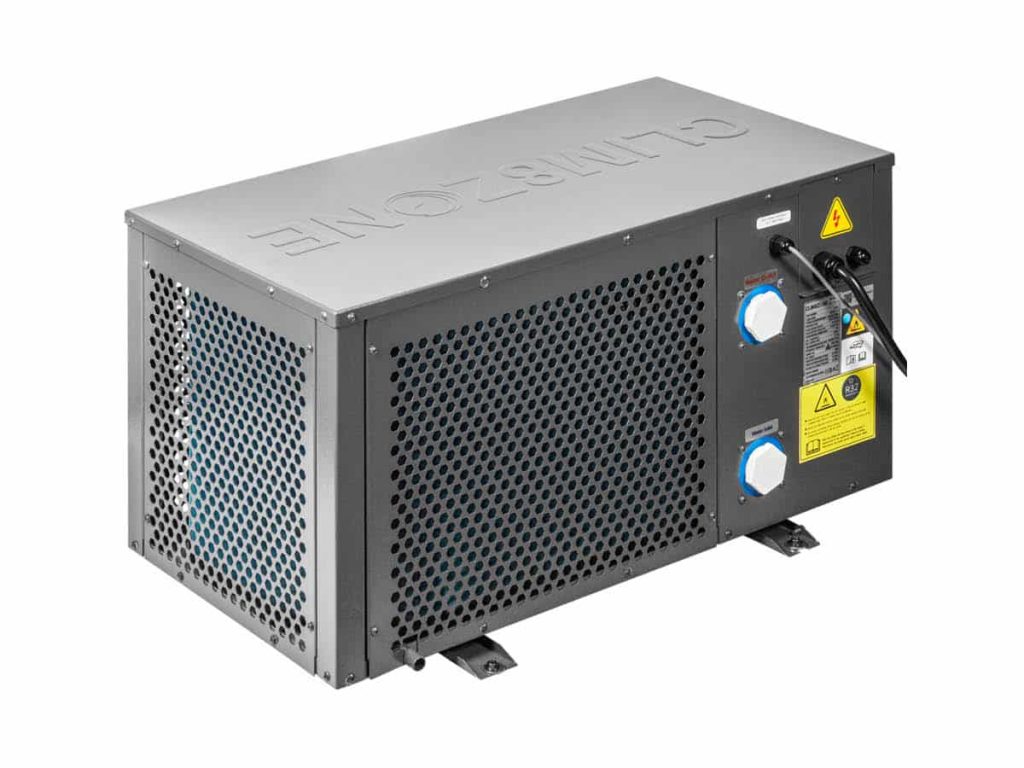
In summary, installing a heat pump in your spa allows you to enjoy a constant temperature, save energy, have a comfortable experience, have a durable system and benefit from reduced maintenance.
At what point will I start saving money by installing a heat pump in my spa?
The energy savings achieved by using a heat pump compared to a 3 kW electric heater to heat spa water can vary depending on several factors, such as the pump's efficiency, the ambient temperature, and the frequency of spa use. Generally speaking, a heat pump is estimated to save between 50% and 70% on energy compared to a 3 kW electric heater. This is because the heat pump uses energy from the outside air to heat the spa water, while an electric heater directly converts electrical energy into heat. It's important to consider that the initial investment for installing a heat pump may be higher than that of an electric heater. However, in the long run, the energy savings can offset this difference in initial cost. Furthermore, heat pumps typically have a longer lifespan and require less maintenance than electric heaters, resulting in additional long-term savings.
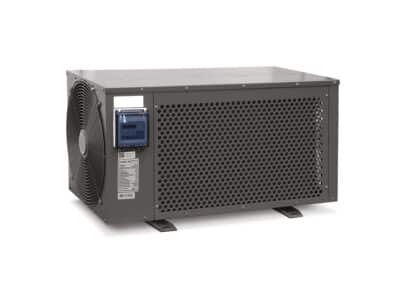
To assess the savings that can be achieved by using a heat pump compared to an electric element to heat spa water, several factors must be considered. These include the cost of electricity, the efficiency of the pump, the ambient temperature, and the frequency of spa use. Here is a general formula you can use as a reference to calculate the savings in euros:
- Savings in euros = (Energy consumed by the heating element - Energy consumed by the heat pump) x Electricity price
How much will I save by installing a heat pump in my spa?
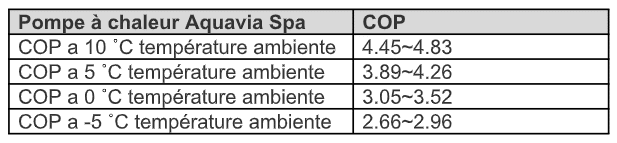
Aspects to consider
- The heat pump for Aquavia spas is perfectly integrated into the spa's control panel, allowing you to have convenient control directly from your own spa.
- The Aquavia spa pump has the ability to heat or cool the spa water, adapting to your preferences and needs.
- The maximum power of this pump is 5 kW, which guarantees optimal performance in regulating water temperature.
- The average savings that can be obtained with this pump range from 50 to 70%, depending on external factors such as climatic conditions and the level of insulation of the spa.
- It is important to note that all Aquavia spas equipped with a pump also have an additional electric heating element which activates in extremely low temperatures, thus ensuring that the water is always warm and comfortable.
- If you wish to install a pump in your existing spa, we recommend that you use a specialist installer, as certain hydraulic and electronic adjustments are necessary to ensure a correct installation.
- Pump maintenance is relatively simple, but it is recommended that a qualified technician perform an inspection and maintenance at least once a year to ensure safe and efficient long-term operation.