es
 fr
 de
 nl
 en
 it
 pt
 ro
 sv
 ru
 hr
 da
 si
 pl
 no
 cs
 fi
 el
 sr
Wellness tourism already generates more than $2 trillion annually, according to McKinsey, and the Global Wellness Institute predicts that spending on wellness travel will reach $1.4 trillion by 2029. Behind this figure lies a fundamental shift: more and more people are traveling not to rest, but to feel better. A recent article in El Español uses the term that describes this change: " bienser" (wellbeing ).
What is well-being?
According to the article, well-being focuses on the environment—the place, the service, the comfort—while well-being begins with an inward look before looking outward. It's a distinction still open to nuance, but it connects with something the international wellness tourism sector has been documenting for months under other names: recovery, nervous system reset, longevity , or privacy understood as a luxury. The common thread among them all is the same: well-being ceases to be a service that is consumed and becomes a habit that is built, inside or outside the home.
Why is wellness tourism growing?
The article points to several factors behind this shift: a social context that many travelers describe as turbulent, a growing environmental awareness, the need for a technological reset, an interest in connecting with local culture, and a renewed interest in spirituality. A VICE survey cited in the article points in the same direction: 65% of Generation Z say they would like to live in a less technology-driven era, without social media or constant connectivity.
This same search for disconnection explains why more and more people don't wait to book a retreat to apply it: they want it available in their own space, on a recurring basis, not as an annual break.
The five profiles of wellness travelers
The article distinguishes five traveler profiles within this trend:
- Conscious explorers (25-35 years old) : creative and freelance profiles who travel in search of self-knowledge.
- Professionals with burnout (35-50 years) : executives seeking to reduce accumulated stress.
- Spiritual seekers (40-65 years old) : mostly women interested in alternative therapies.
- Ecofamilies (35-55 years) : families that combine well-being and sustainable values.
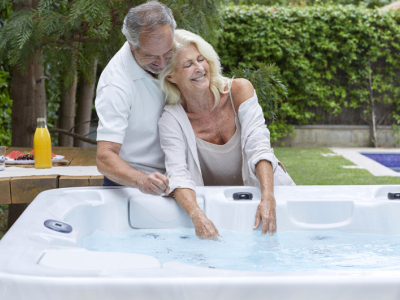
- Active seniors (60-75 years) : with time and resources to focus on more holistic health.
They are different profiles in age and motivation, but they coincide on one point: they all seek their own space to maintain the habit between one trip and the next, whether it is a home hot tub in the garden, the terrace or inside the house.
From anti-aging to well-aging: a longer-term perspective
The article positions wellaging as the evolution of antiaging, and the Global Wellness Institute confirms this from another angle: among its ten wellness tourism trends for 2026 it includes longevity travel , focused on clinically backed programs and post-trip follow-up, whose objective is no longer to look younger, but - in the words of the report itself - "to feel stronger for longer."
What do international trends say about the nervous system reset?
The Global Wellness Institute dedicates one of its ten 2026 trends directly to this: the nervous system reset , a shift from performance-oriented wellness toward practices focused on calming the body—breathing, slow movement, sound, nature, and digital detox. Two other trends in the same report point in the same direction.
From sports recovery to everyday well-being
The trend the report calls "urban recovery travel" describes short stays, of 48 to 72 hours, focused on reducing physical and mental exhaustion through recovery technology, movement, nutrition, and rest. Applied to daily life, this same principle—brief but frequent sessions—is what underpins the actual use of a home hot tub : not a once-a-month ritual, but several times a week.
Silence and space as a luxury
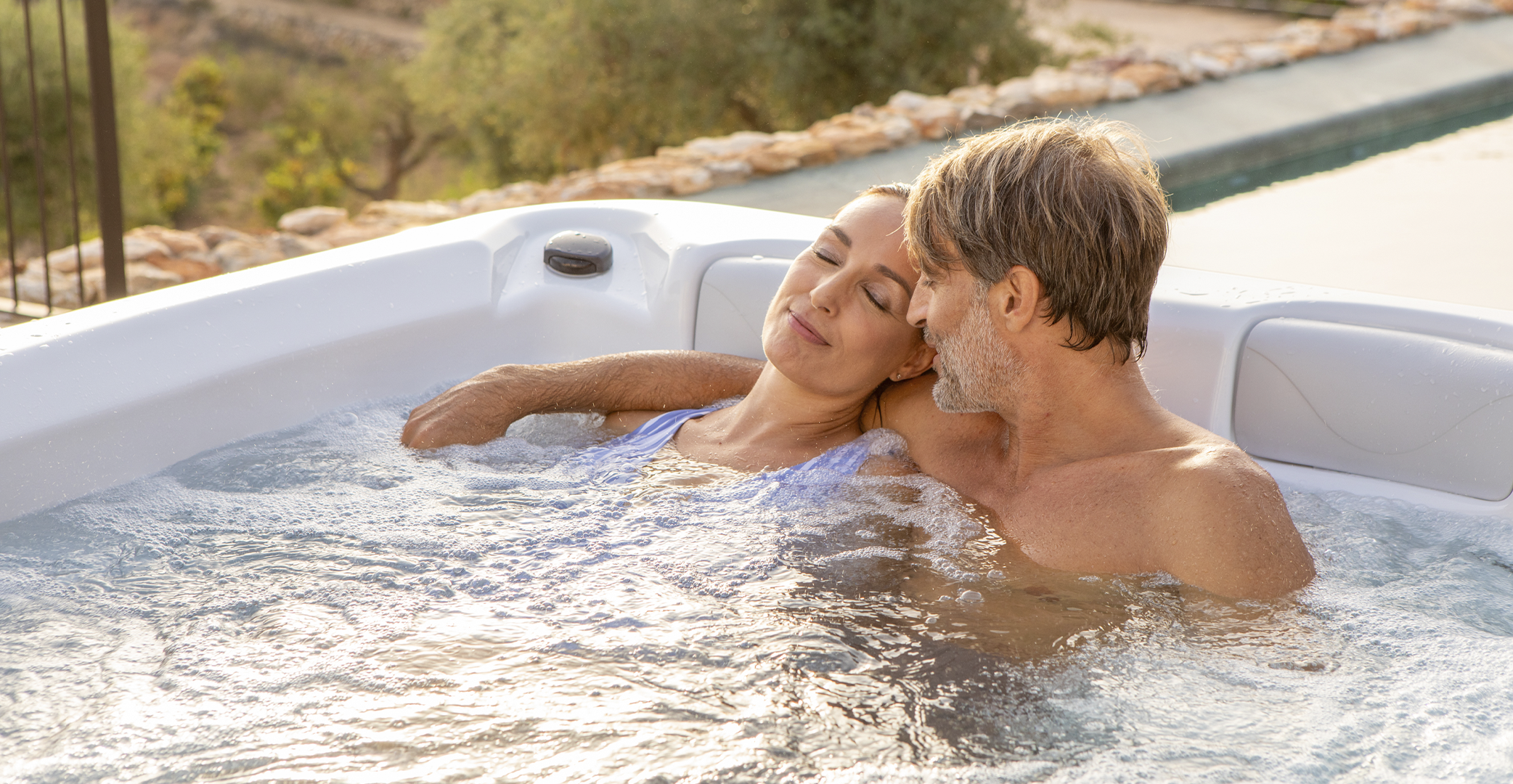
Another trend in the report, which the GWI describes as the luxury of privacy , points out how space, silence, and discretion are becoming new status symbols, partly as a reaction to the strain of hyperconnectivity on social media. A terrace hot tub or a garden hot tub embodies this same idea, but without the need for reservations or set hours: the space is now yours alone.
The sensory: water, temperature, light and sound
A third trend, focused on deep rest, describes environments designed around sleep and circadian rhythms: darkness, silence, and reduced stimuli. In a home hot tub , this same logic translates into controlling light , sound, and water temperature as part of the ritual, not as added accessories.
Well-being can also be built at home
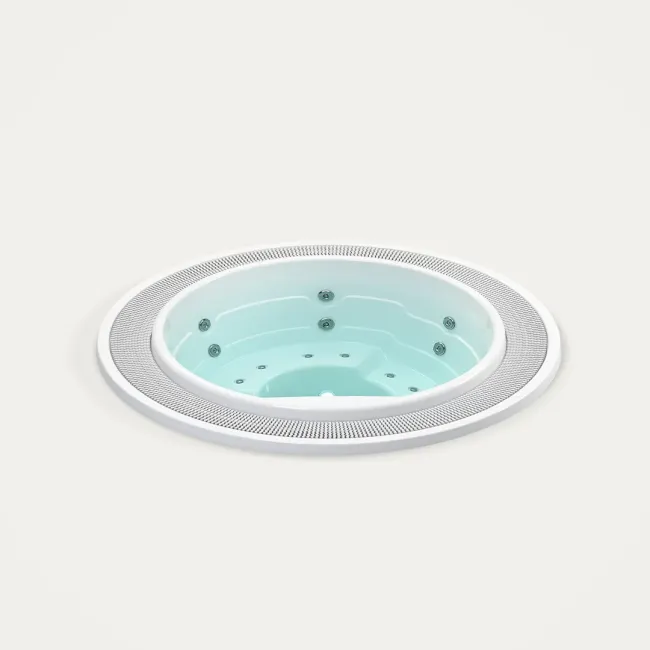
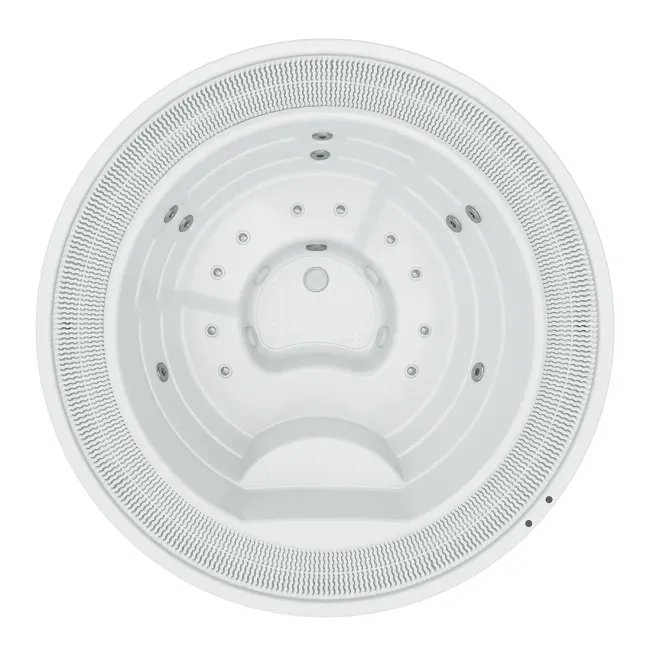
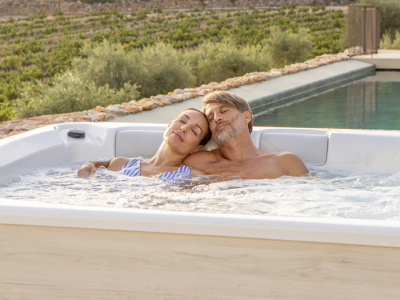
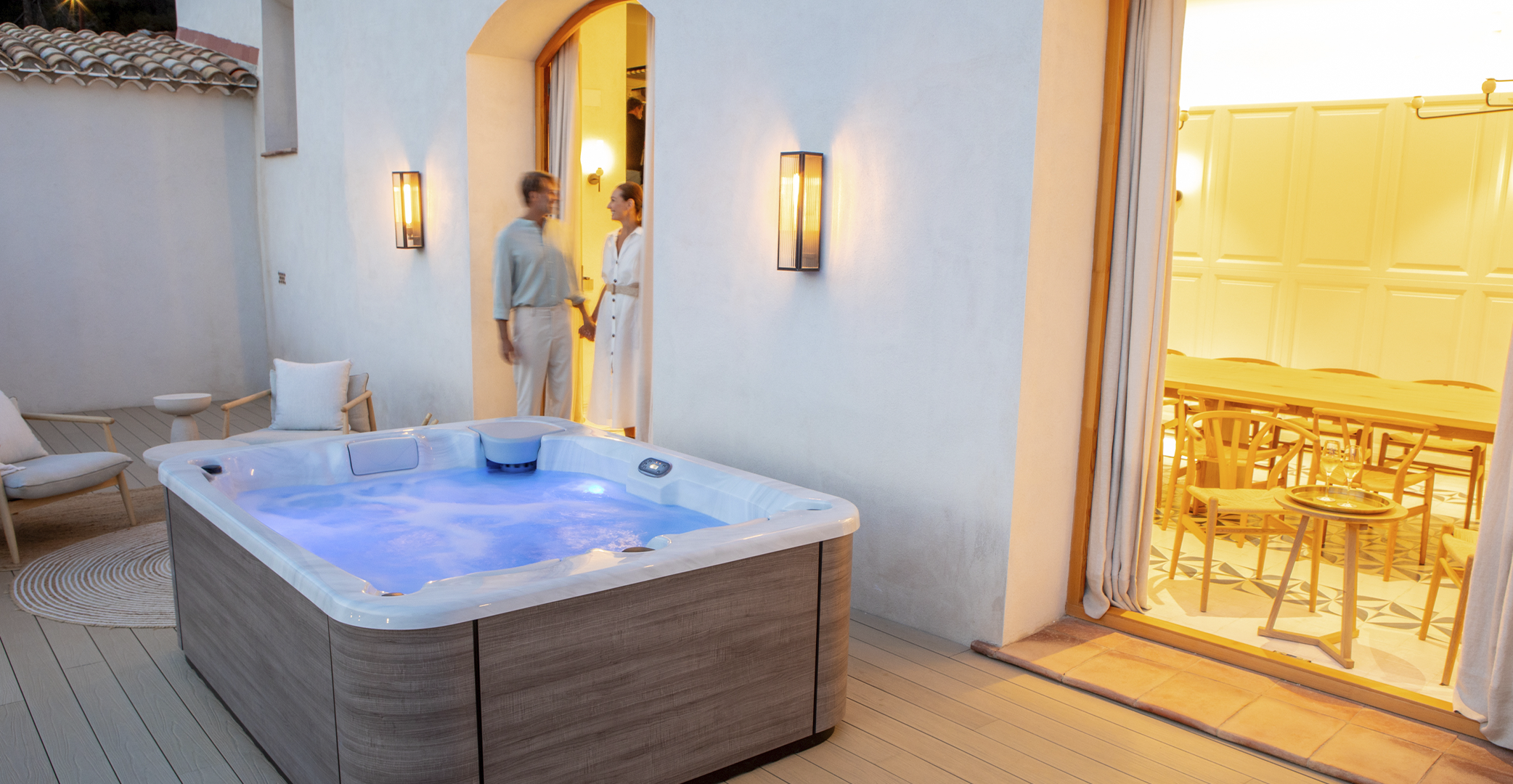
None of this necessarily requires a trip. Several of these ideas—recovery, silence, sensory stimulation, ritual—have a domestic version, built around water, both outdoors and in an indoor hot tub integrated into the home itself.
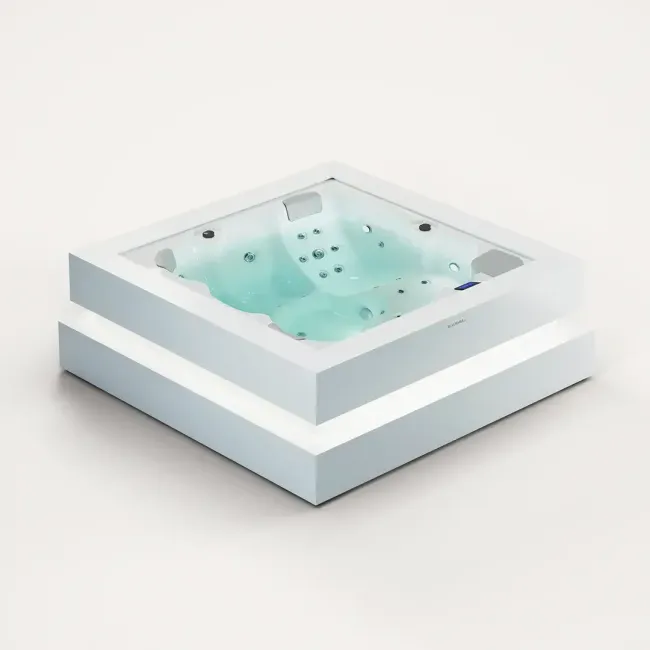
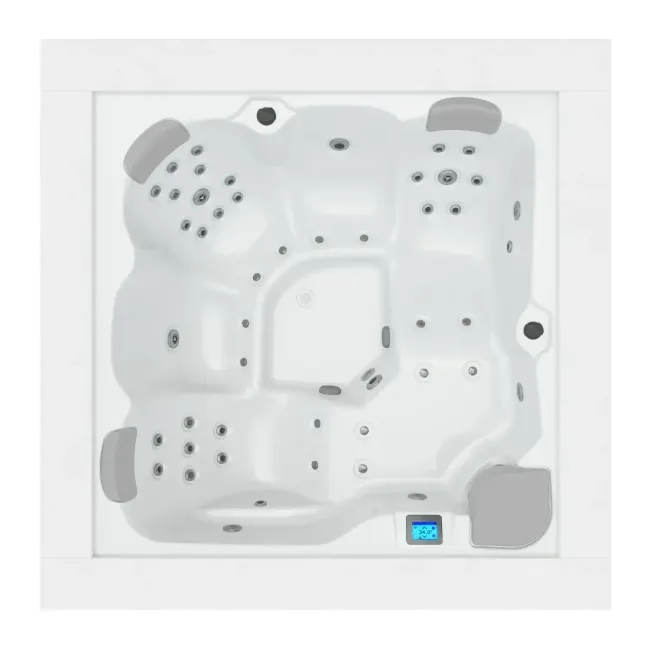
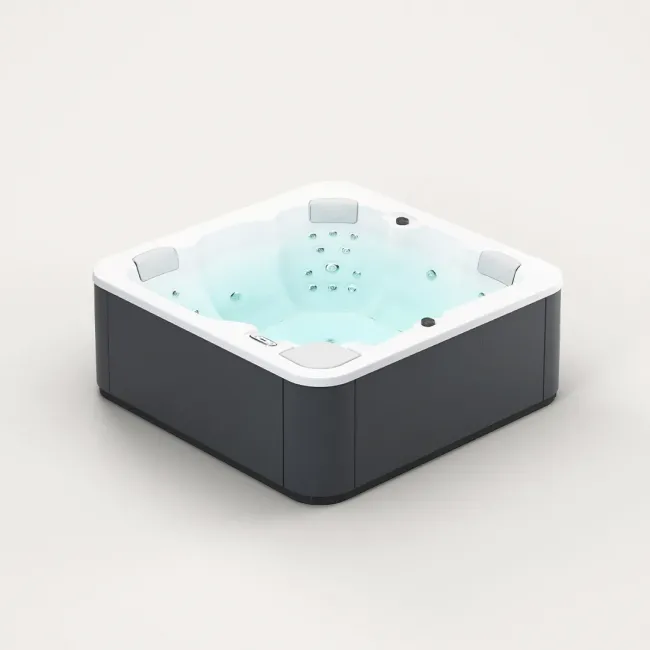
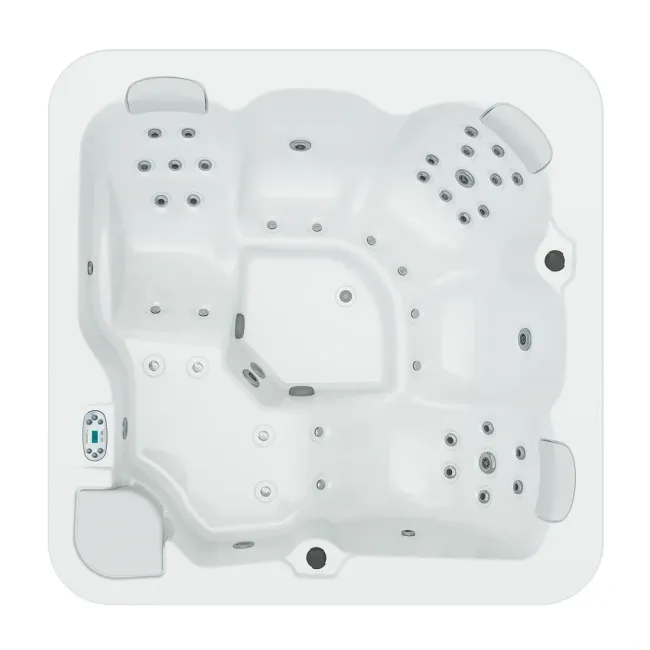
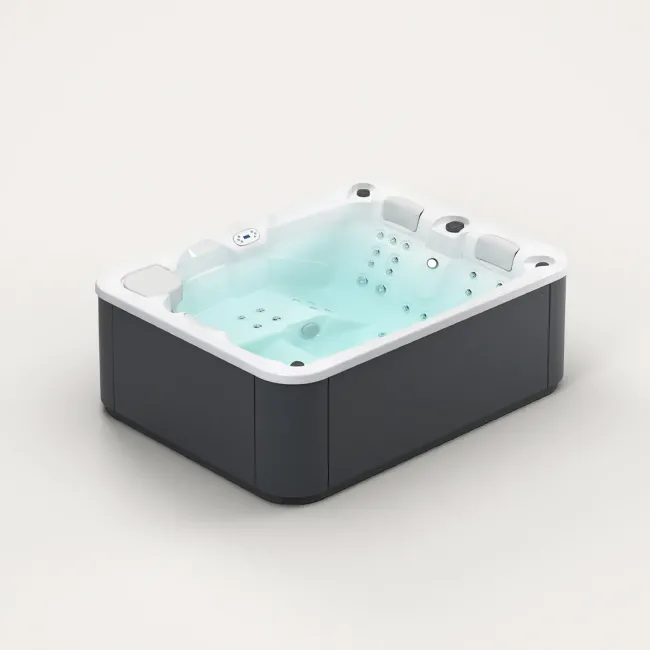
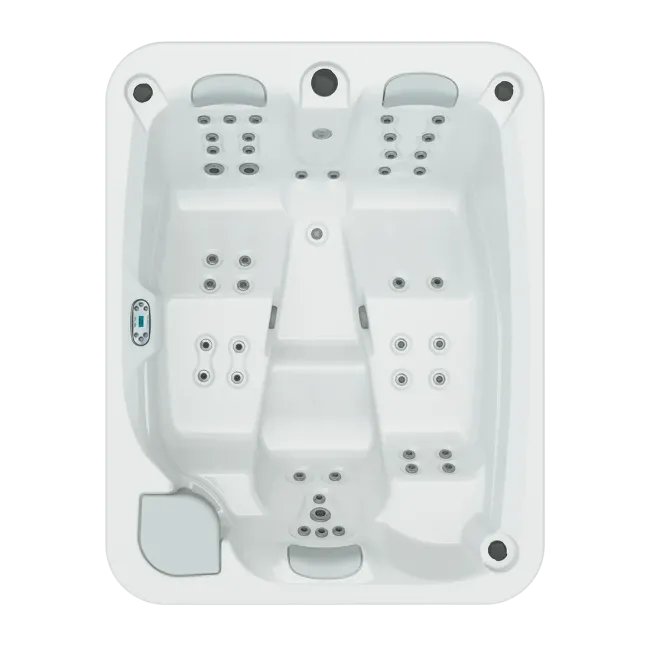
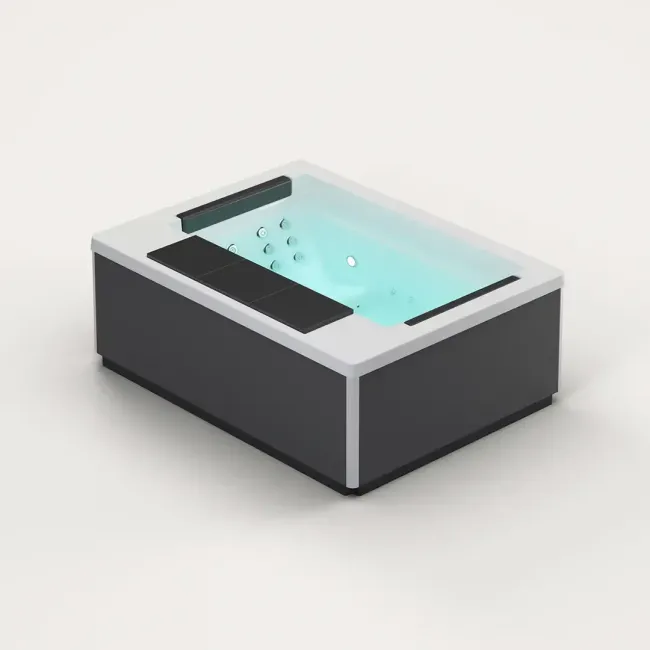
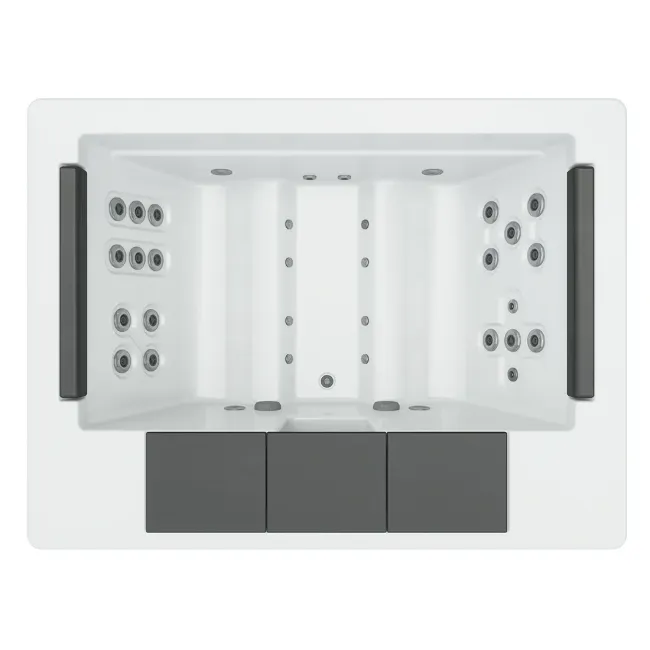
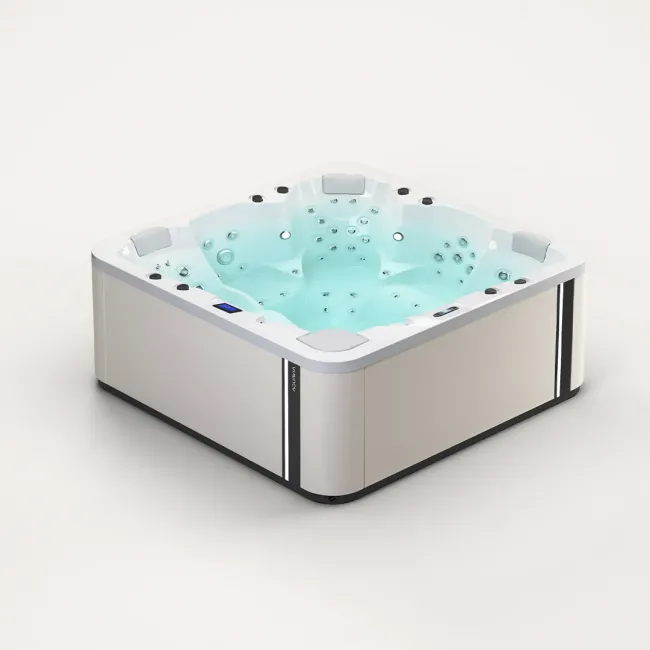
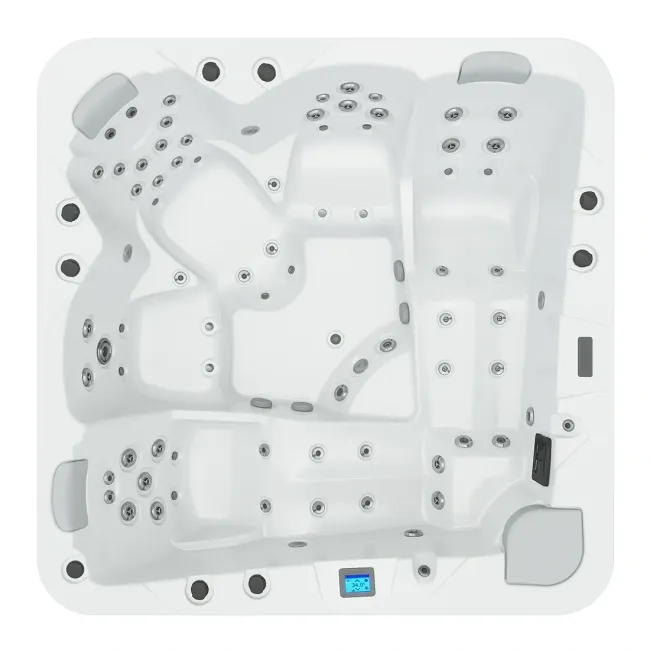
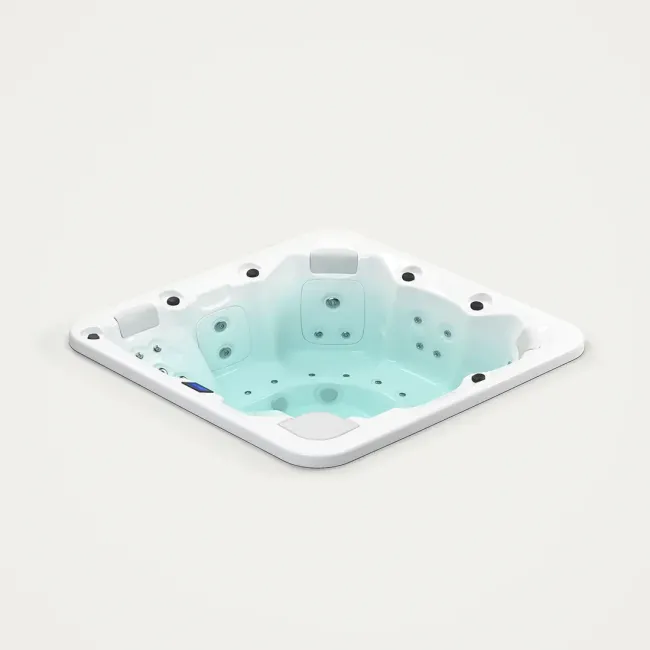
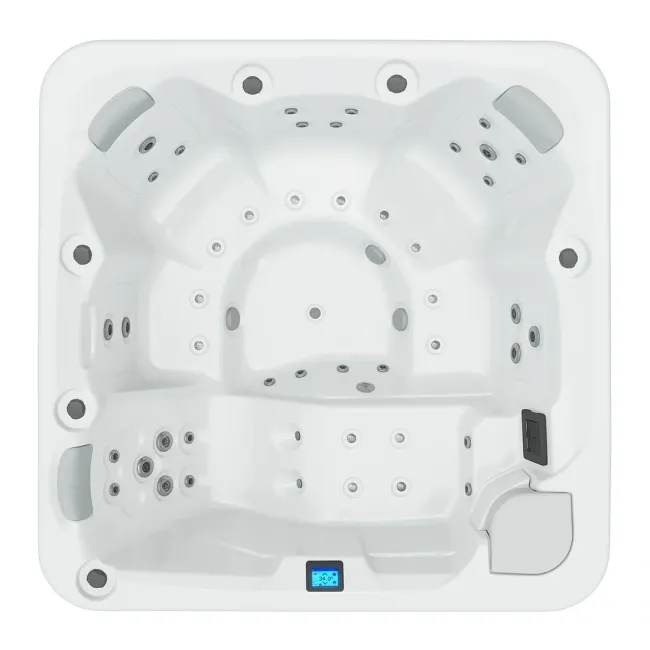
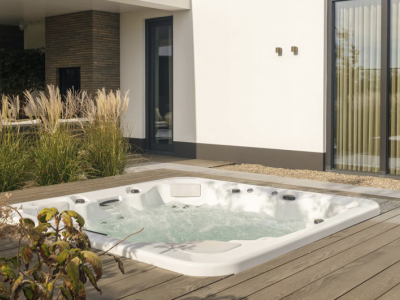
An example within the Aquavia Spa range is the Spa Home , designed precisely for everyday use in small spaces: two loungers with up to four hydromassage positions, 20 water jets and 8 air jets, and dimensions of 215 x 174 x 75 cm that allow it to be installed both in a home and in a hotel suite without losing the feeling of privacy.
This same model comes standard with several features that support the sensory ritual the trend speaks of: Colour Sense chromatic lighting to adjust the ambiance according to the time of day, a Silent Pump filtration system that prevents pump noise from interrupting the desired silence, and a Wifi Touch Panel control panel for easy session management. Those who prefer to add ambient sound can do so via a Bluetooth audio system integrated into other models in the range.
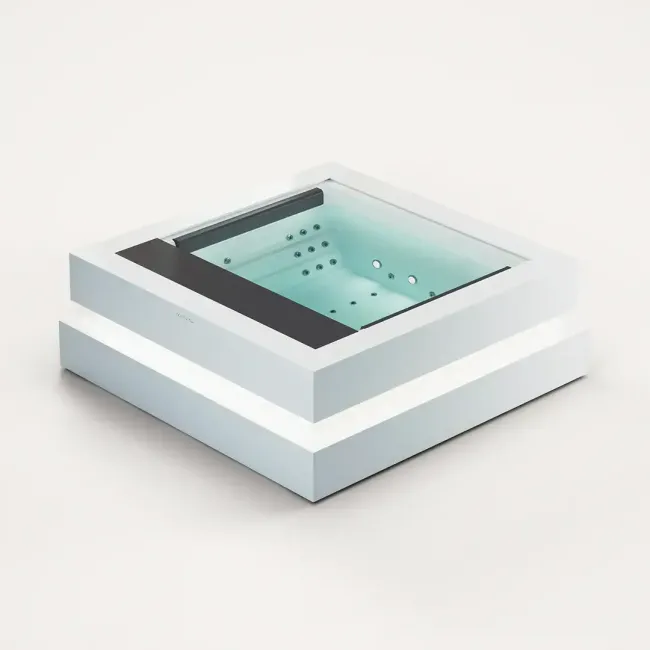
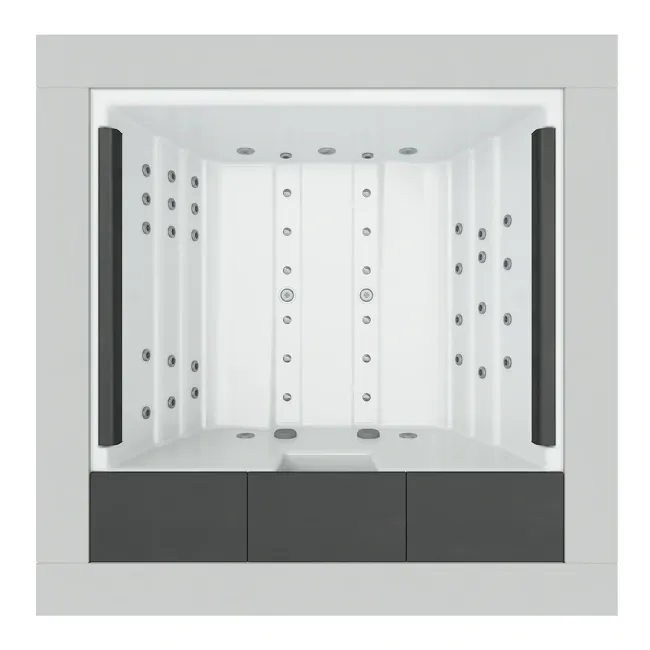
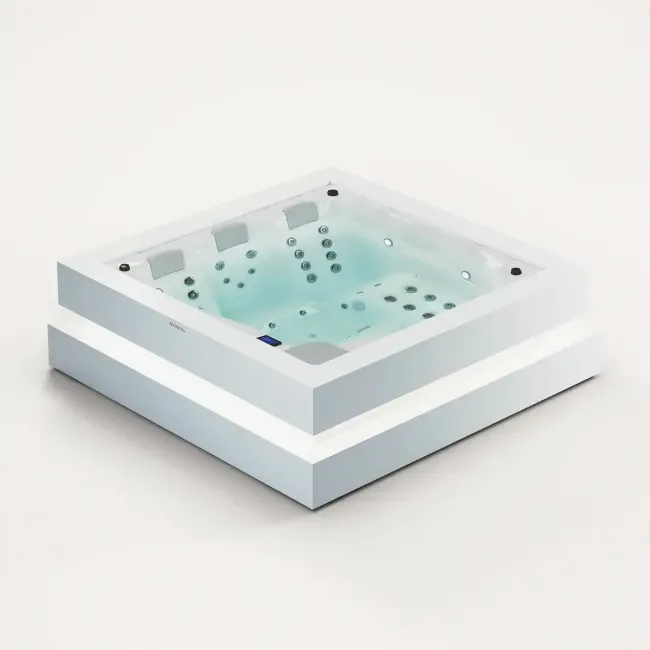
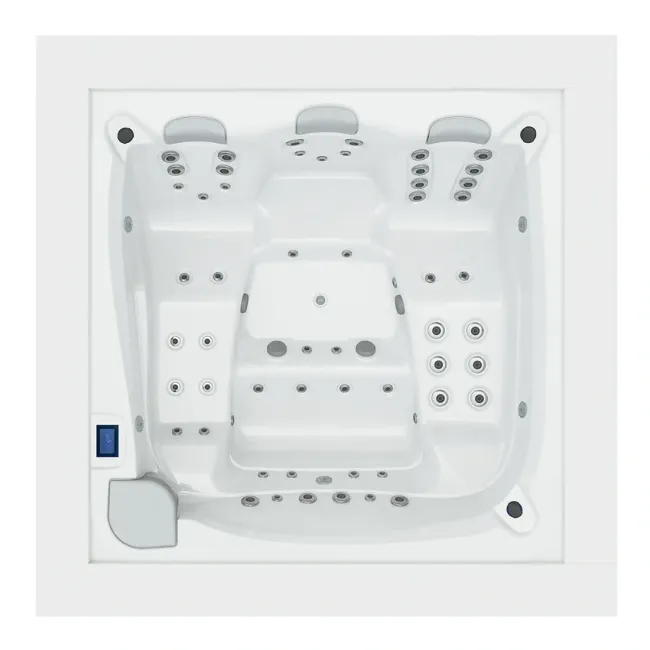
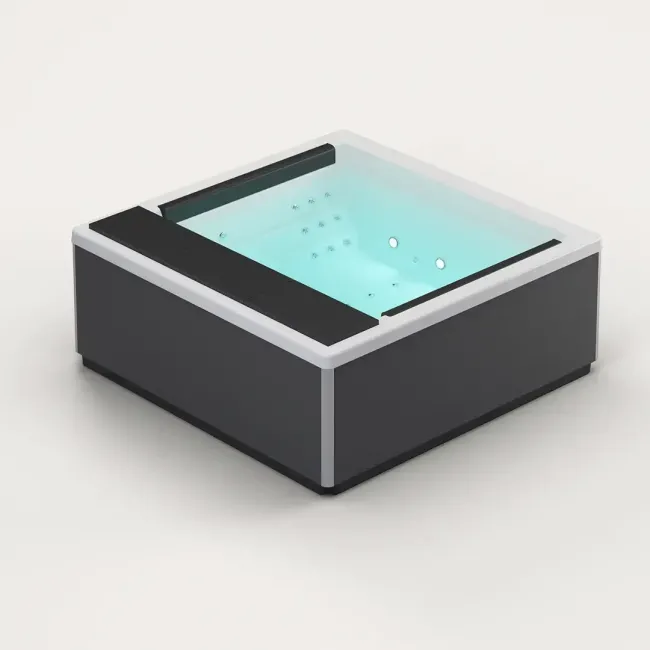
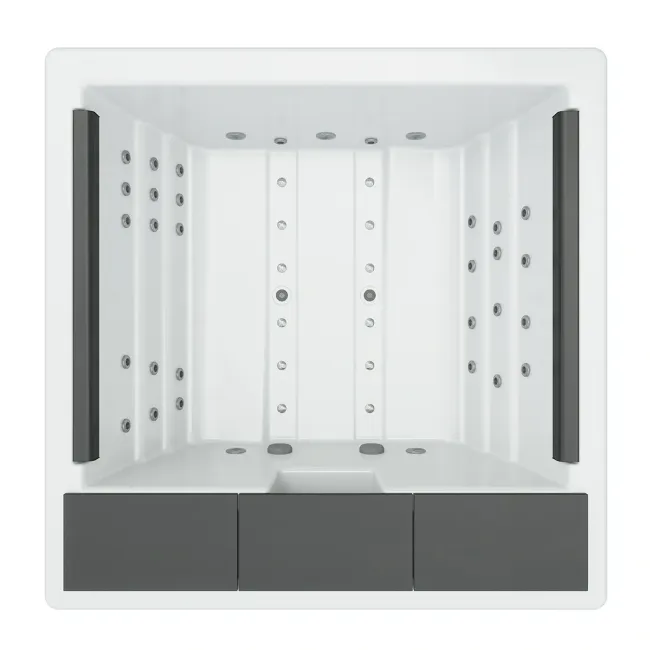
And where the international trend speaks of alternating heat and cold as part of recovery, the domestic version can be built by combining a cold and hot hydromassage session using a heat pump , as in the case of the Suite Spa 4 Seasons , designed for that same thermal contrast and to extend its use throughout the year.
Outdoor spa or indoor hot tub : what suits each ritual
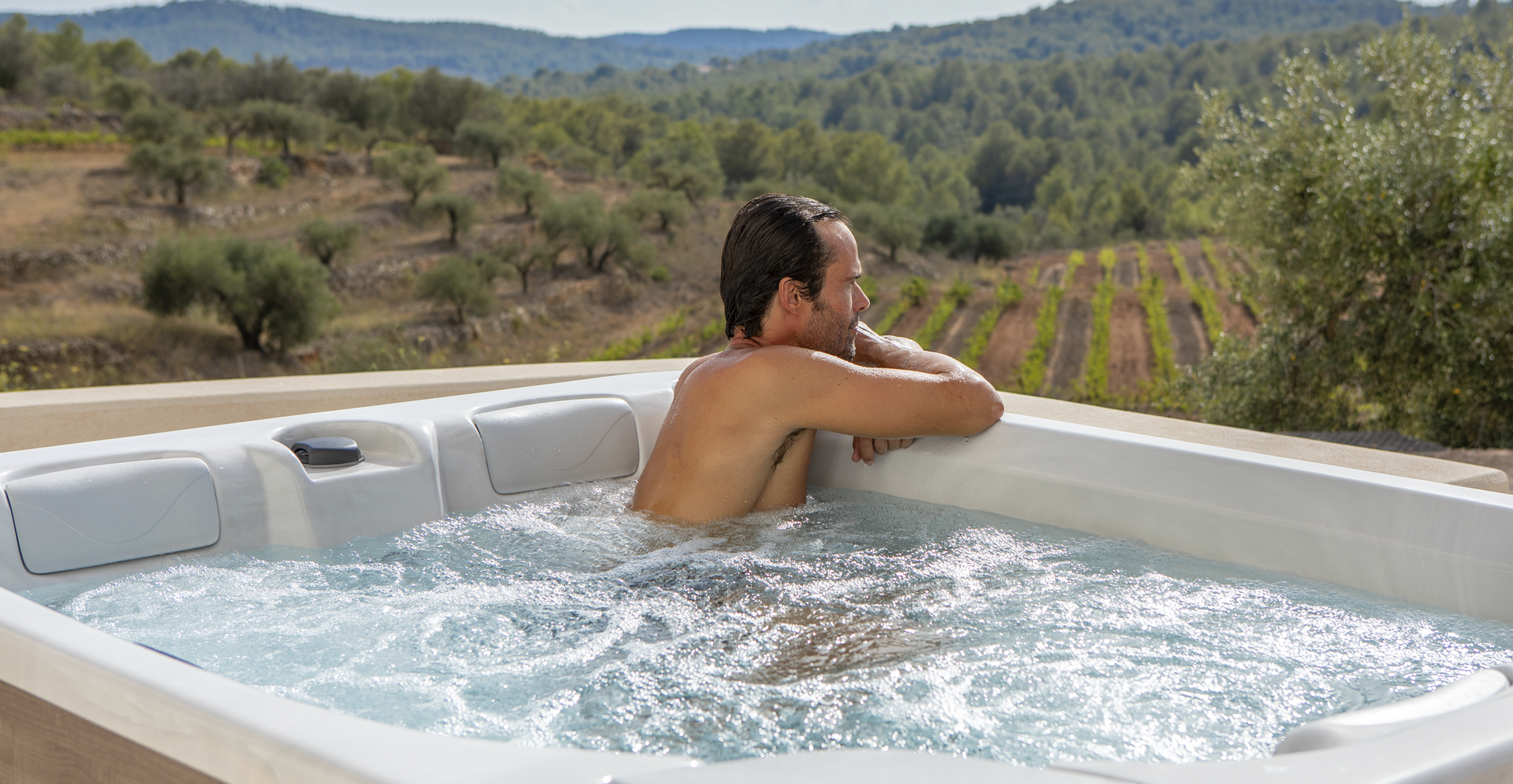
Not all wellness rituals require the same amount of space. An outdoor hot tub in the garden or on the terrace takes advantage of natural light and fresh air, while an indoor hot tub allows you to maintain the ritual year-round, regardless of the weather, seamlessly integrated as another room in the house. In both cases, the determining factor is not the size of the space but the consistency with which it is used: a small hot tub that is well integrated into daily life provides more benefits than a large one that is only used during vacations.
How to build your own wellness ritual
- Choose a fixed time of day for the ritual, not just on weekends.
- Leave the screens out before entering the water.
- Treat temperature, light, and sound as part of the ritual, not as an extra.
- Combine heat and cold if you're looking for a recovery effect, not just relaxation.
Frequently asked questions about wellness and home hot tub
Is well-being just a passing fad?
It's a new term, but it describes a fundamental shift that the Global Wellness Institute itself has been documenting in its annual report for several years: the focus of wellness is moving from the one-off (a treatment, a weekend) to something sustained over time. The vocabulary may change; the underlying logic—making self-care a regular habit—remains the same year after year.
Do I need a lot of space to have a hot tub at home?
Not necessarily. Compact models like the Spa Home are designed precisely for small spaces, and the range includes specific balcony hot tub options for those who don't have a garden or a large terrace.
How much time should be dedicated to it per week?
The "urban recovery travel" trend described by the GWI is based on short but frequent sessions of 20 to 30 minutes, rather than long, sporadic sessions. Applied to the home hot tub , this means that a habit of three or four short sessions per week usually provides more consistency than a single long session on the weekend.
Bringing wellness home
Enjoying moments of well-being without leaving home is an increasingly popular option for those seeking to improve their quality of life. Incorporating a home hot tub allows you to create a space dedicated to relaxation, disconnection, and comfort, tailored to each person's needs and preferences.
At Aquavia Spa , we design and manufacture hot tubs that combine hydrotherapy technology, ergonomics, energy efficiency, and contemporary design. Whether you're looking for a compact hot tub to enjoy as a couple or a larger model to share moments with the family, you'll find options to suit your lifestyle.
Transform your home into your own personal wellness retreat. Discover our hot tub models and find the perfect solution for your needs.
You can also contact our team for personalized advice and to resolve any doubts about your project.