es
es fr
fr de
de nl
nl en
en it
it pt
pt ro
ro sv
sv ru
ru hr
hr da
da si
si pl
pl no
no cs
cs fi
fi el
el sr
srCryotherapy at home: how the Cold Plunge transforms your mental and physical health
Immersing yourself in cold water is no longer a practice reserved for elite athletes or specialized centers. Today, cryotherapy has become an accessible resource for those seeking to improve their well-being from home, with short, measurable routines that are easy to integrate into daily life. The key is understanding what happens in your body when you apply cold in a controlled manner, what benefits you can expect (without miraculous promises), and how to do it safely.
In this guide, you'll discover how cryotherapy works at home, what science says about the impact of cold, why it can help you feel more energized and focused, and how it relates to rest and emotional balance. We'll also explore why cold water immersion has become so popular and how a technologically advanced ice bath can provide a consistent, hygienic, and hassle-free experience.
Important note: If you have cardiovascular problems, uncontrolled hypertension, are pregnant, have epilepsy, or have other relevant medical conditions, consult a professional before starting.
What is cryotherapy and how does it work at home?
Cryotherapy is the use of cold for wellness or recovery purposes. At home, it can be applied in various ways: cold showers or immersion in cold water. When we talk about cold therapy, we are referring to a planned and progressive exposure that aims to elicit beneficial physiological responses without putting the body under excessive stress.
The most well-known method is immersion bathing: you enter cold water for a short time (for example, 1 to 5 minutes initially, depending on your experience and tolerance). The goal is to achieve a controlled stimulus: steady breathing, a present mind, and enough time to activate adaptive responses.
In that context, ice therapy becomes a habit: weekly (or even daily) repetition, adjusted intensity, and recording of sensations.
The science behind the impact of cold on the body
Cold triggers an immediate reaction: vasoconstriction (blood vessels narrow), a decrease in skin temperature, and the activation of mechanisms to conserve heat. Upon exiting the water, the opposite effect occurs: vasodilation and an increase in peripheral blood flow, which many people perceive as a feeling of "renewal."
At the level of the nervous system, acute cold is an intense stimulus that forces us to regulate our breathing and manage the urge to go outside. Herein lies an interesting point: it's not just physical; it's also training for the stress response.
Furthermore, the body can adapt with practice: tolerance improves, the respiratory response stabilizes, and the initial shock is reduced. That's why it's advisable to start gently, with short exposures, and progress gradually.
Physical benefits of cryotherapy at home
The list of benefits of an ice bath often includes sensations and effects that many people regularly report:
- Perceived muscle recovery: After intense exercise, cold can help reduce the feeling of fatigue and heaviness, especially in the legs.
- Feeling of lightness and less inflammation: due to the initial vasoconstriction and subsequent redistribution of blood flow.
- Energy and activation: many people notice a physical “reset”, as if the body were turning on.
- Better relationship with your body: by repeating the exposure, you learn to identify tension, breathe better and adjust your posture.
The power of cold on mental health
This is where at-home cryotherapy surprises most people. A cold bath can feel like mental training: you're in an uncomfortable but safe environment, and you have to regulate your response.
When your breathing quickens due to the initial shock of the cold, practicing a slow, controlled exhalation can help you transition from "alarm" to "active calm." This skill carries over from the water to difficult meetings, daily stress, and moments of anxiety.
In addition, many people describe a mental clarity effect after immersion: greater focus, less rumination, and a sense of accomplishment. That small daily milestone can be a very powerful emotional anchor.
Cryotherapy and rest: better sleep and emotional balance
Cold and sleep have an interesting relationship. The body needs to lower its internal temperature to initiate rest, and that's why a lukewarm shower or exposure to cold at appropriate times can help some people feel more relaxed at night.
Even so, there are nuances:
- If you do a very cold dive right before going to sleep, you may become over-activated (adrenaline/alert).
- Many people find it works best in the morning or mid-afternoon.
- If your goal is rest, try less intense exposures or a short cold shower and observe your response.
In emotional terms, cryotherapy can provide stability in two ways: stress regulation (breathing and self-control) and improved habits (consistent routine, sense of progress). Better sleep doesn't always depend on just one thing, but adding a practice that reduces tension and improves self-awareness can make a difference.
Cold Plunge: Technology for a hassle-free experience
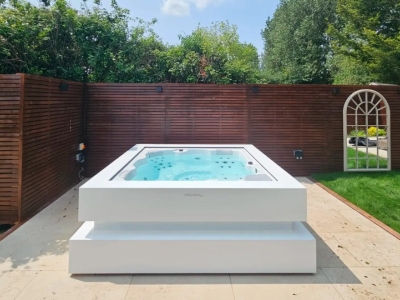
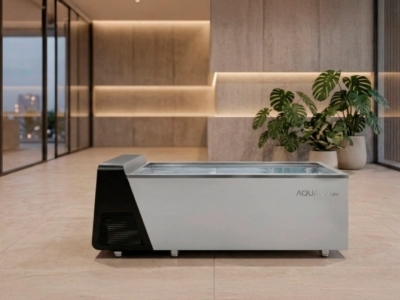
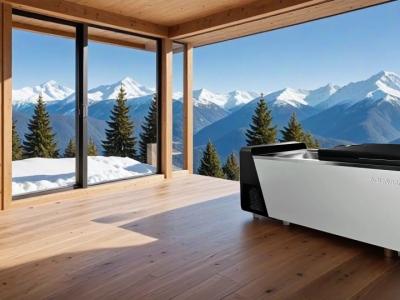
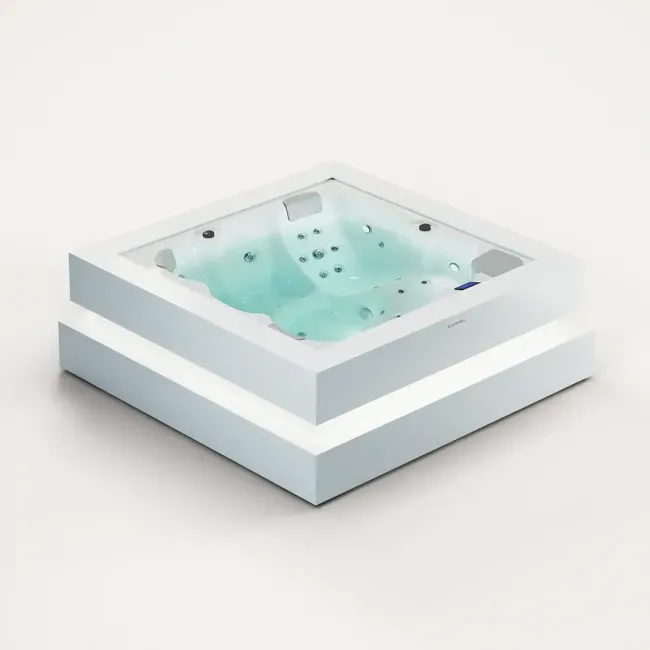
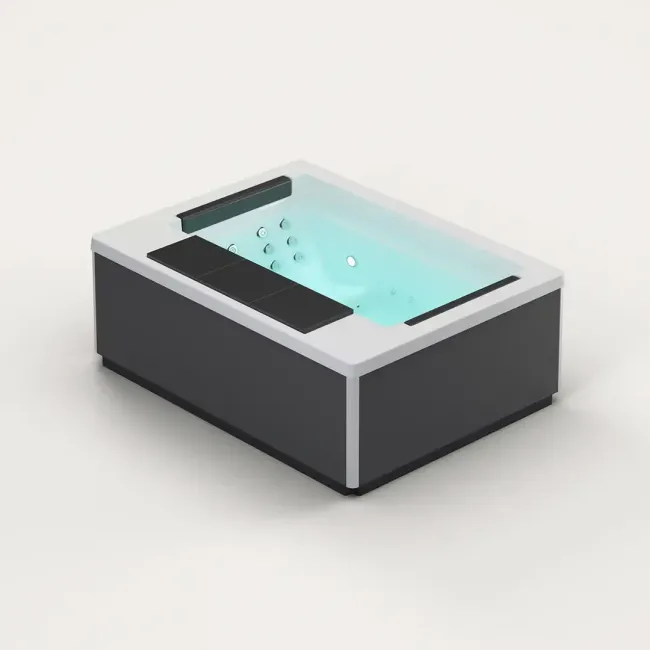
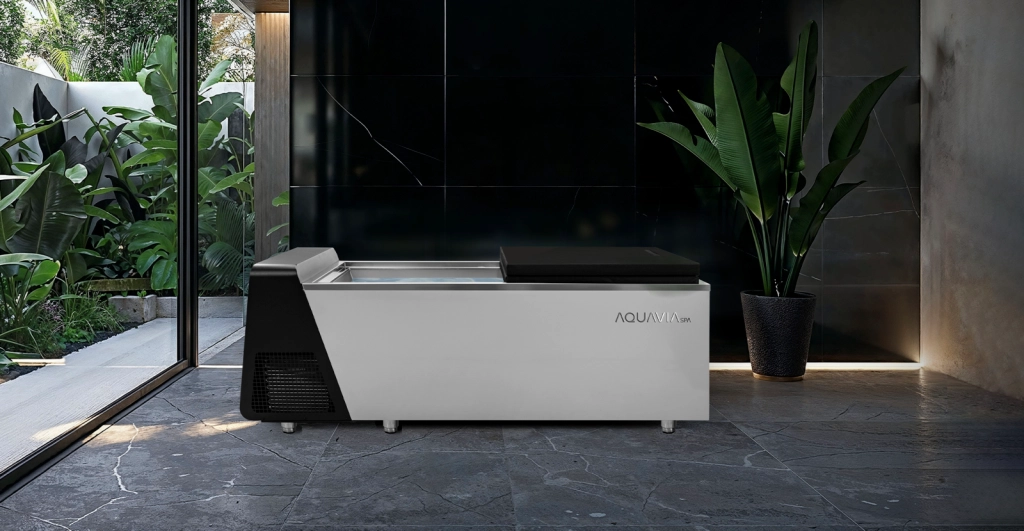
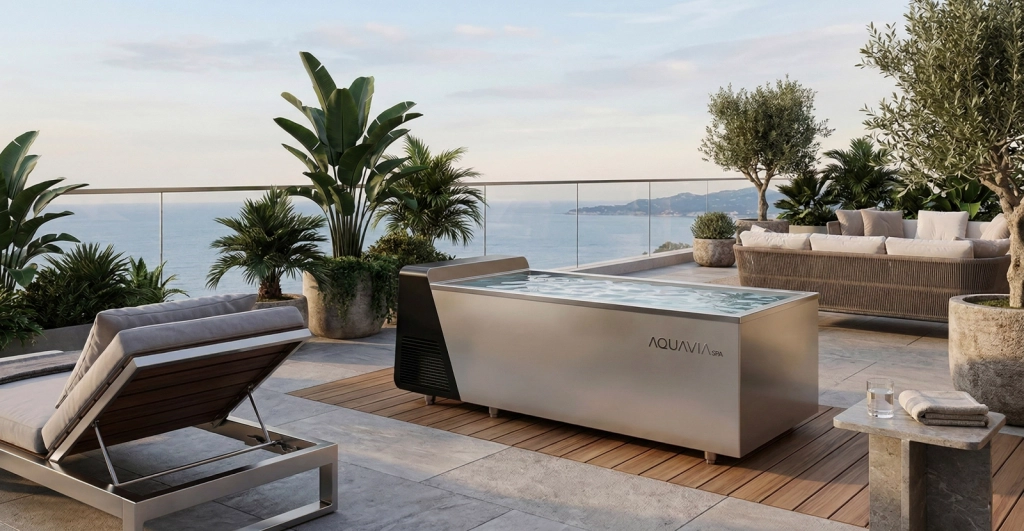
Using cryotherapy at home doesn't have to mean filling a bathtub with ice every time, or depending on the ambient temperature. This is where the Aquavia Spa Cold Plunge becomes the ideal option for those who want to incorporate cryotherapy in a consistent, controlled, and comfortable way.
The Cold Plunge is an advanced solution that allows you to enjoy a cold water immersion safely and without complications, providing the following benefits:
Stable temperature: With the Cold Plunge , you don't have to worry about the water temperature, as it is designed to maintain a constant range, ensuring an effective and comfortable experience in every session.
Hygiene and filtration: Thanks to its filtration system, the water stays clean with less effort, allowing you to enjoy cryotherapy without worrying about constant maintenance.
Comfort and safety: The Cold Plunge 's design includes a non-slip surface and thermal covers to efficiently maintain water temperature and reduce energy consumption. All of this ensures a comfortable and safe experience at all times.
Efficient use: Thanks to its plug & play design and intuitive touchscreen, it allows you to start your cryotherapy sessions with a single touch, without the need to manually add ice or logistical complications.
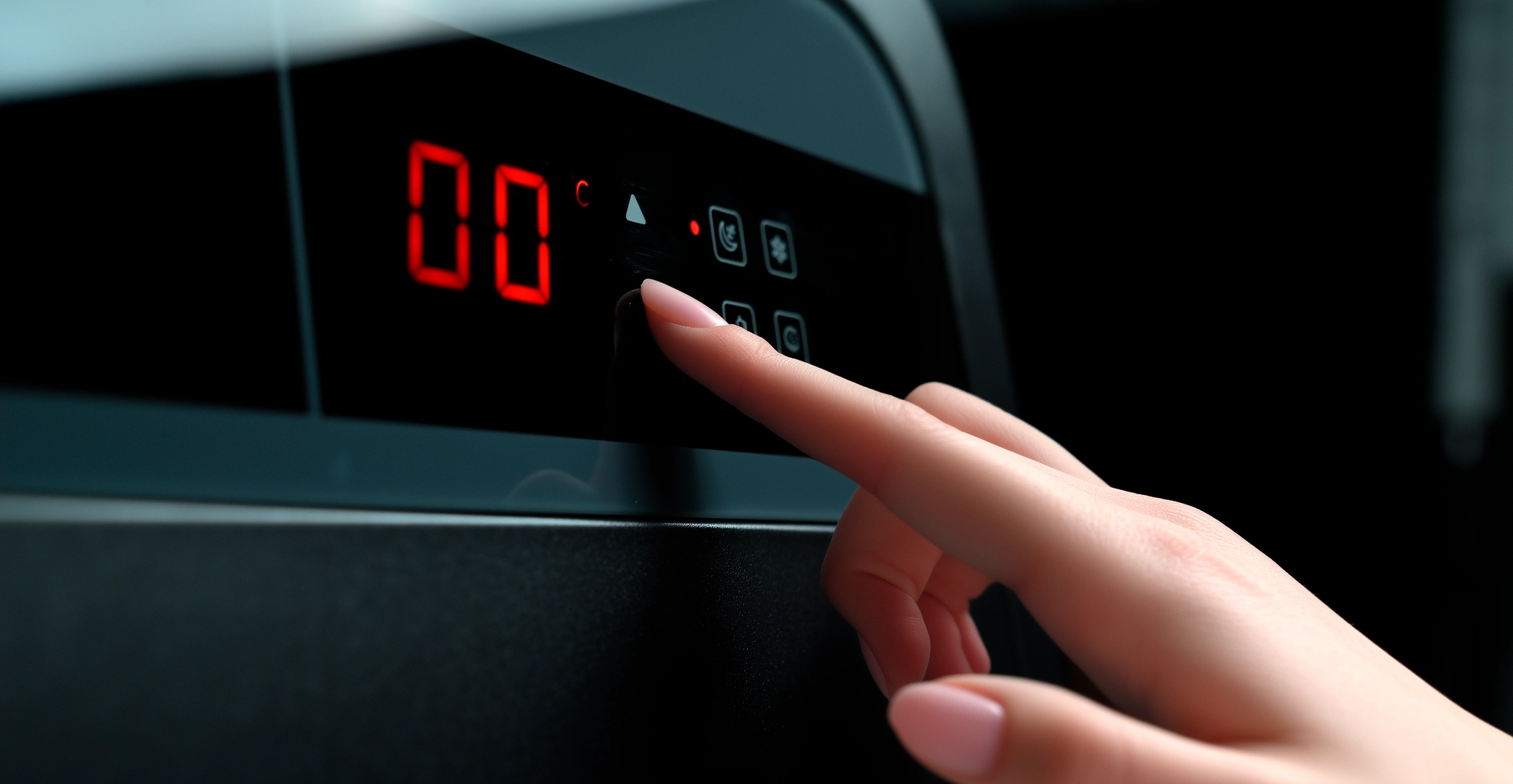
Aquavia Spa 's Cold Plunge technology allows cryotherapy to become a hassle-free daily habit, giving you a controlled, accessible experience that's perfect for your routine.
Cryotherapy as a daily wellness habit
If you want cryotherapy to provide lasting results, approach it as a routine, not an extreme challenge. A practical approach:
Define the goal: morning energy, recovery after exercise, mental focus, or stress reduction.
Choose a realistic frequency: 3 times a week is usually a good starting point.
Keep sessions short: better to do 2 minutes consistently than 8 minutes once a month.
Breathe before entering: 3–5 slow breaths; upon entering, exhale deeply.
Record sensations: temperature, time, how you slept, how you felt afterwards.
And remember: not everyone needs the same level of cold. The best cold therapy is the one you can tolerate, the one that makes you feel better, and the one that doesn't compromise your health.
Request more information about cryotherapy with Cold Plunge