es
es fr
fr de
de nl
nl en
en it
it pt
pt ro
ro sv
sv ru
ru hr
hr da
da si
si pl
pl no
no cs
cs fi
fi el
el sr
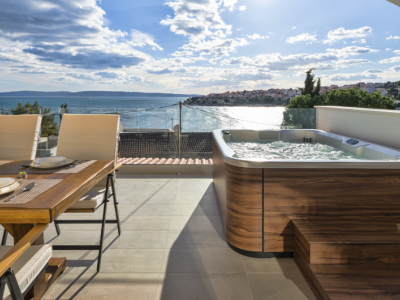
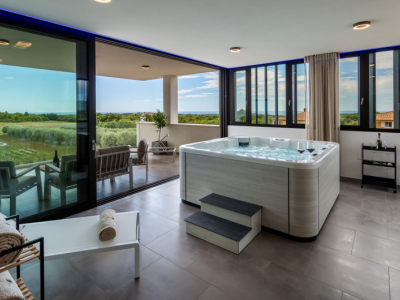
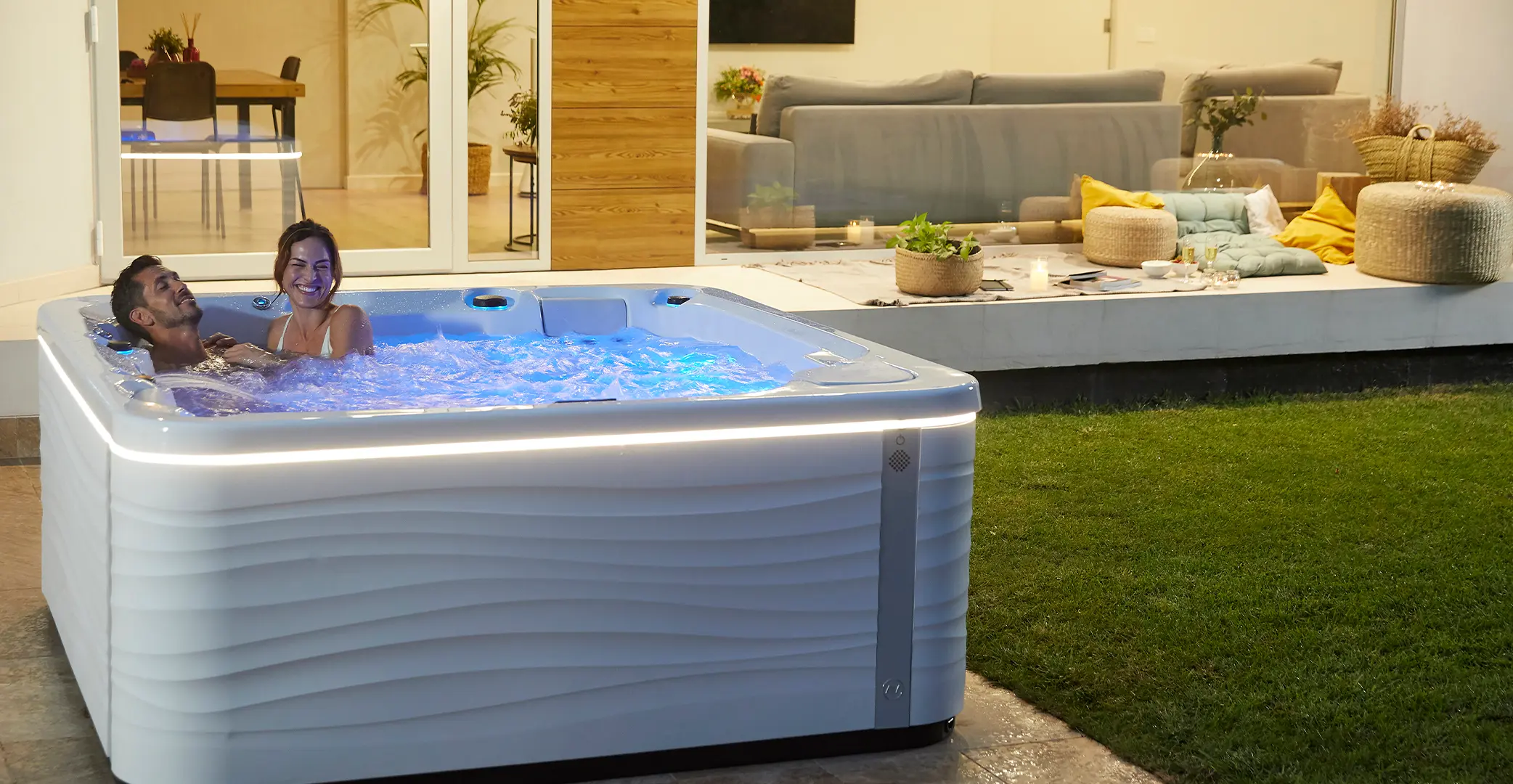
srEnjoying an outdoor hot tub is an investment in wellbeing, design and quality of life. However, when a spa is installed in a garden, on a terrace or in any outdoor area, it is also important to consider how energy efficient it is. The energy efficiency of an outdoor hot tub does not depend only on the model you choose, but also on how it is installed, how it is used and which accessories are added to keep the water at temperature for longer.
Energy calculator · How much electricity does a hot tub use? Calculate my usage →
An energy-efficient outdoor hot tub lets you enjoy hydrotherapy all year round with greater comfort, less environmental impact and a more sensible use of energy. At Aquavia Spa, efficiency is built into the product design, with insulation solutions, thermal covers and technologies aimed at reducing consumption without compromising the wellness experience.
Why is it important to improve the energy efficiency of an outdoor hot tub?
Improving hot tub energy efficiency is key because an outdoor hot tub is exposed to temperature changes, wind, rain, humidity and weather variations that can cause heat loss. The greater the difference between the water temperature and the outside temperature, the harder the heating system has to work to keep the water in optimum condition.
The electricity consumption of an outdoor hot tub can vary depending on the size of the spa, how often it is used, the temperature setting, the quality of the insulation, the cover and how well the water is maintained. That is why choosing a well-designed model and following good usage habits helps you save energy from day one.
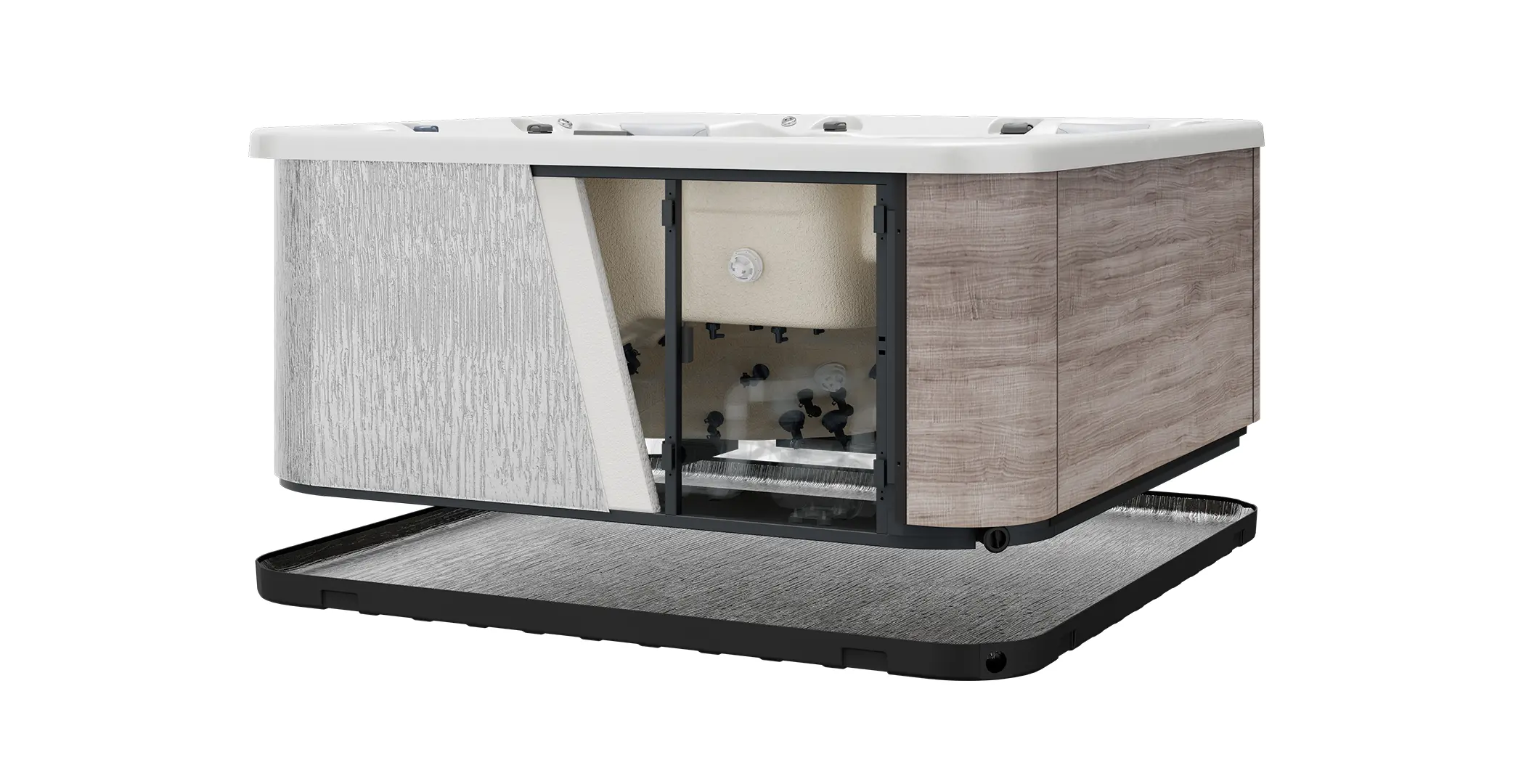
At Aquavia Spa, features such as EcoSpa help keep the water at temperature efficiently and reduce energy consumption thanks to an advanced thermal insulation system for spas and swim spas.
Step 1: Fit a high-quality thermal cover
The thermal hot tub cover is one of the most important elements for retaining water temperature when the hot tub is not in use. Without a suitable cover, the water loses heat constantly, especially at night or in cold weather.
A good-quality cover reduces heat loss, limits evaporation and helps keep the water cleaner for longer.
Aquavia Spa offers two standout options. The Prime Tex Cover is a lightweight, durable textile cover with a premium look, designed to protect the spa from dirt and the elements while making everyday use easy.
The Energy Saving Cover, made from high-quality vinyl, is designed to maximise energy savings in professional spas. It helps reduce heat loss, limits evaporation and can achieve energy savings of up to 67%.
Both solutions help you save energy with your outdoor hot tub and keep it energy efficient all year round. A good cover also keeps out leaves, dust and other debris, which reduces the need for extra water treatments and makes maintenance more efficient.
Step 2: Keep the temperature stable and efficient
The ideal temperature for an outdoor hot tub will depend on the time of year and personal preference, but it is best to avoid sudden rises and drops. Switching the system off completely and then reheating the whole volume of water can take more energy than keeping a steady, controlled temperature.
For frequent use, it is a good idea to keep the water within a comfortable range and lower the temperature slightly when the spa will not be used for several days. This smart approach helps you reduce your hot tub's energy use without spoiling the bathing experience.
It is also worth scheduling your hot tub use for specific times of day. If you usually use the spa in the afternoon or evening, keeping a consistent schedule helps optimise the performance of the equipment.
Step 3: Improve the insulation of your outdoor spa
Hot tub thermal insulation is crucial for retaining the heat of the water and reducing the workload on the heating system. A poorly insulated outdoor spa will lose temperature, increasing its electricity consumption.
Aquavia Spa offers solutions such as EcoSpa, which features advanced thermal insulation to preserve the water temperature even in extreme temperatures of -15ºC.
Another standout feature is the Nordic Insulation System, which covers the side surface of the spa in addition to the standard base insulation, creating an air chamber that prevents heat loss and maximises energy efficiency. According to Aquavia Spa's quality tests, this system guarantees energy savings of 80% compared with a spa without this insulation when keeping the water at 38 ºC with an outside temperature of -15 ºC.
Step 4: Optimise filtration and cleaning cycles
Efficient filtration keeps the water in good condition and prevents the system from working harder than necessary. The aim is not to filter for more hours without reason, but to adjust the cycles to how often the spa is used, the number of bathers and the surrounding conditions.
Water quality has a direct impact on spa efficiency. Balanced, clean and properly treated water reduces the build-up of residues, protects the components and avoids putting extra strain on pumps, filters and disinfection systems. General water quality recommendations stress the importance of monitoring cleanliness, filtration and regular maintenance to keep bathing safe and stable.
Step 5: Protect your hot tub from the weather and extreme temperatures
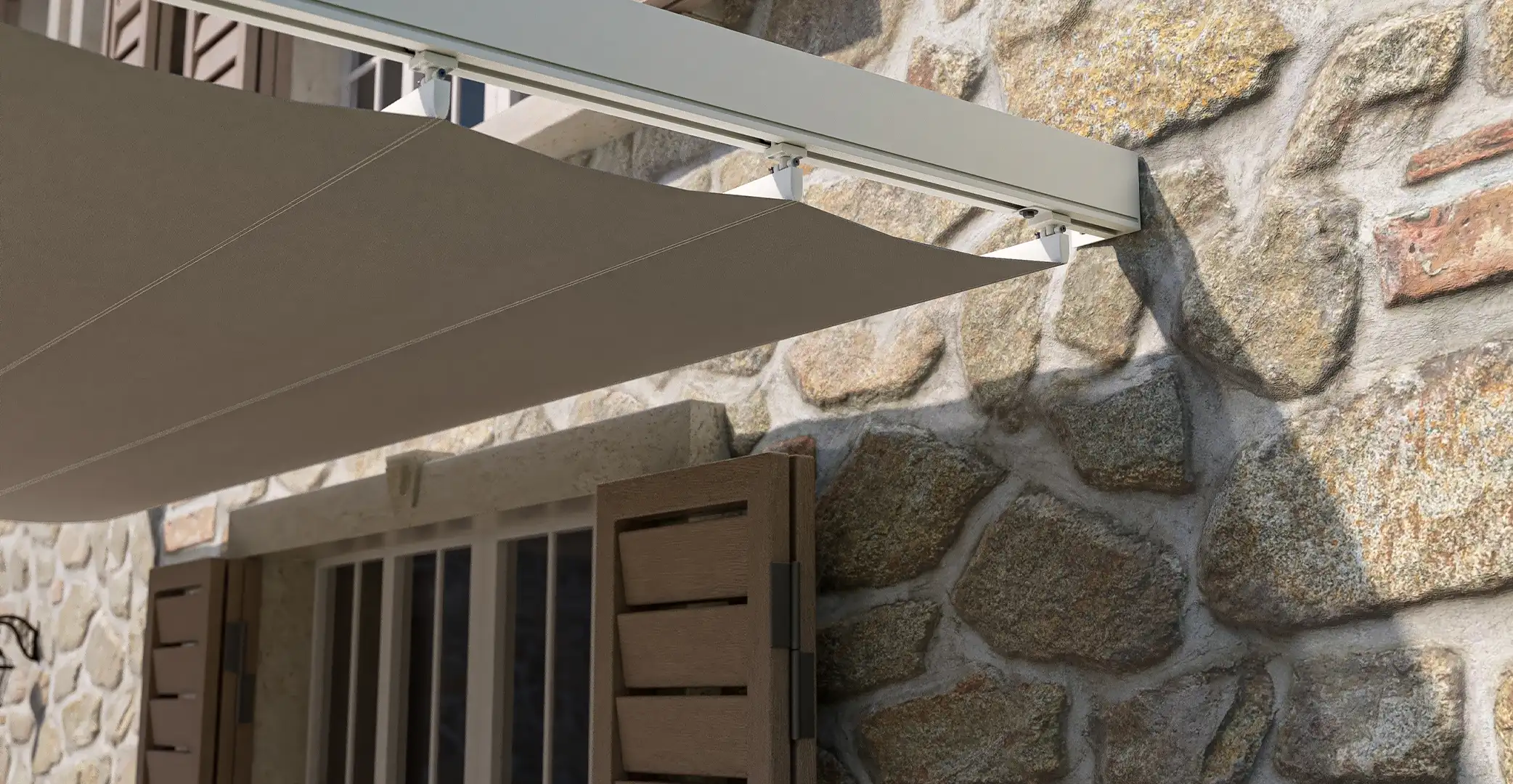
Where you place the spa also has a direct impact on efficiency. Installing the hot tub in an area sheltered from the wind, under a pergola, on a protected terrace or close to a wall or enclosure can reduce heat loss and make it more comfortable to use.
With this in mind, the Venice Pergola from Aquavia Spa is a particularly interesting solution for outdoor installations. Its design creates a more sheltered, comfortable space around the spa, helping to reduce direct exposure to sun, rain and wind.
In cold climates, wind speeds up heat loss when the spa is open. In hot climates, direct sunlight can affect the exterior materials and the water temperature. Planning the surroundings properly therefore helps you save energy with your outdoor hot tub and extend the life of the equipment.
Step 6: Carry out regular maintenance to avoid excess consumption
A well-maintained hot tub uses less energy, works better and offers a more consistent experience. Checking the filters, cleaning the cover, monitoring the water balance and checking the condition of the components all help prevent a loss of performance.
Preventive maintenance is especially important for outdoor spas, as they are more exposed to temperature changes and variable weather conditions. A clogged filter, a worn cover or poorly balanced water can make the system work harder than it needs to.
Aquavia Spa supports this with customer service, technical support, spare parts, warranties and spa maintenance advice. The brand also offers warranties of 15 years on the structure, 10 years on the acrylic and 2 years on components, with 3 years on components in Spain.
How much can you save by improving your spa's energy efficiency?
The savings depend on the model, the climate, how it is used and the accessories fitted. There is no single figure that applies to every home, but one thing is clear: good insulation, a high-quality thermal cover and efficient temperature management can significantly reduce consumption.
Investing in efficiency does more than lower your electricity bill. It also improves sustainability, protects the components, reduces wear on the equipment and gives the end user greater peace of mind.
Enjoy a more efficient and sustainable outdoor hot tub
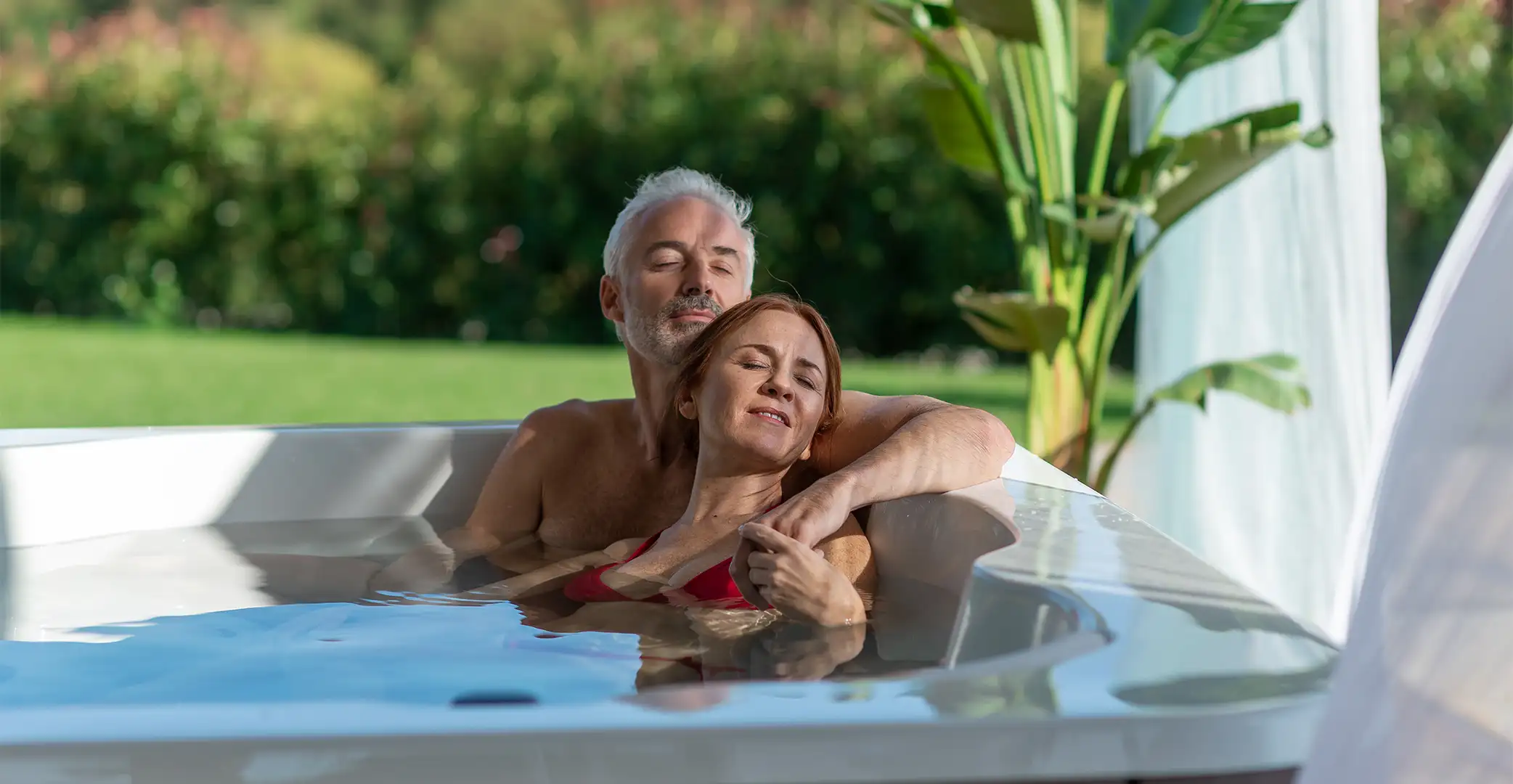
Improving the energy efficiency of an outdoor hot tub is a smart decision that lets you enjoy outdoor wellbeing more responsibly. Aquavia Spa combines European manufacturing, design, technology and energy-efficiency solutions to offer spas built to last.
Discover Aquavia Spa's outdoor hot tubs designed to maximise energy efficiency and reduce electricity consumption. Request personalised information.